Electrical & Power · Category
Solar panels
Rigid, flexible and portable panels, with the controller sizing and daily yield worked out for each.
Buy watts for your daily energy need, then check voltage against your controller. Open-circuit voltage decides how many panels you can wire in series; current decides the controller size.
What decides the right choice
Rated power
Plan on roughly 3 Wh per rated watt per day on a good day at sea; shading and heat cut that sharply.
Voltage
Open-circuit voltage times panels in series must stay under the controller's PV limit, with margin for cold mornings.
Mounting
Rigid panels last longest; flexible panels fit curved decks and biminis but run hotter and age faster.
Shading
A single shadowed cell can drag down a whole string. Wire shaded locations in parallel.
51 products
Every solar panels we cover
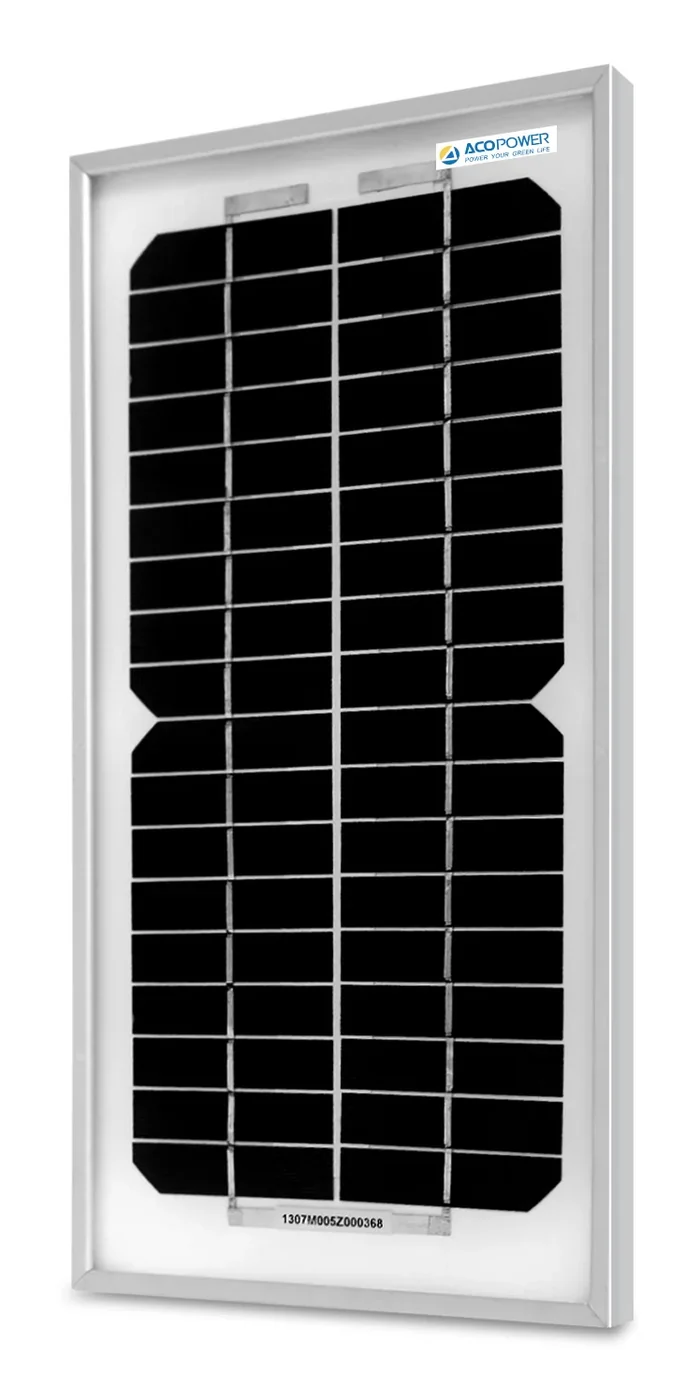
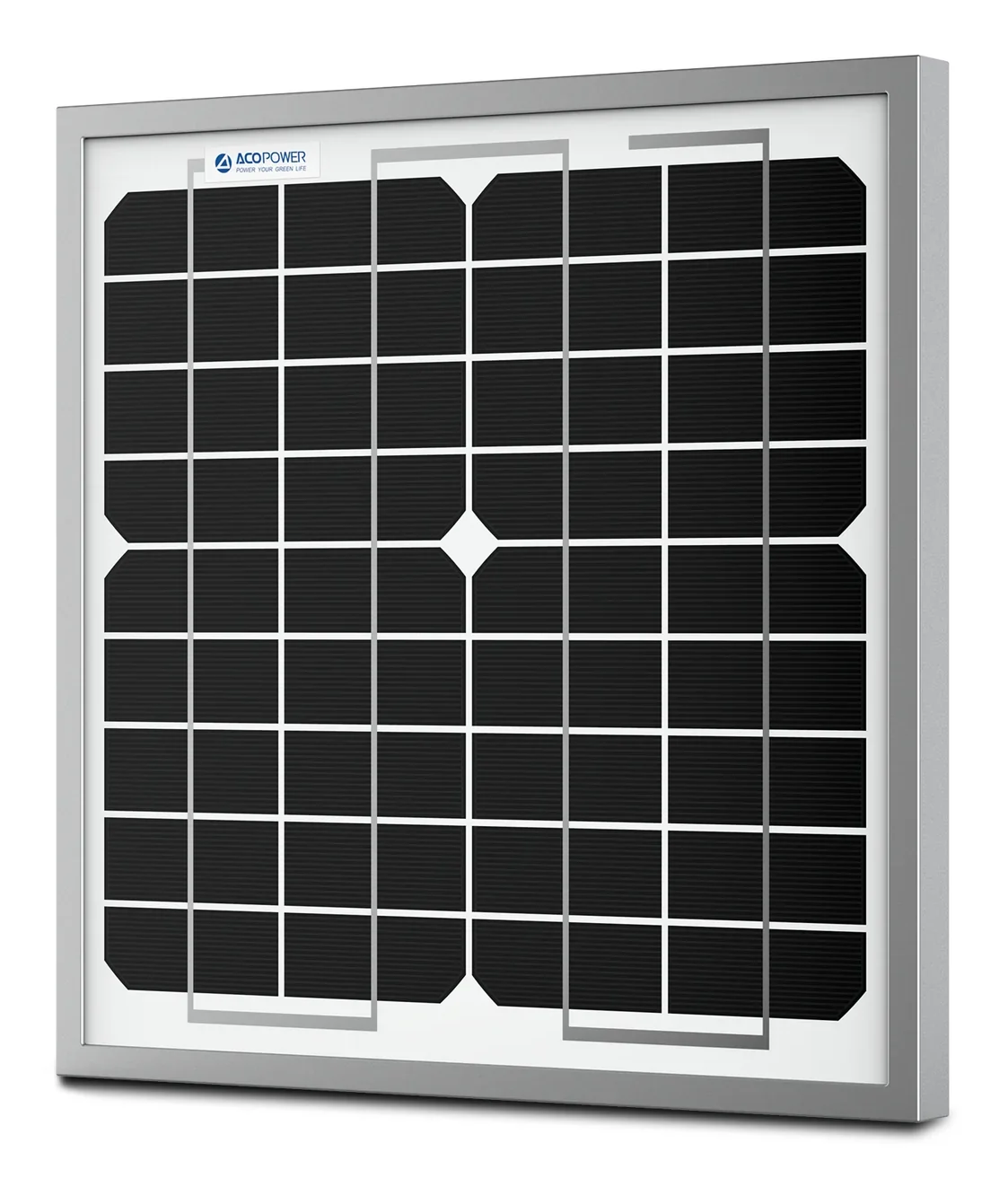
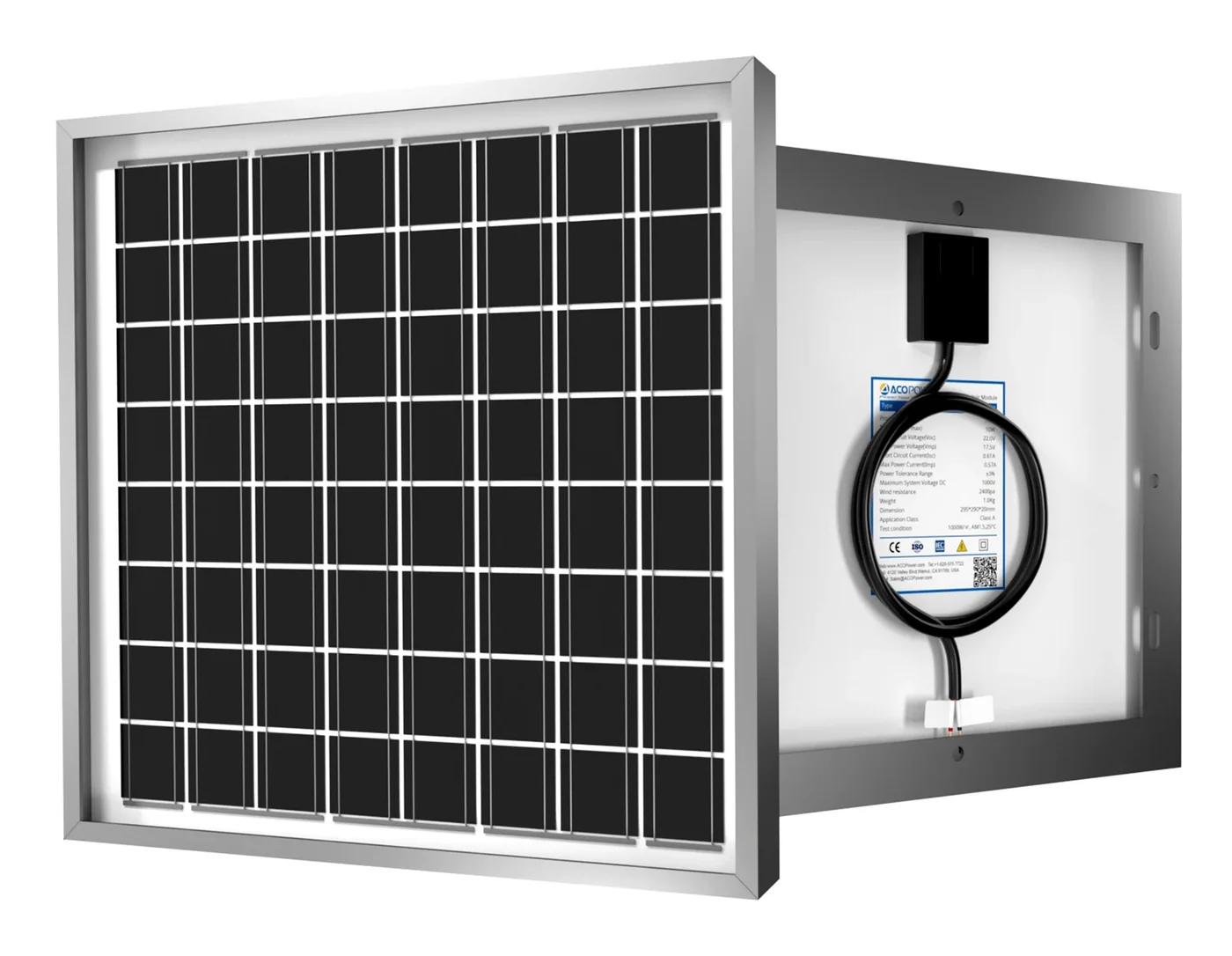
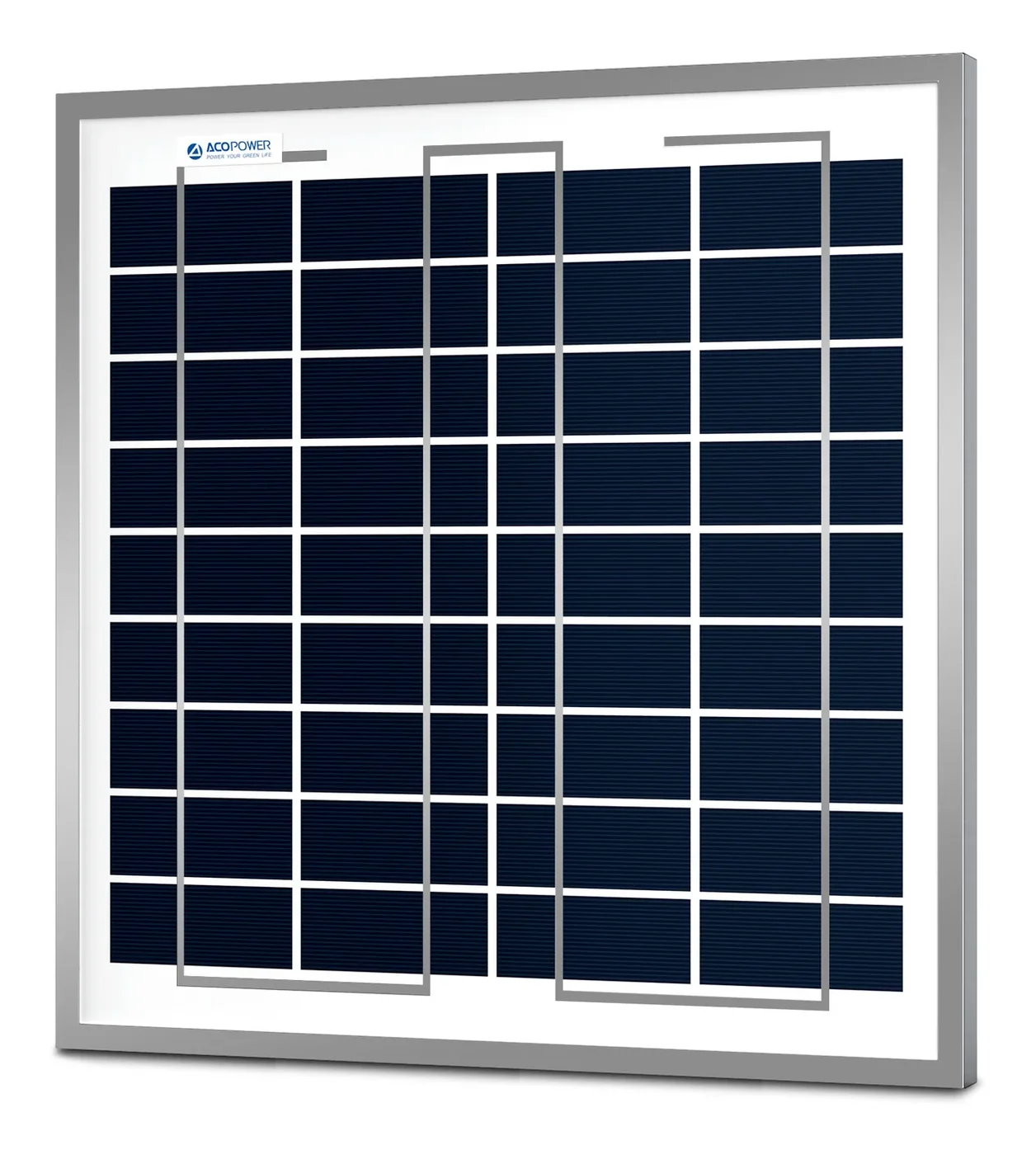
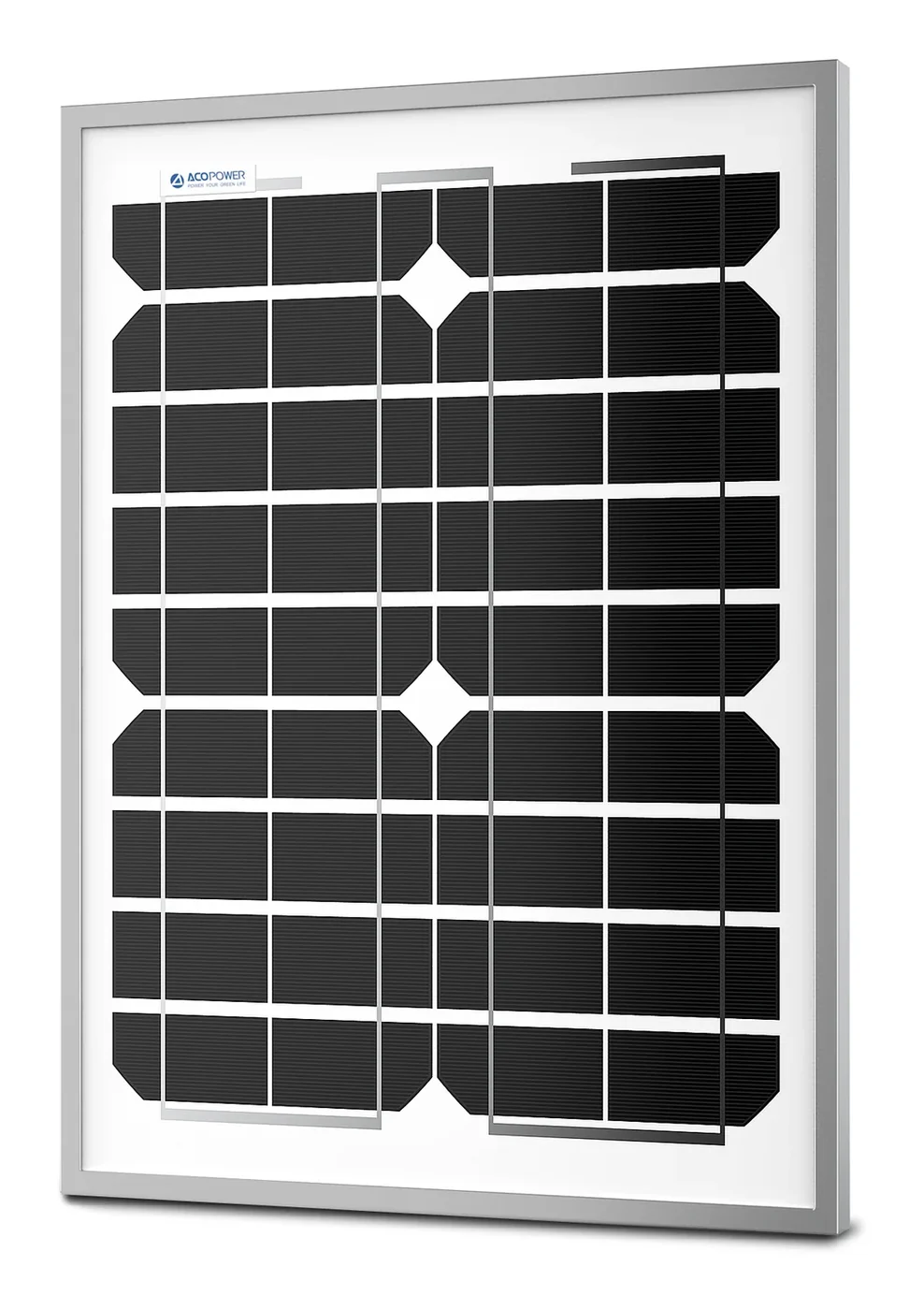
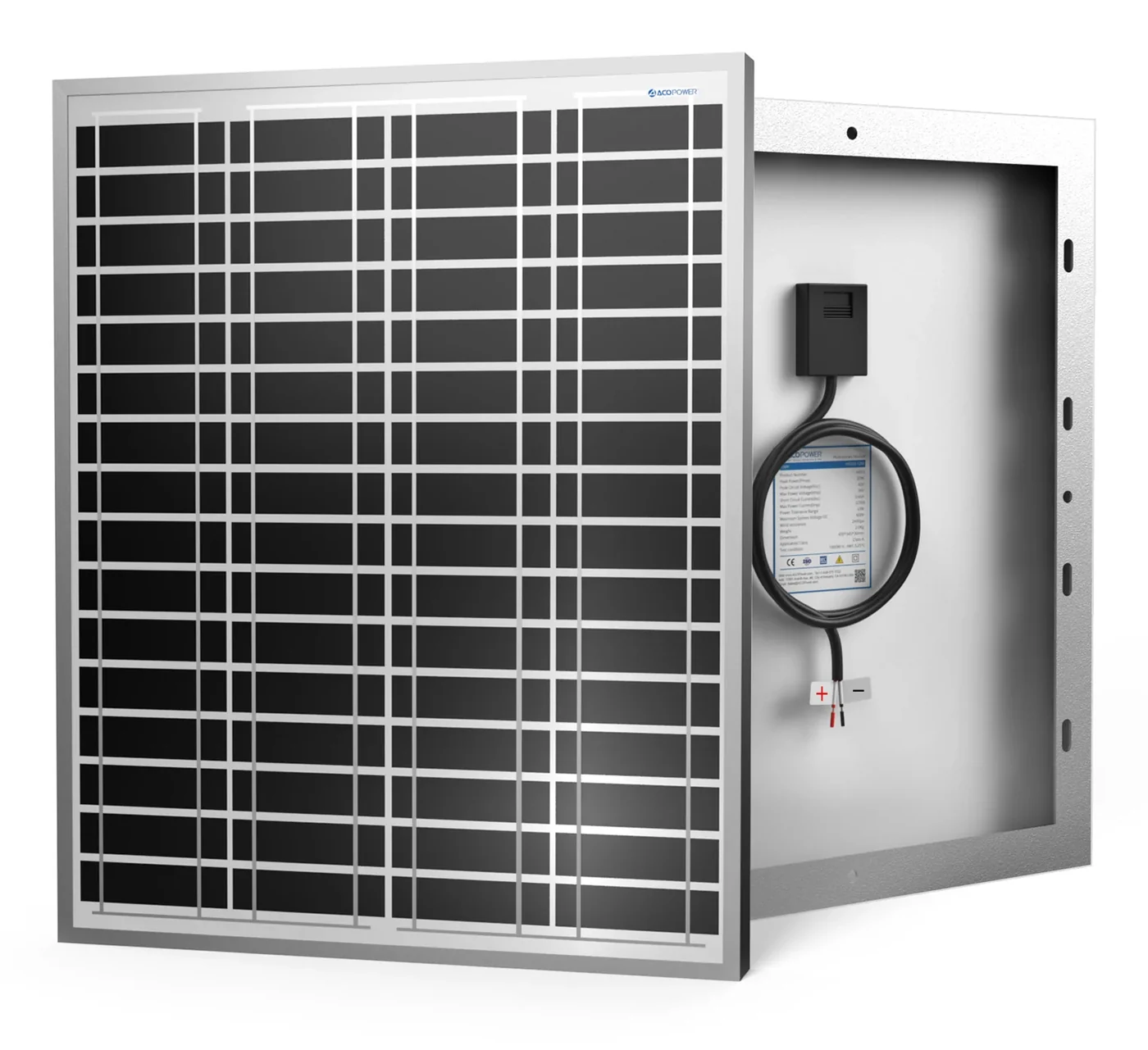
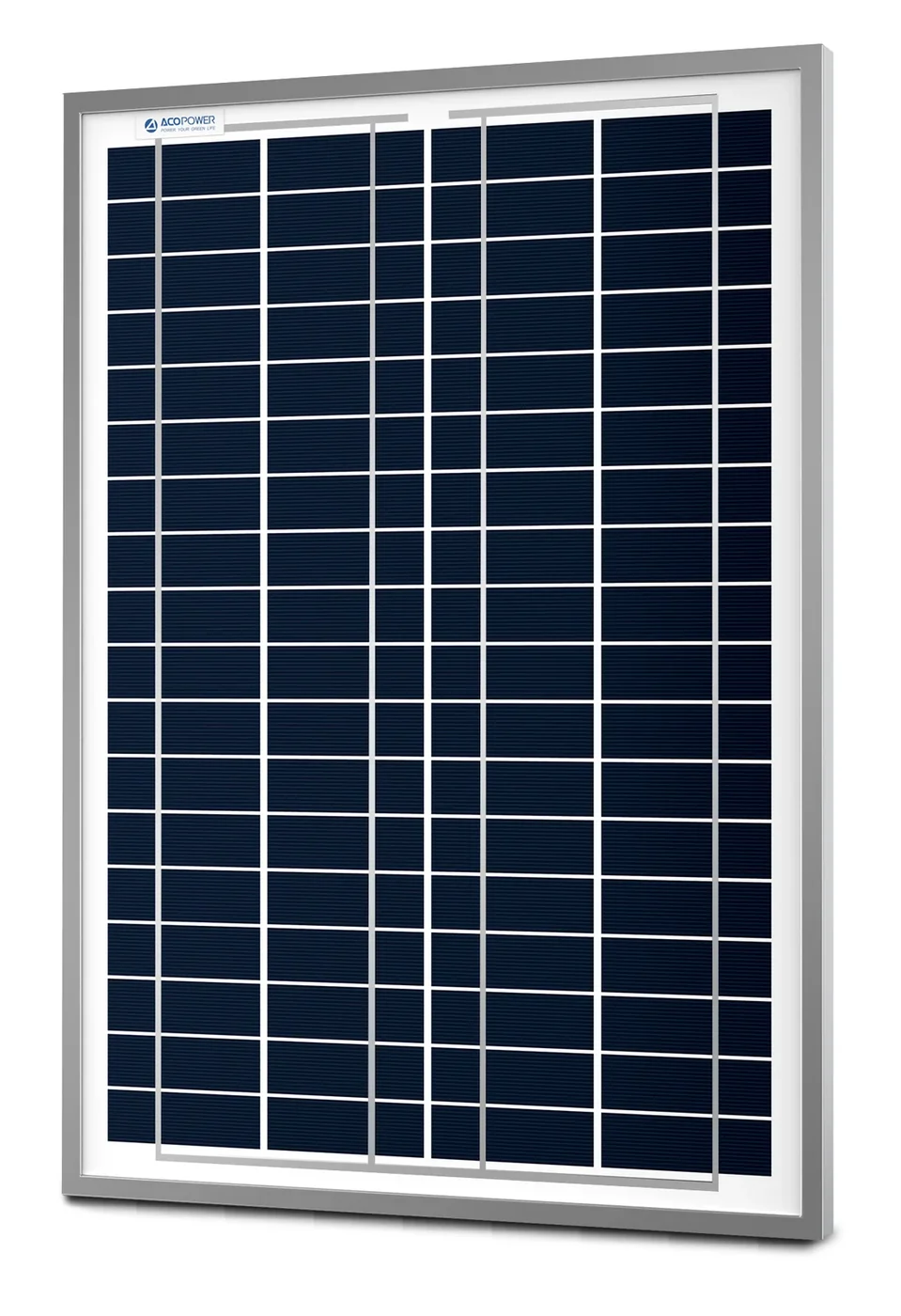
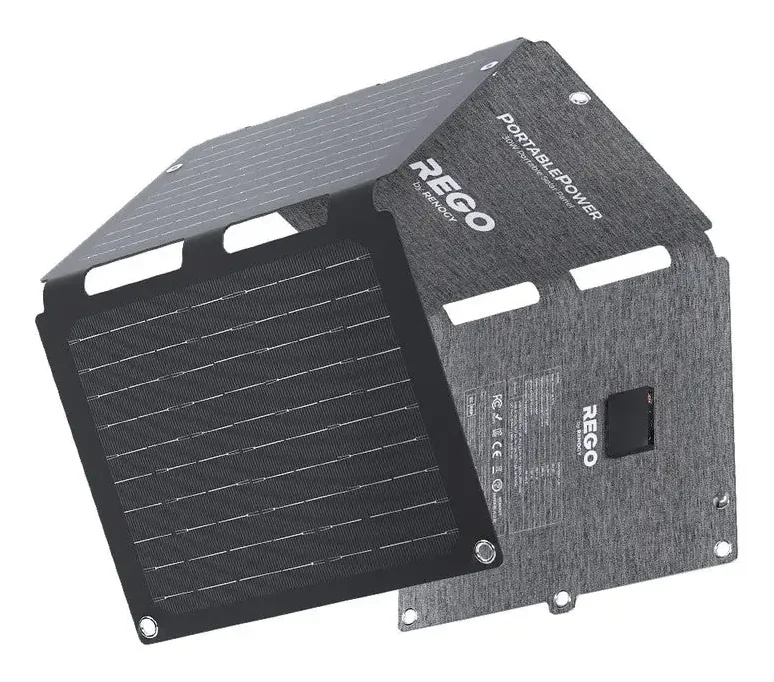
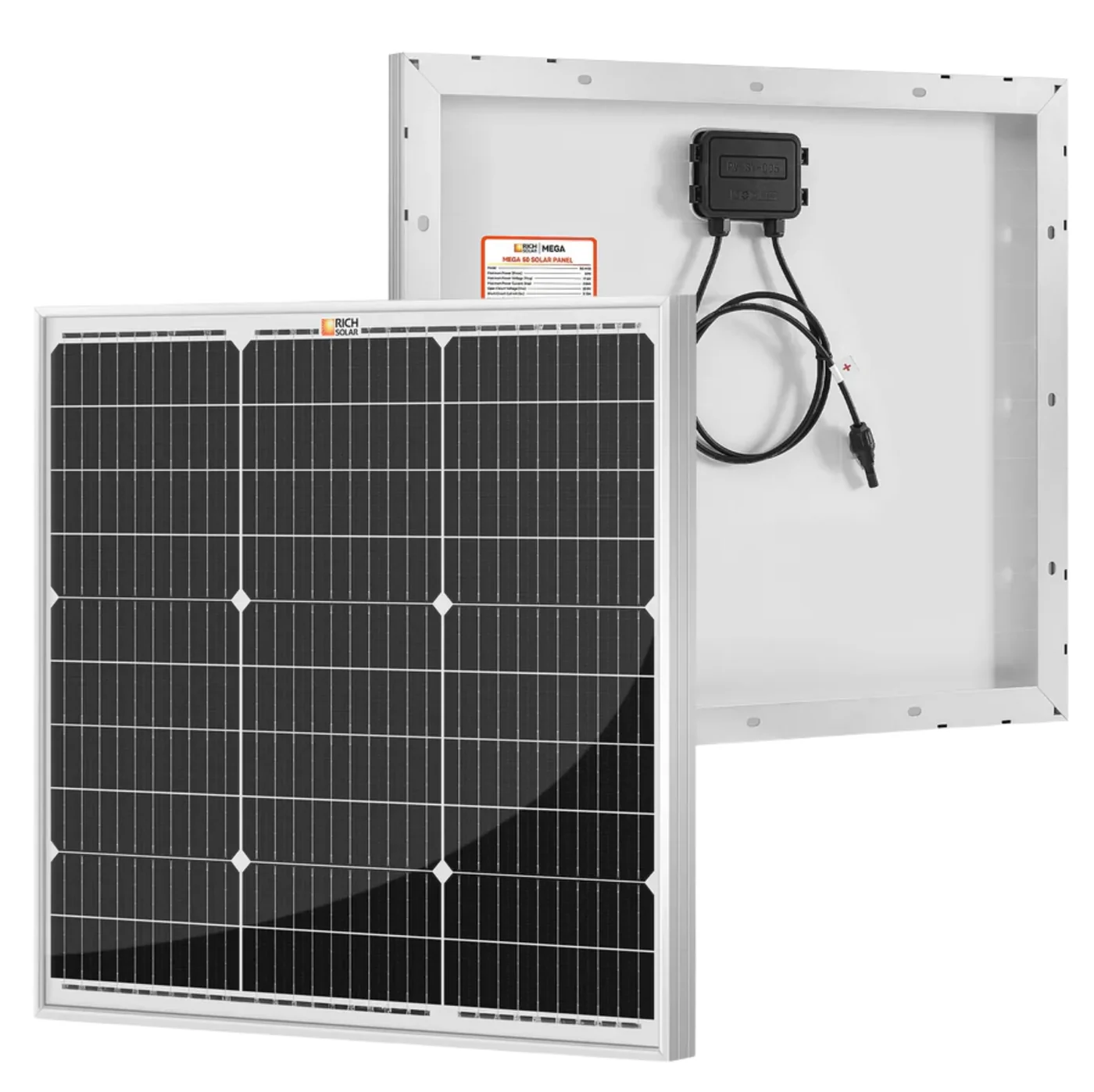
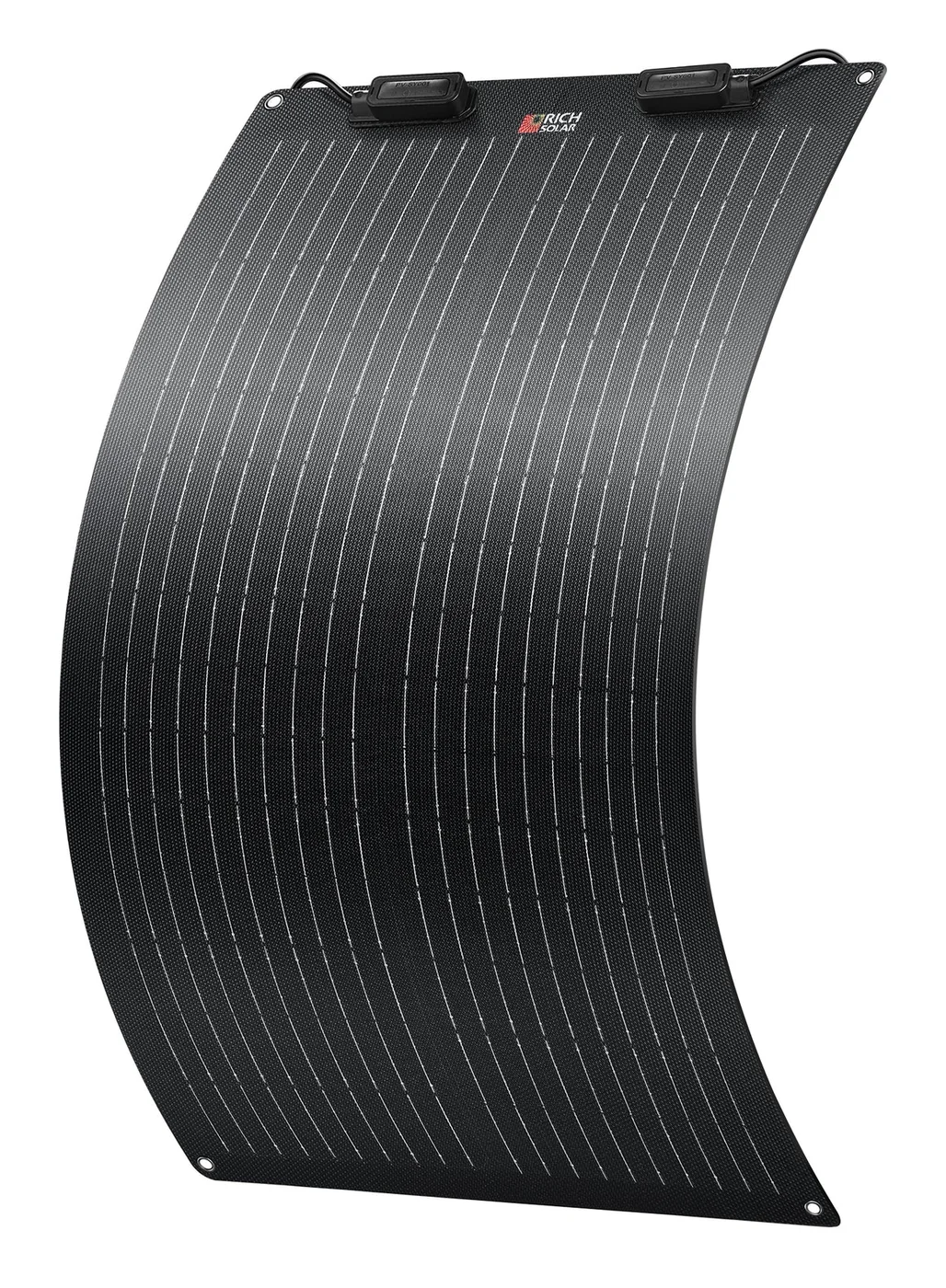
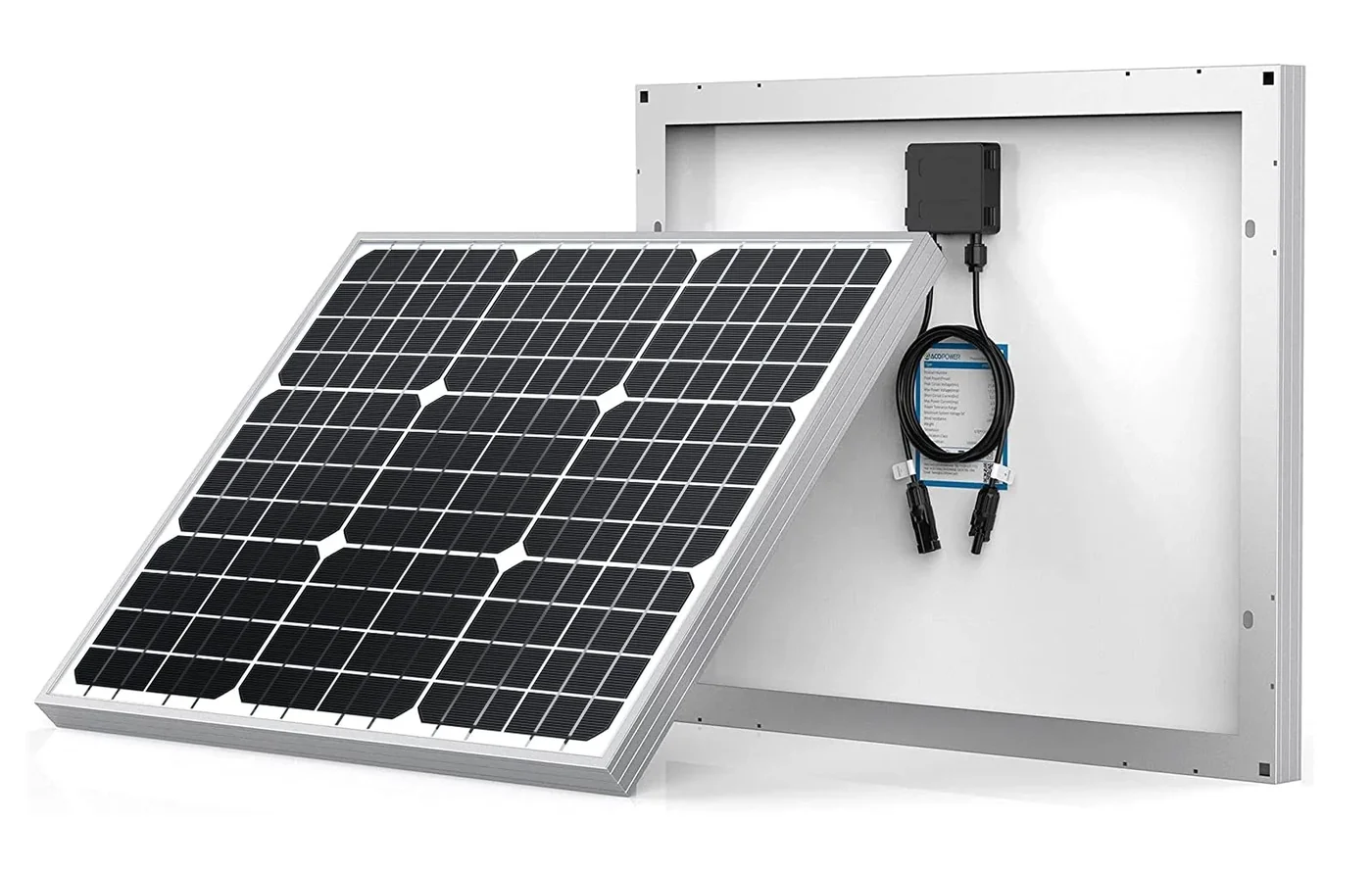
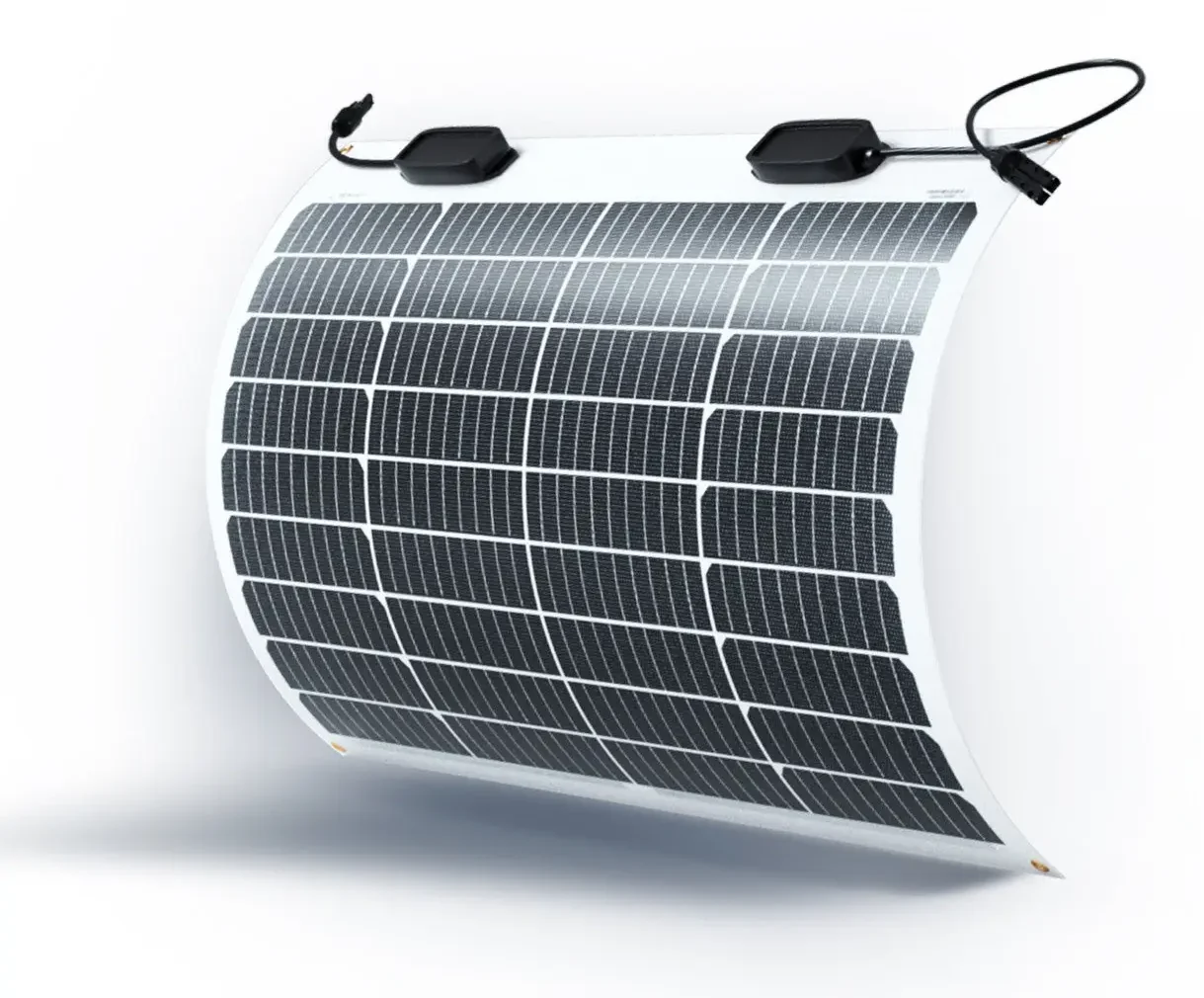
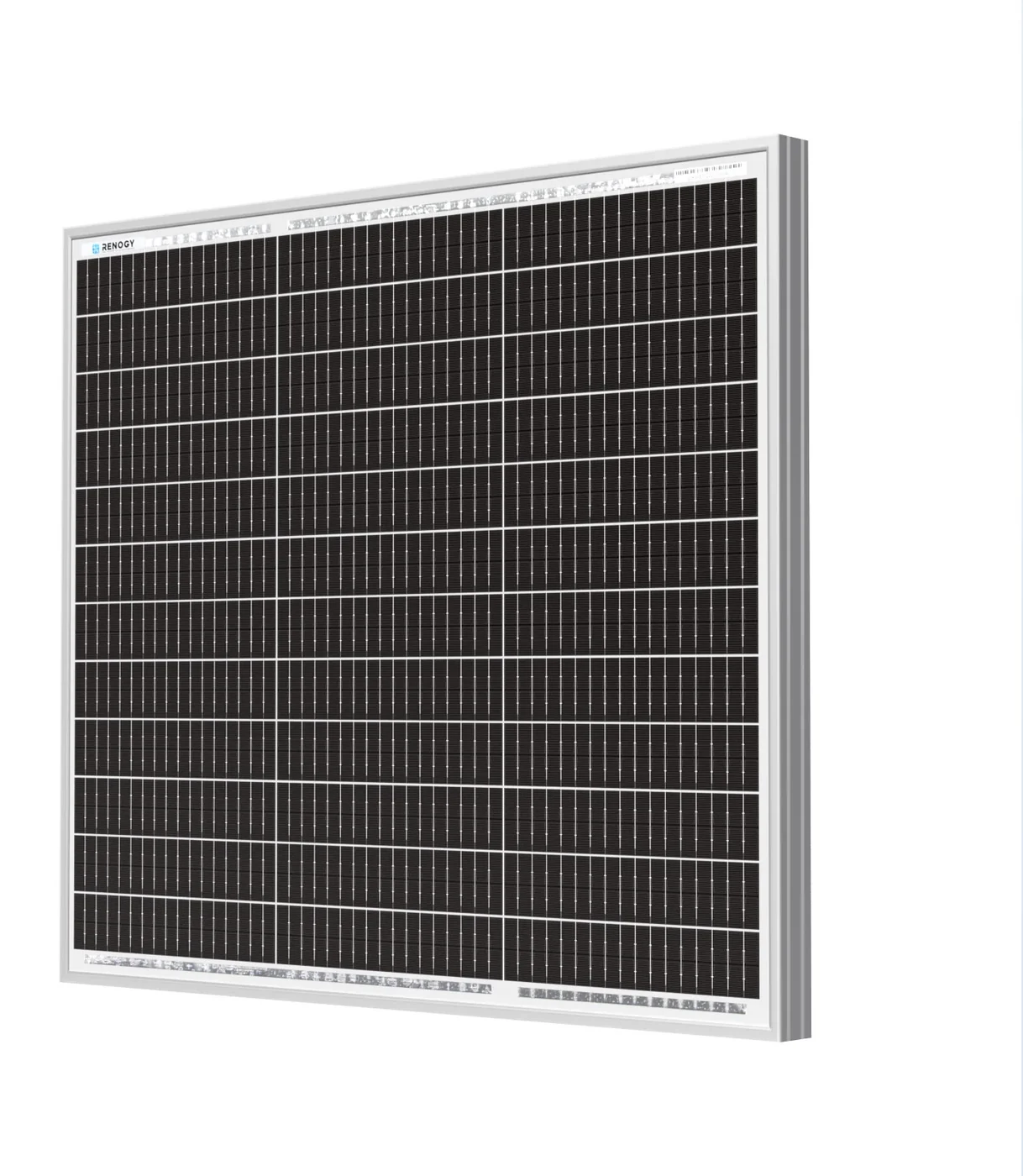
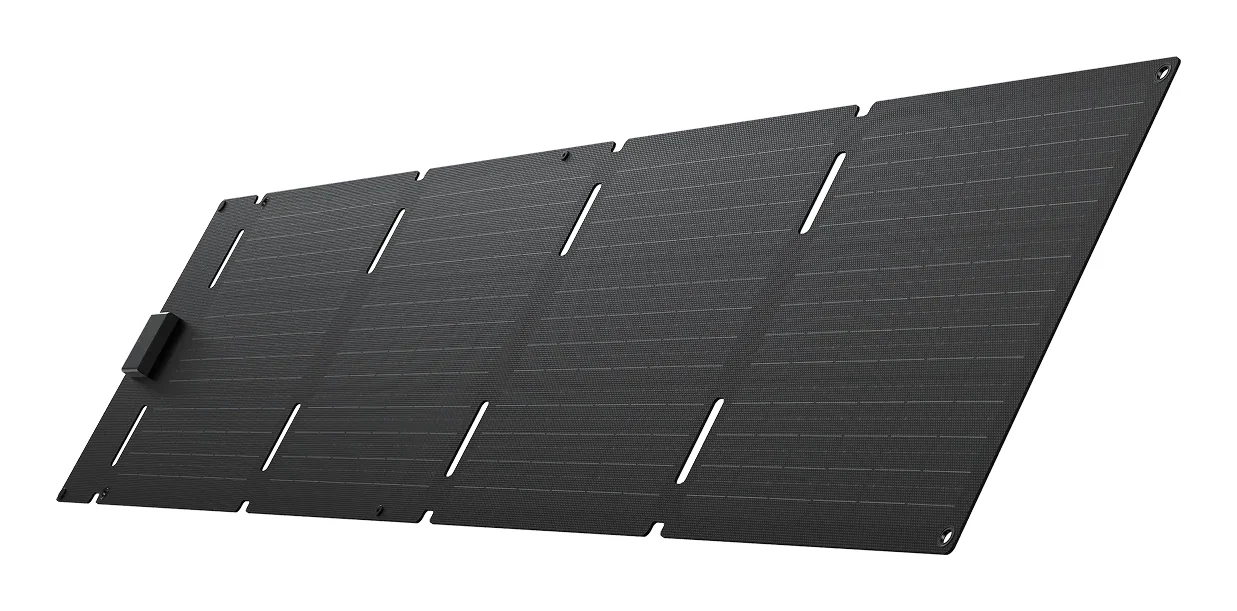
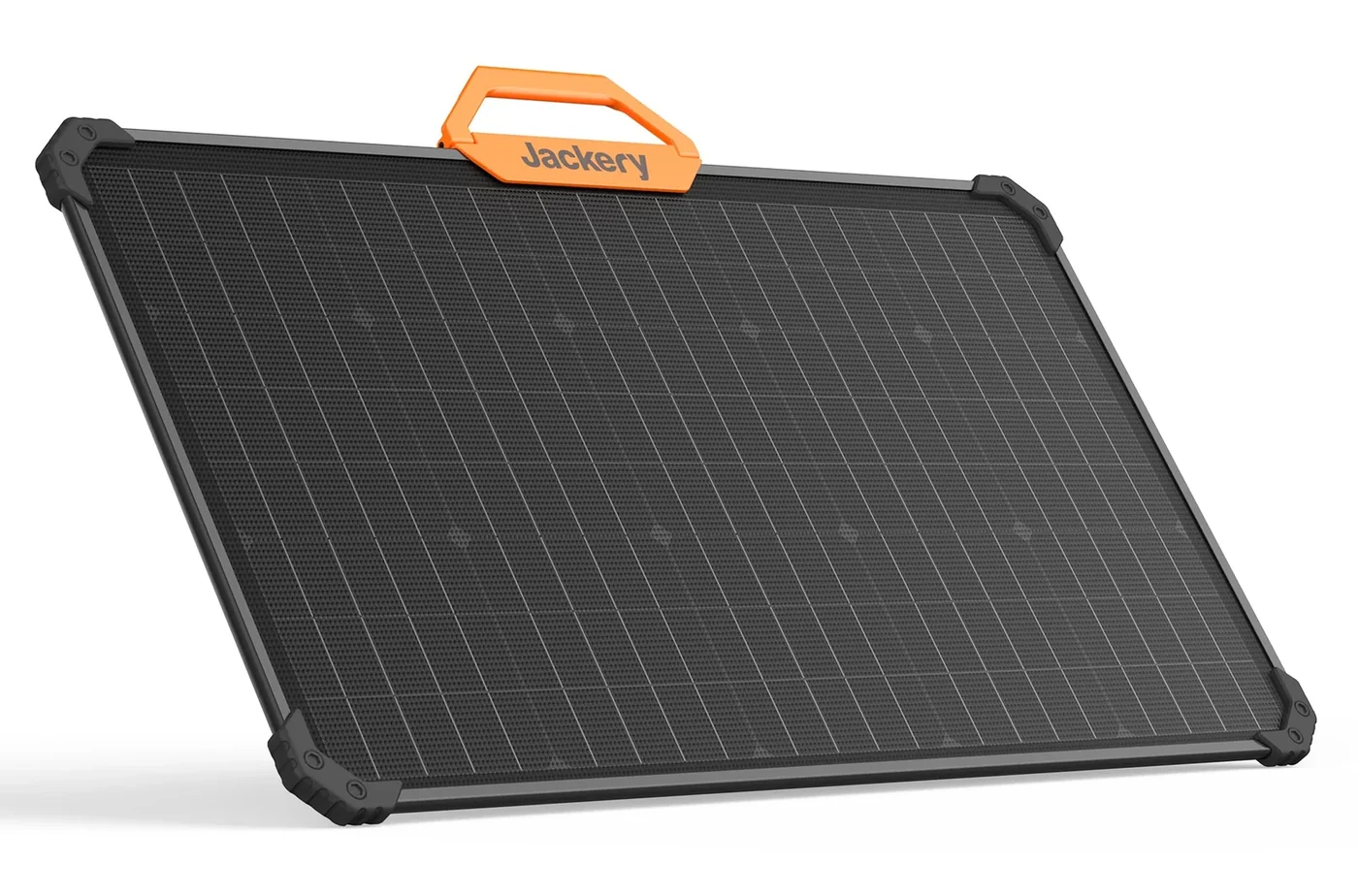
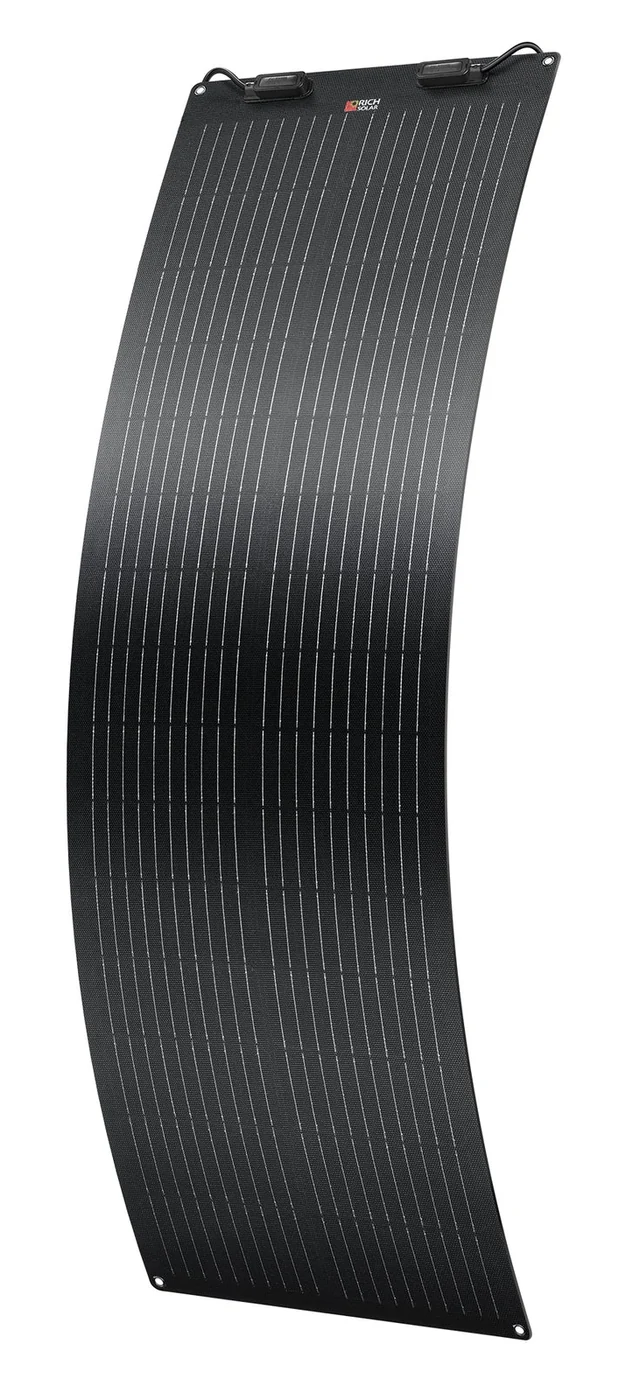
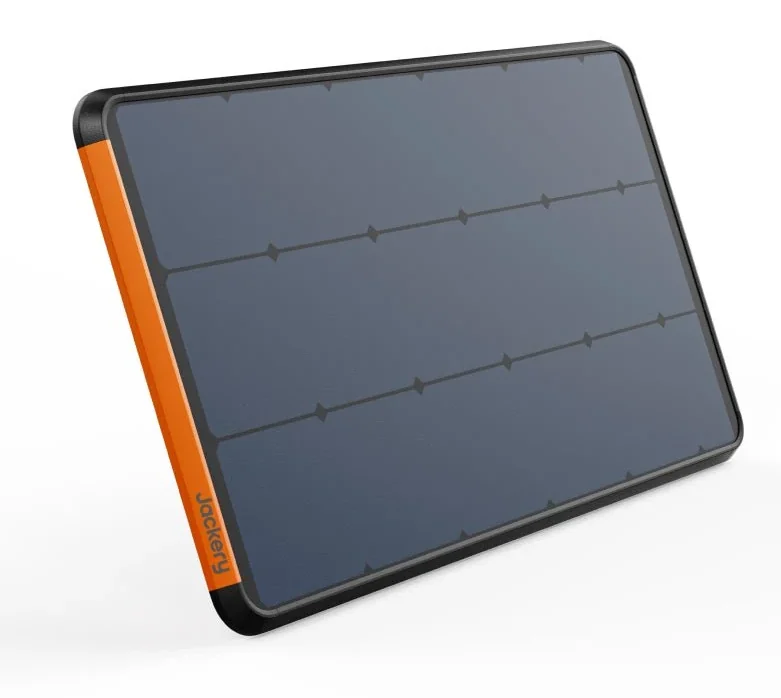
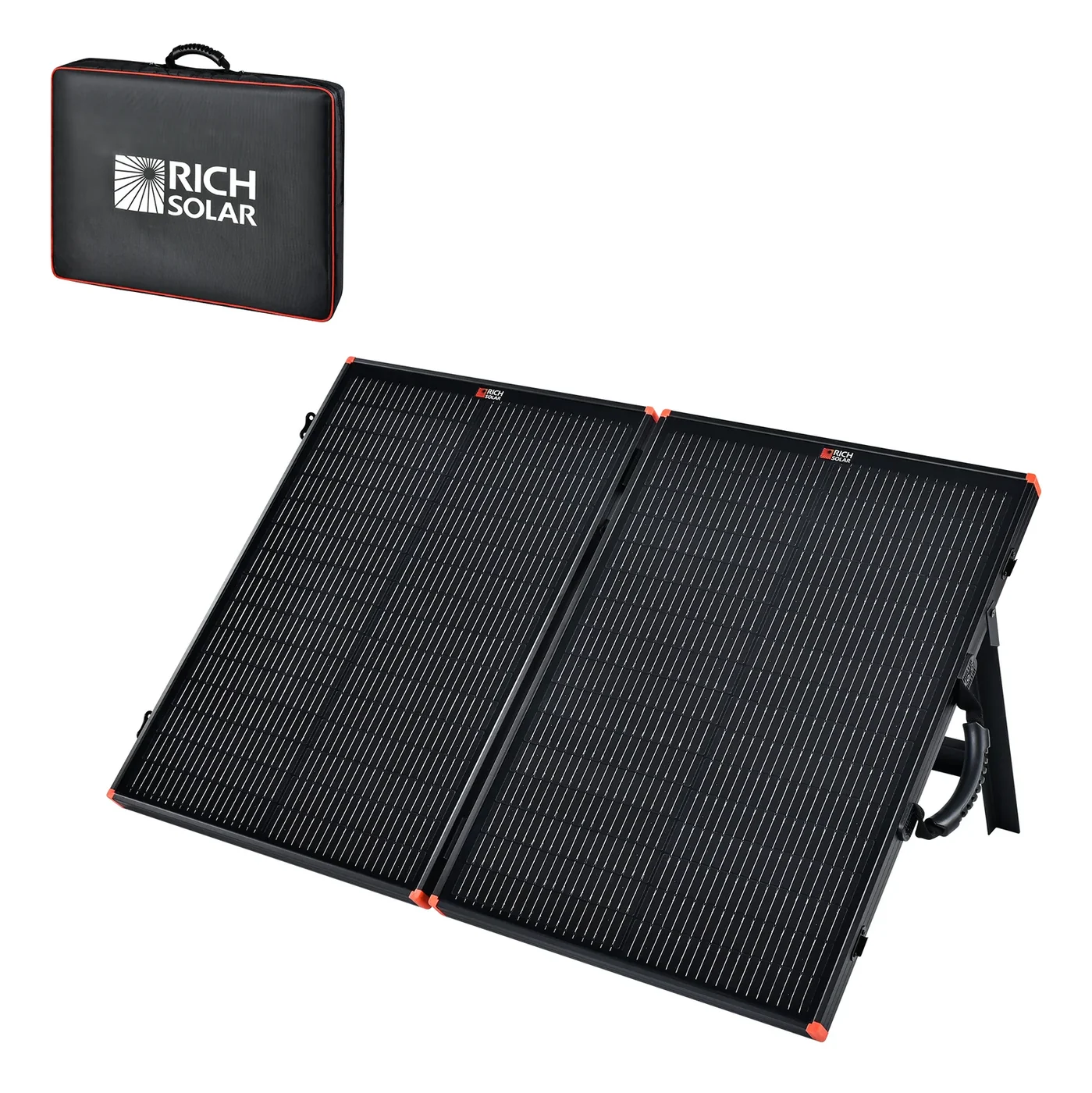
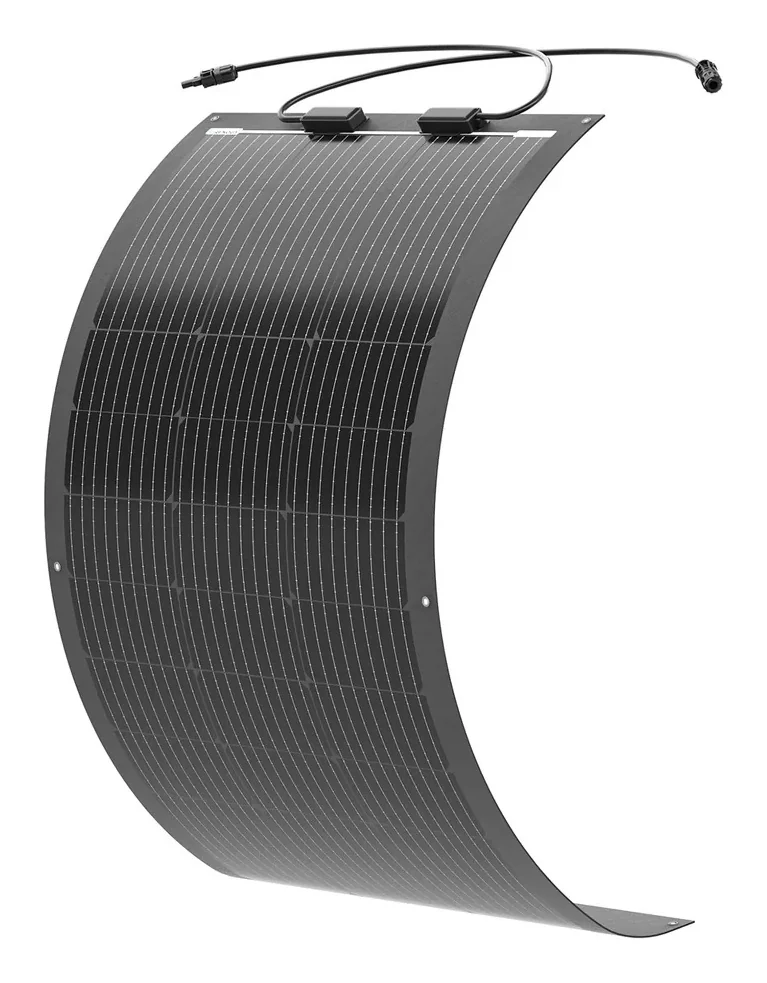
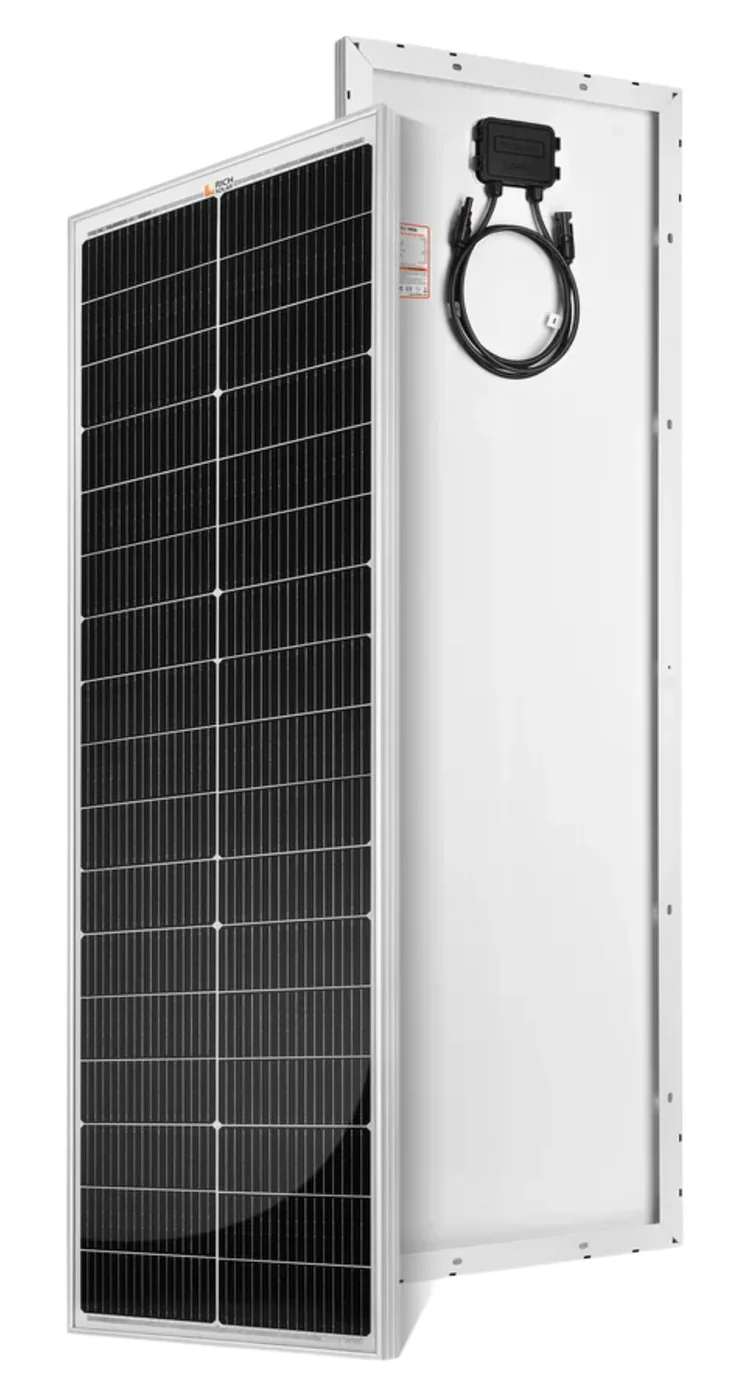
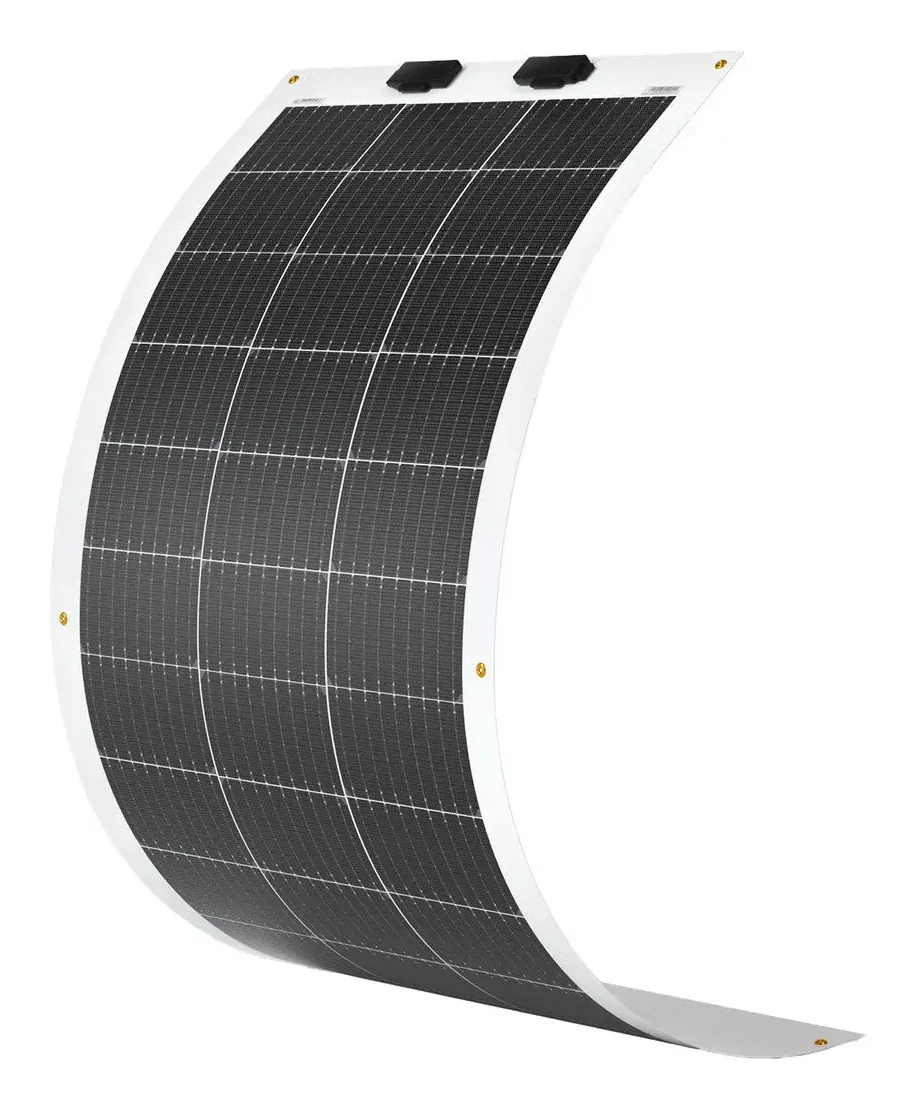
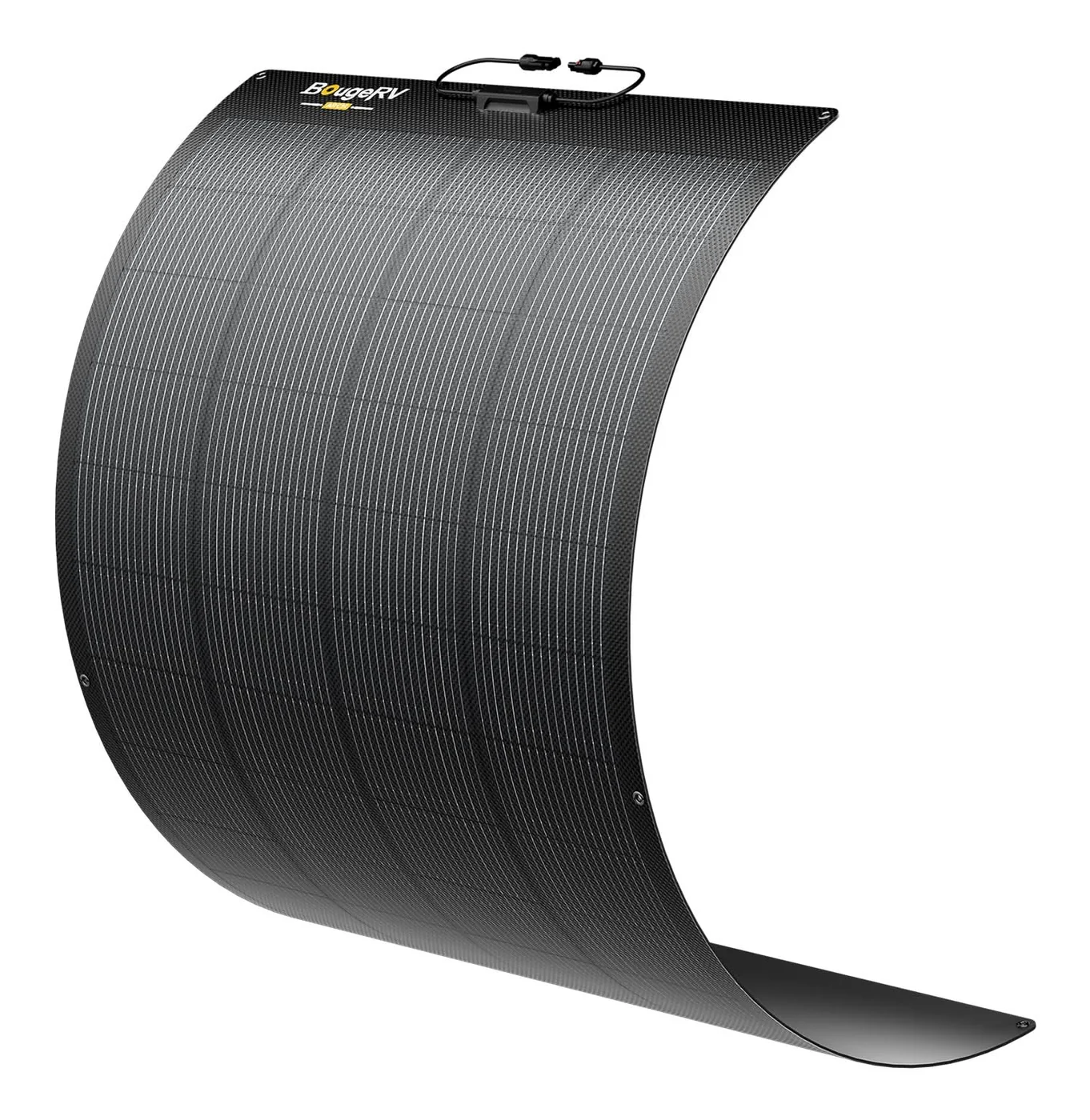
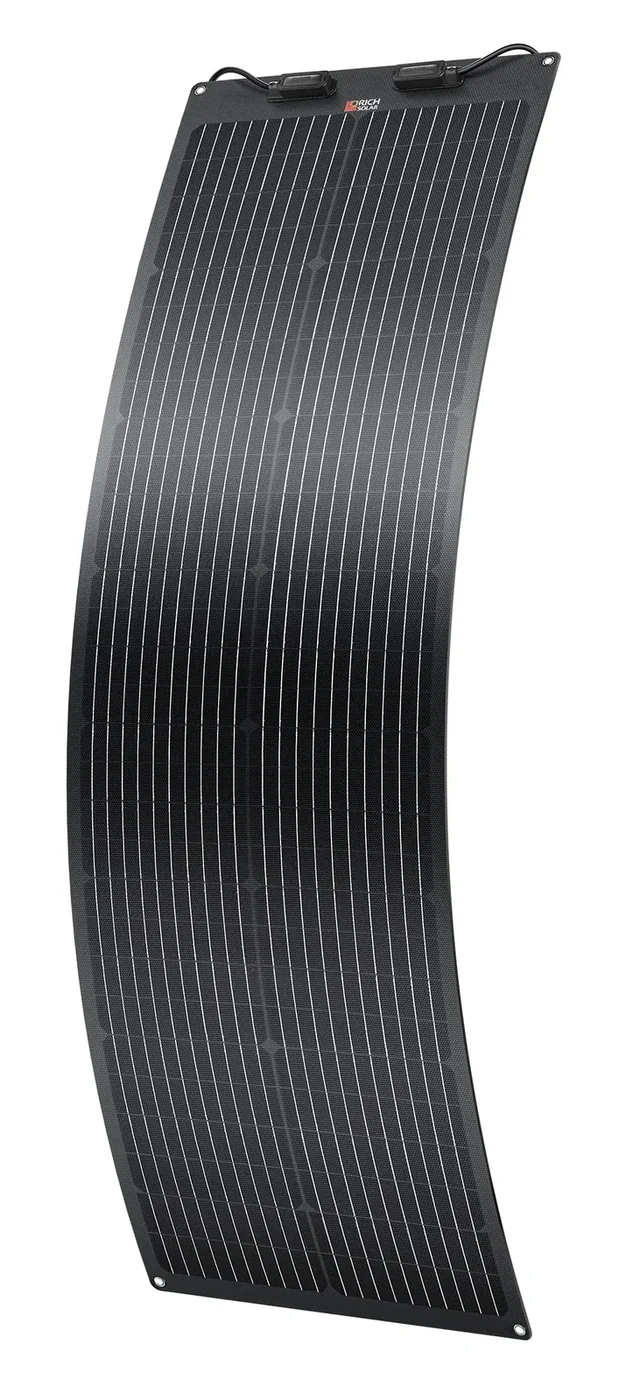
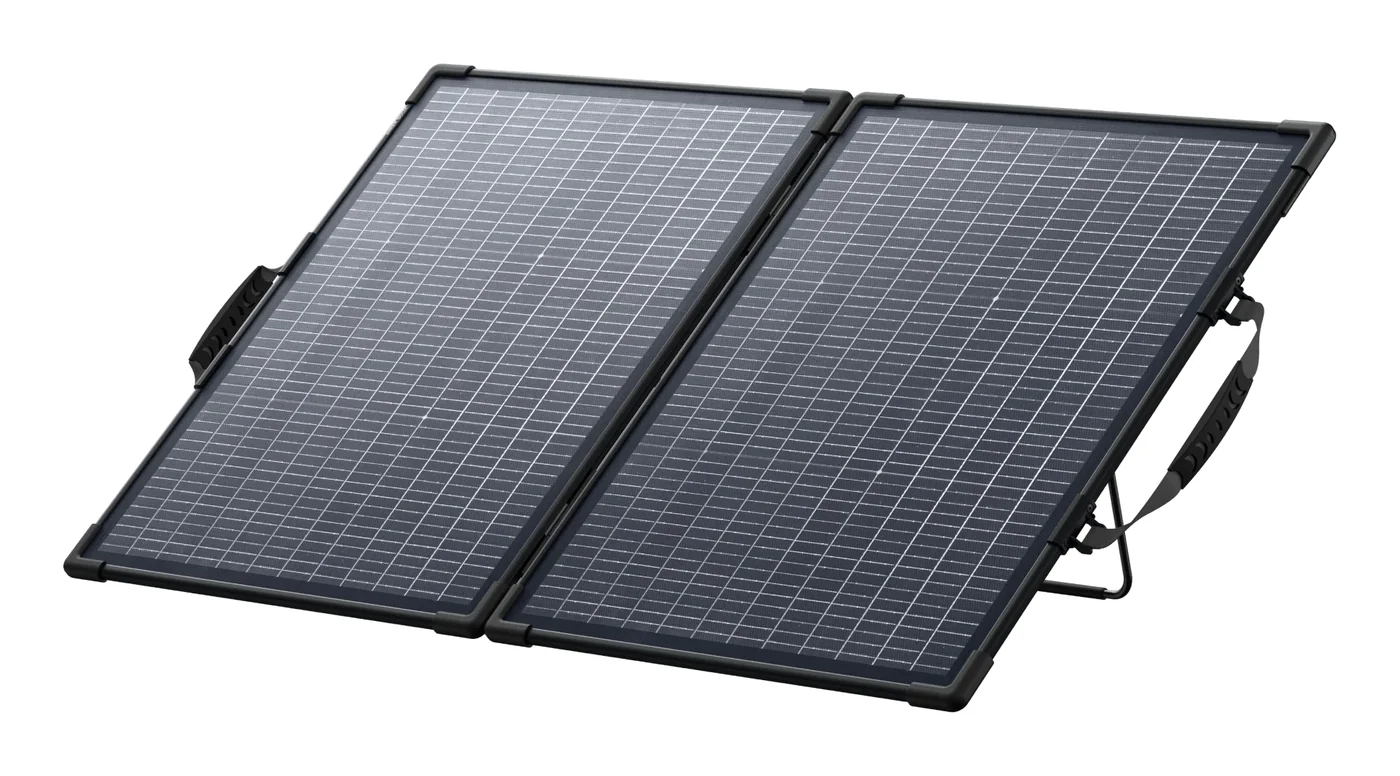
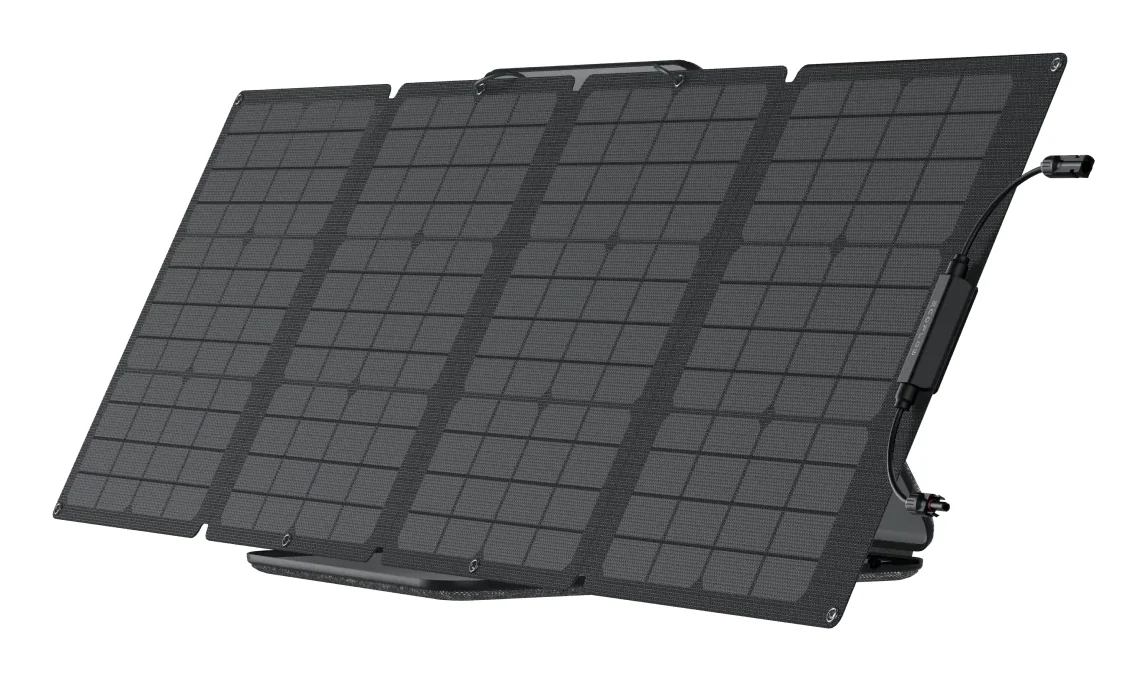
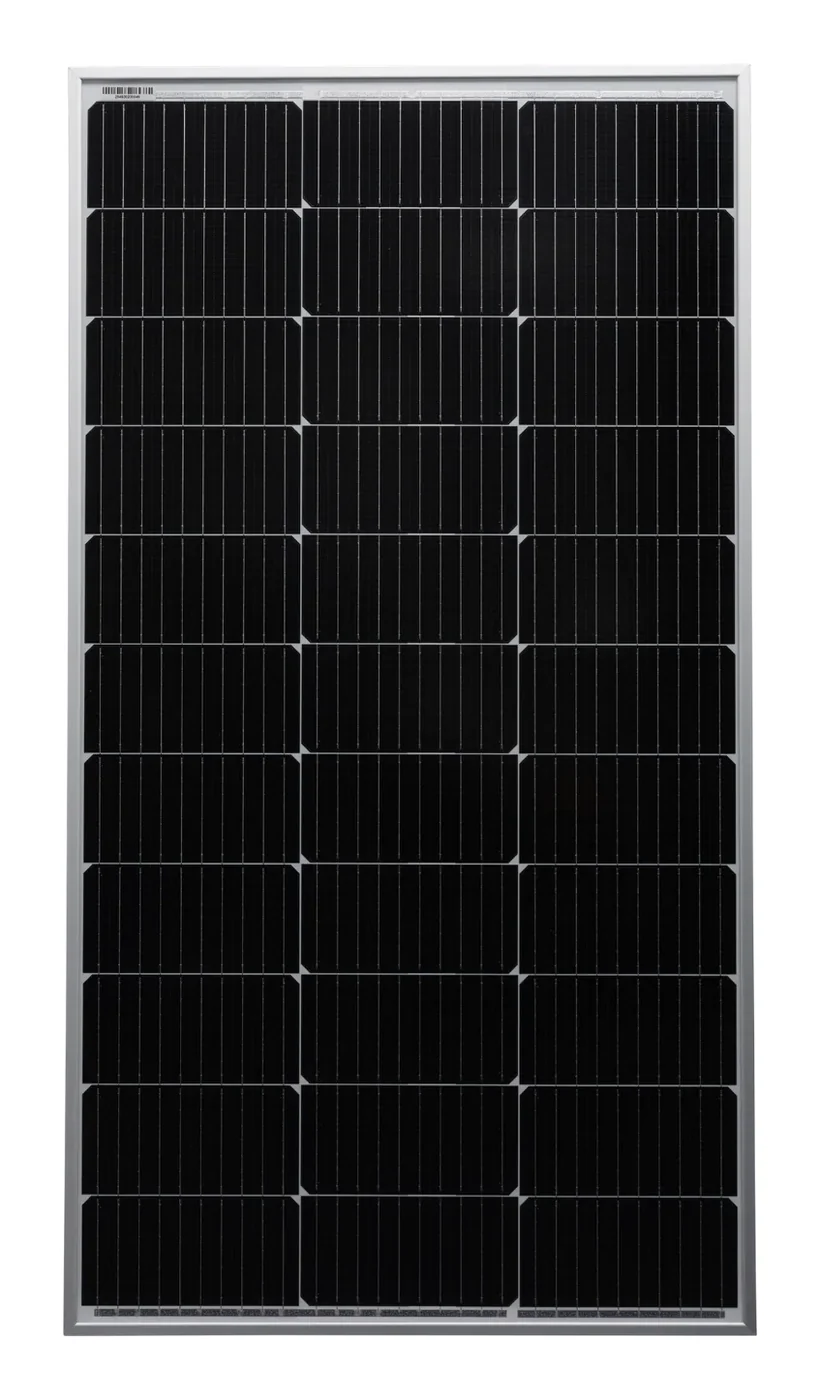
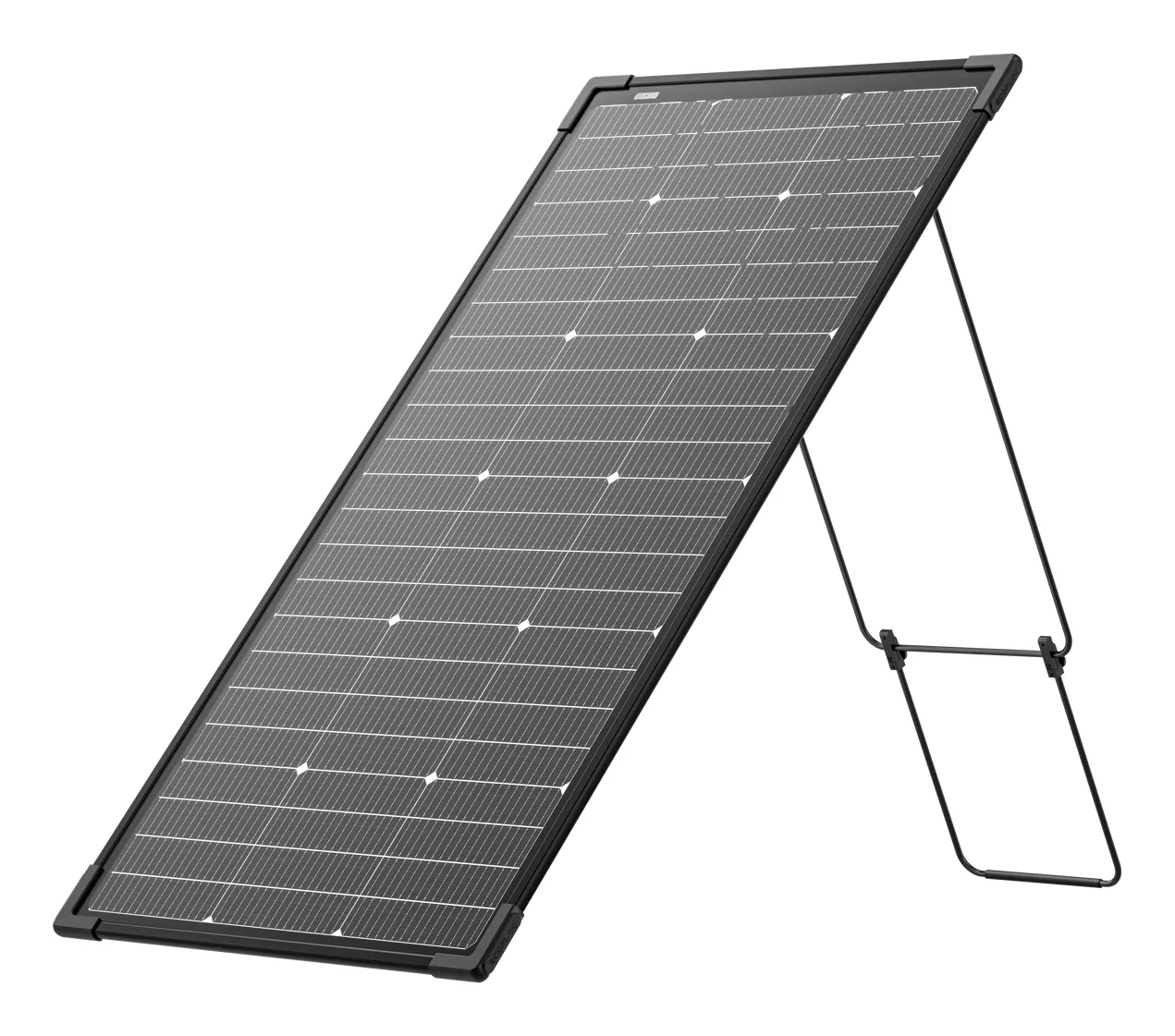
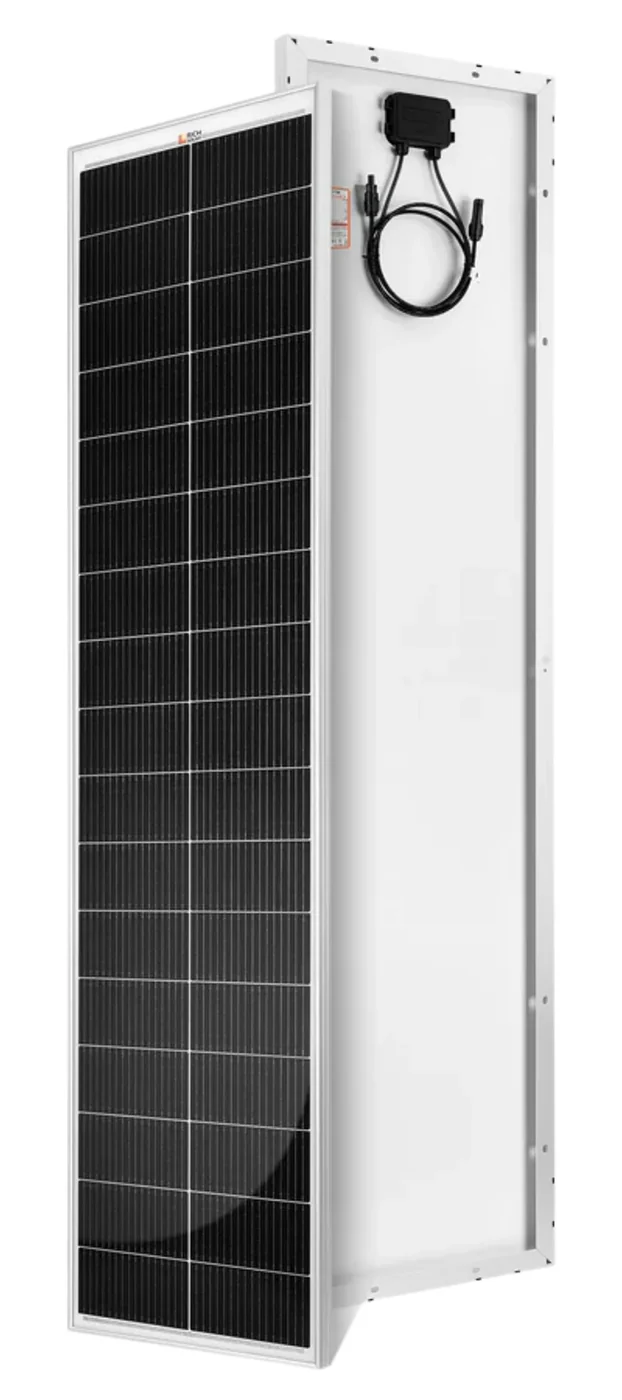
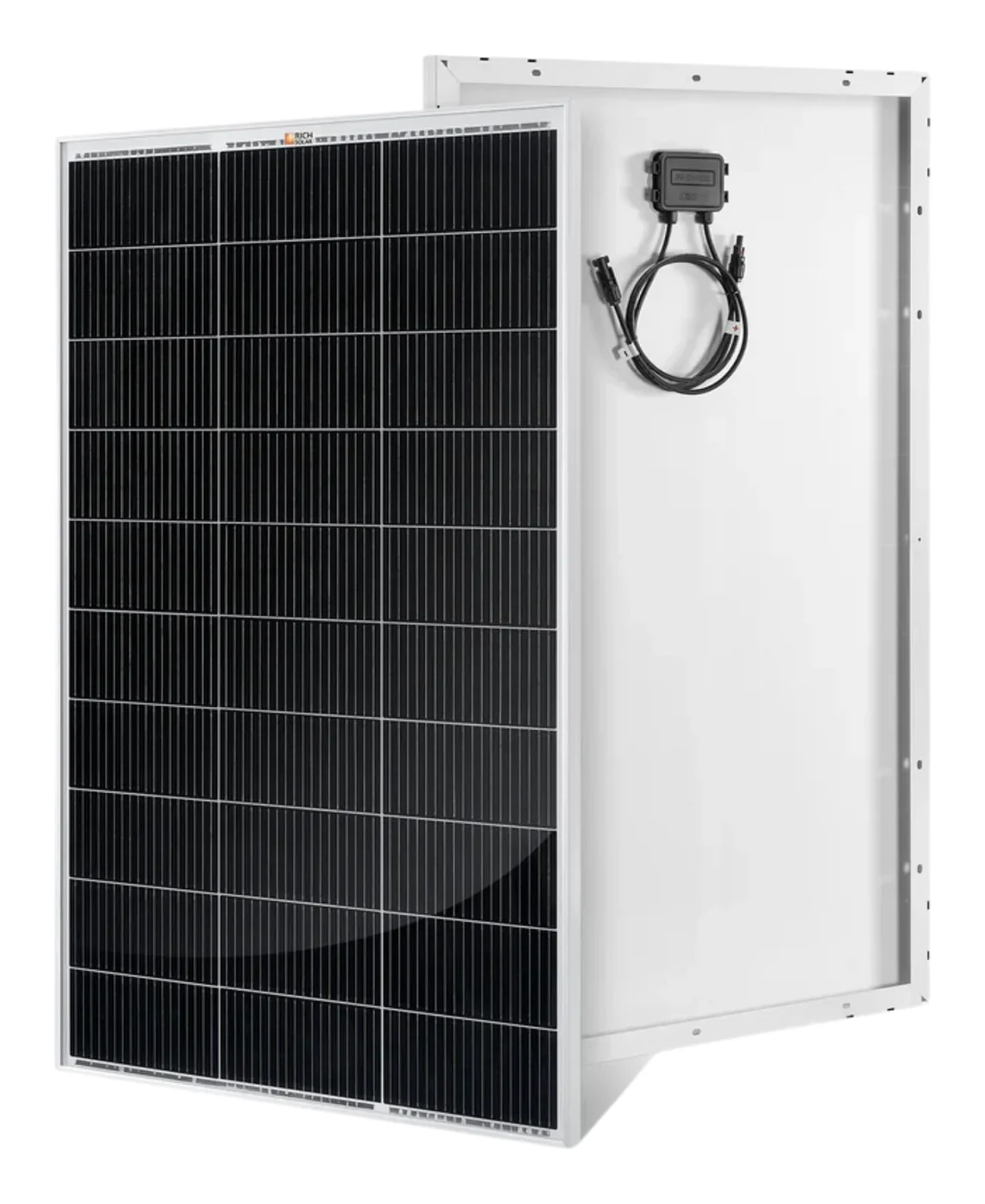
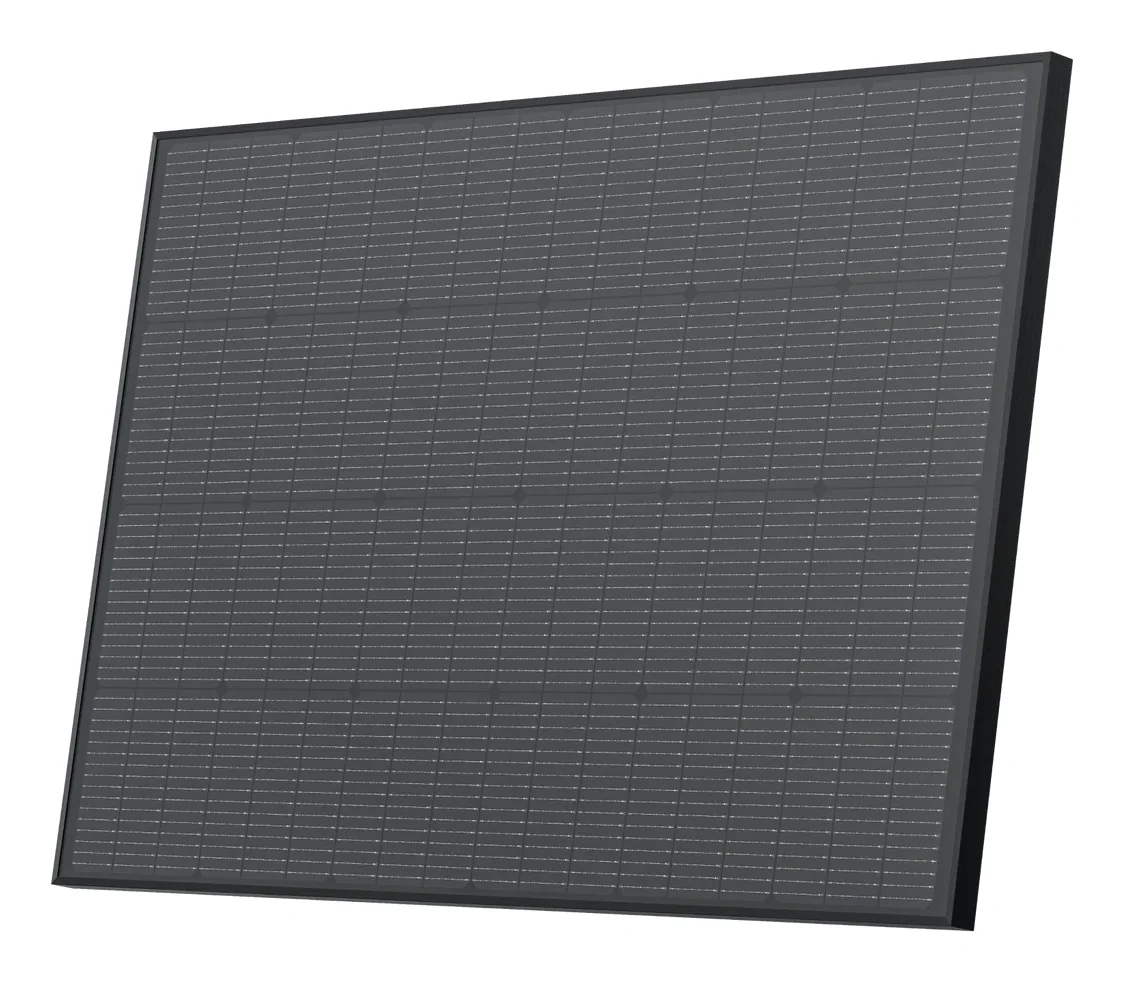
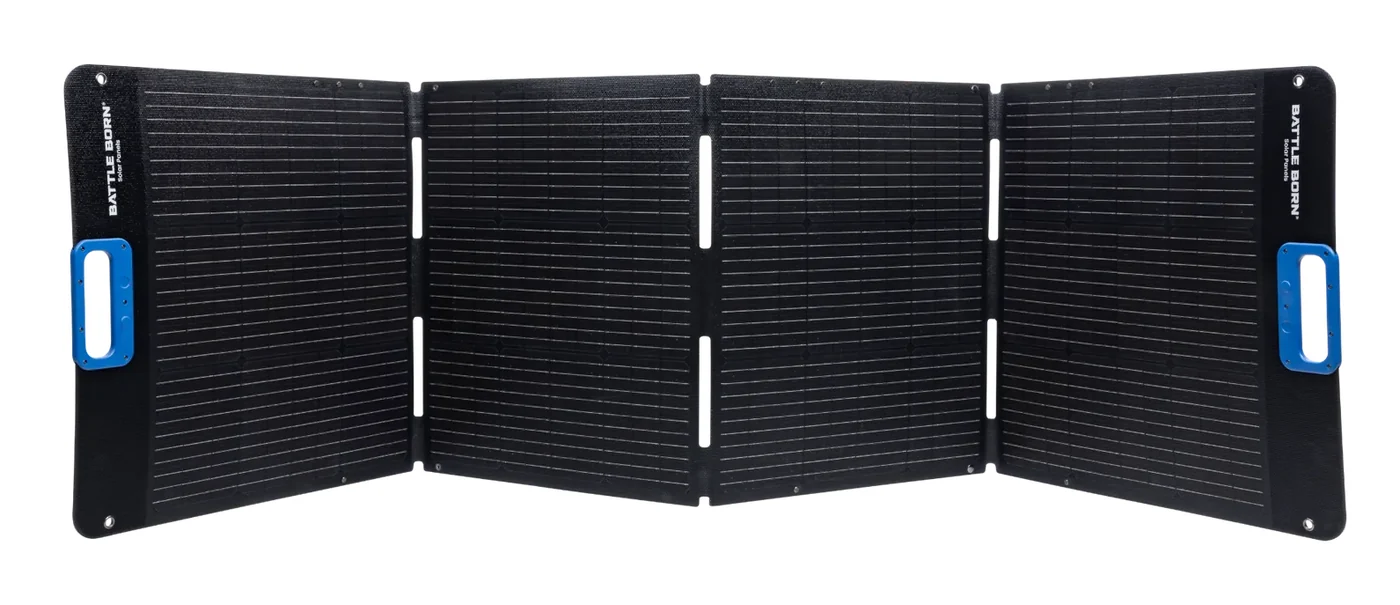
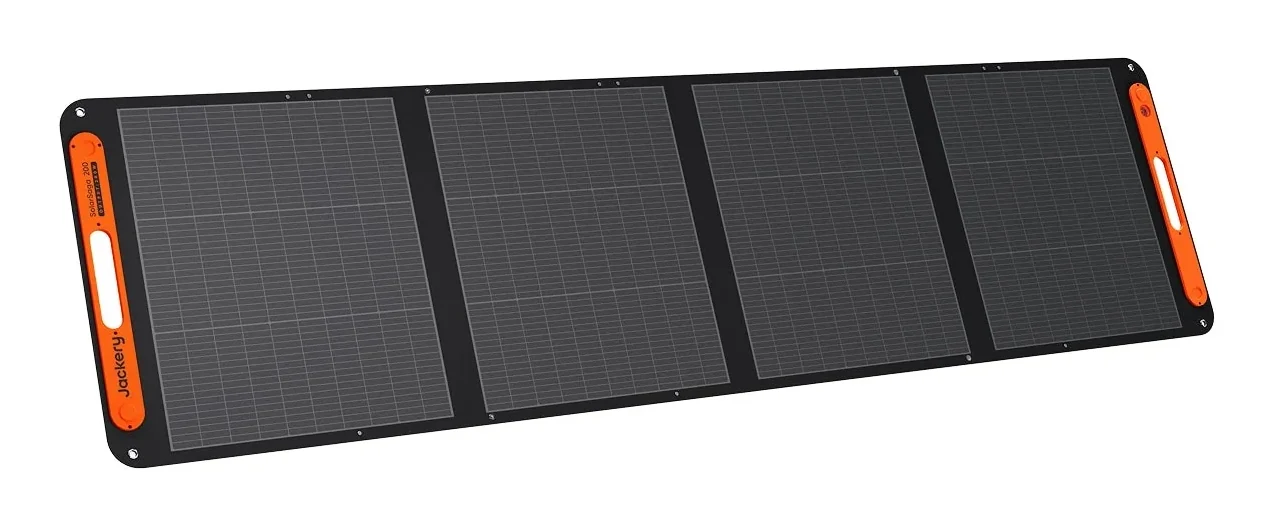
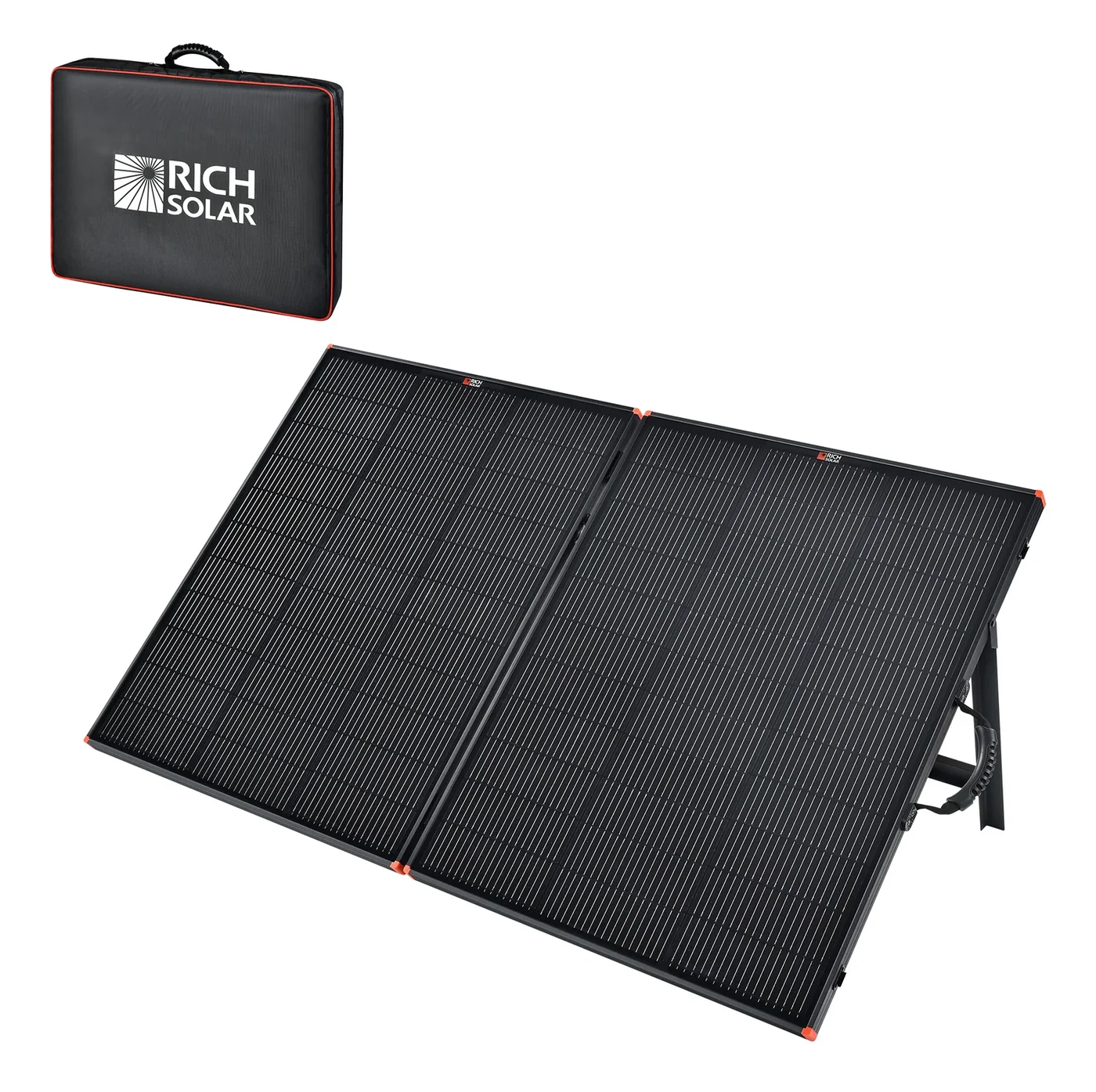
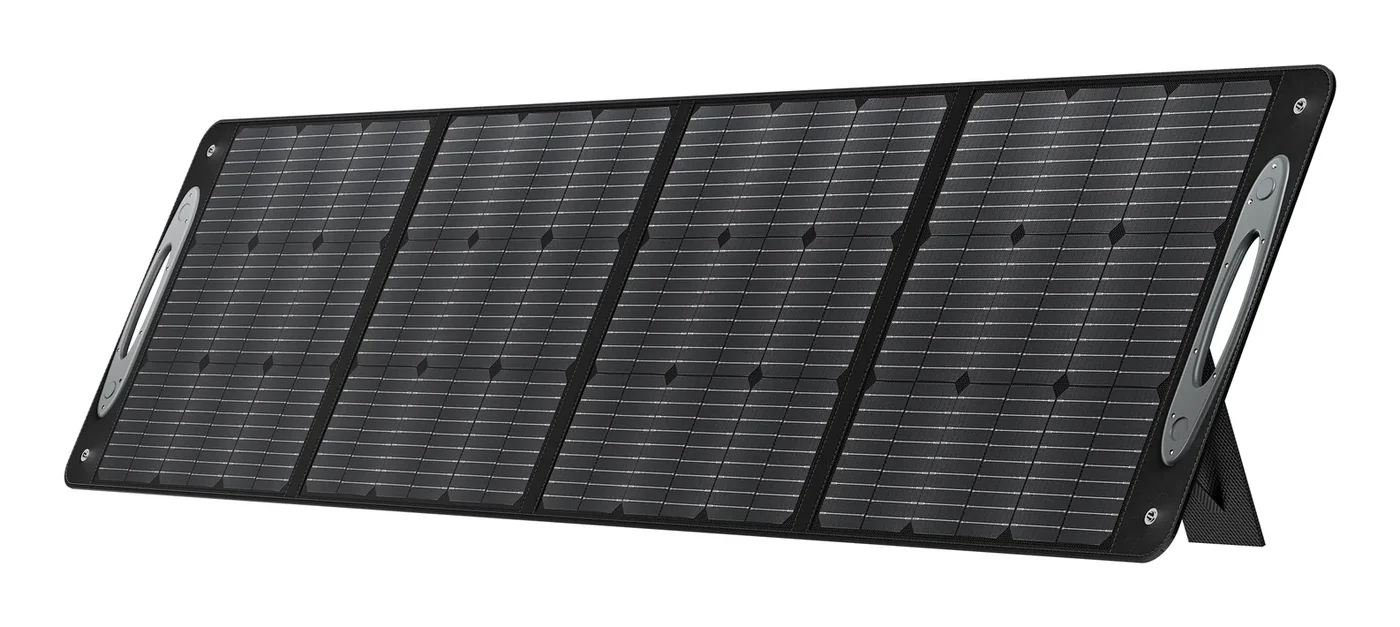
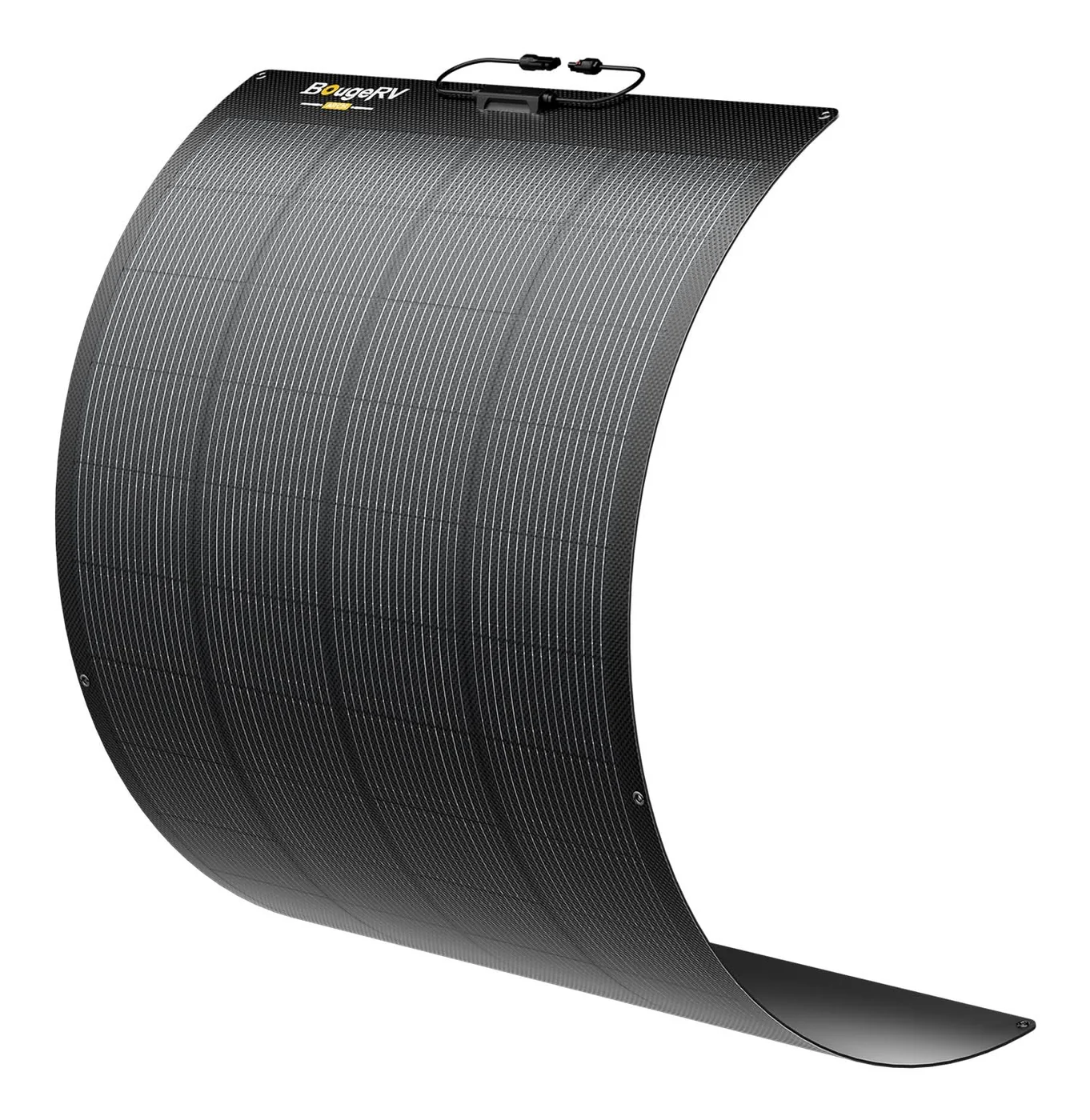
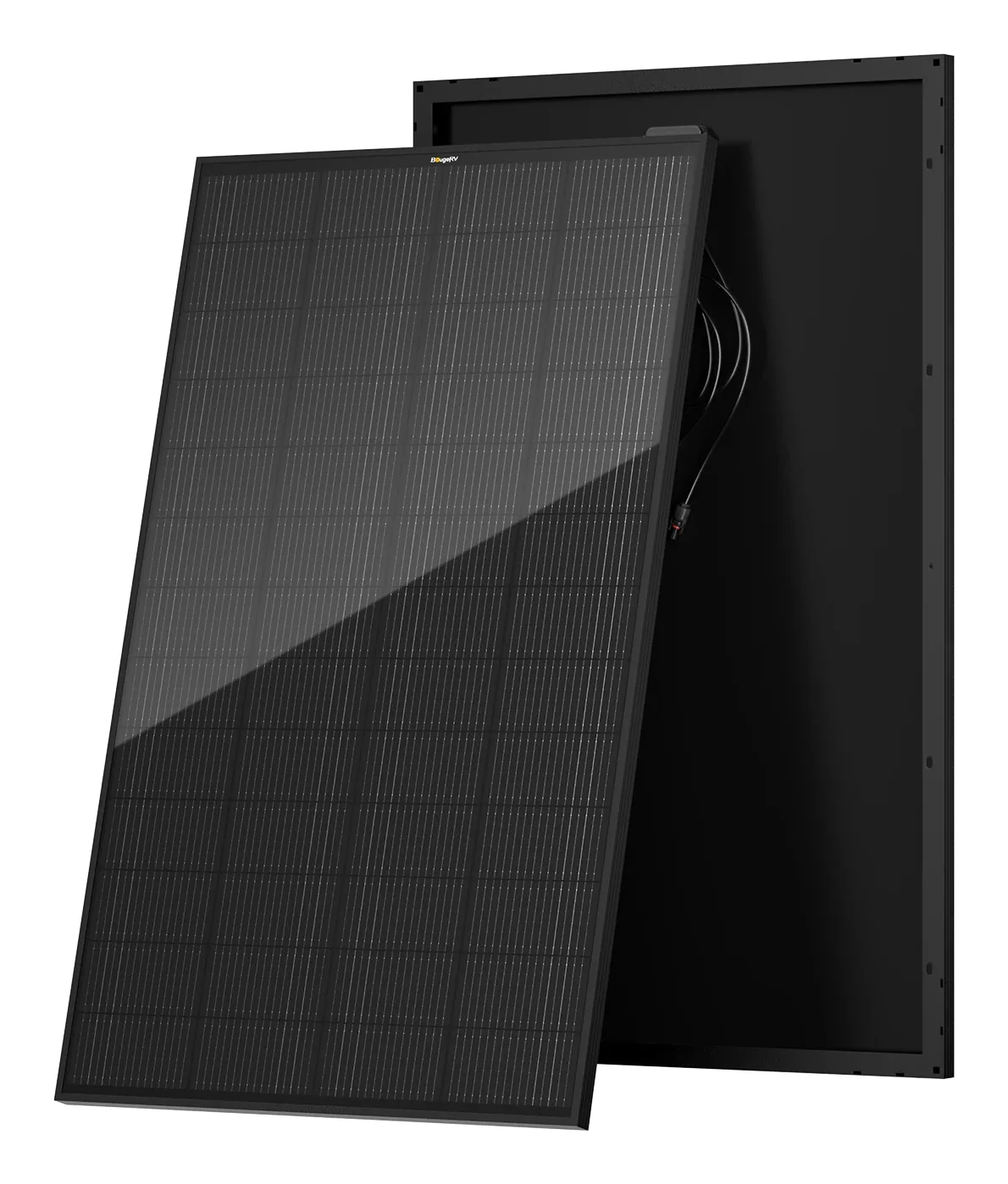
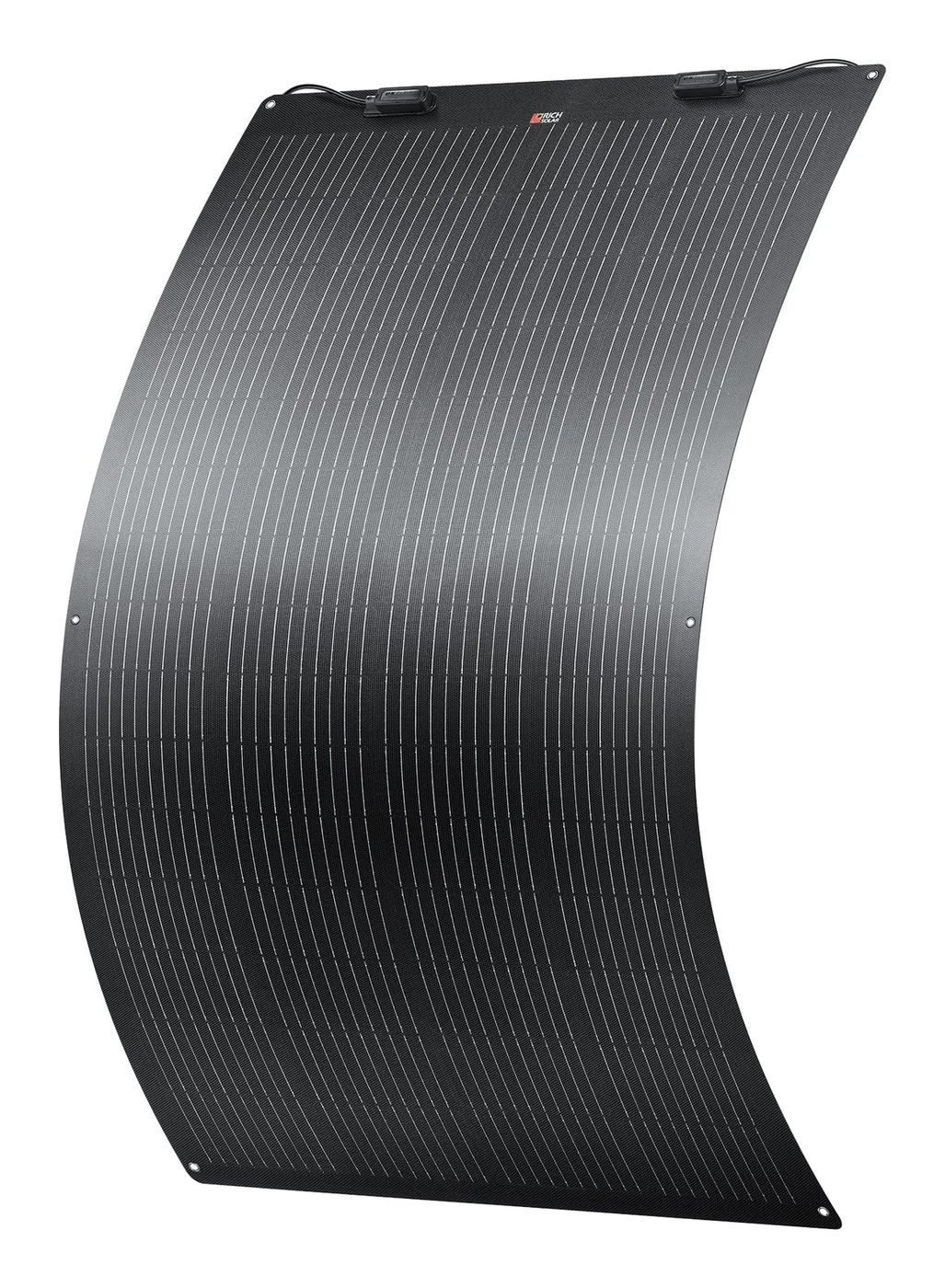
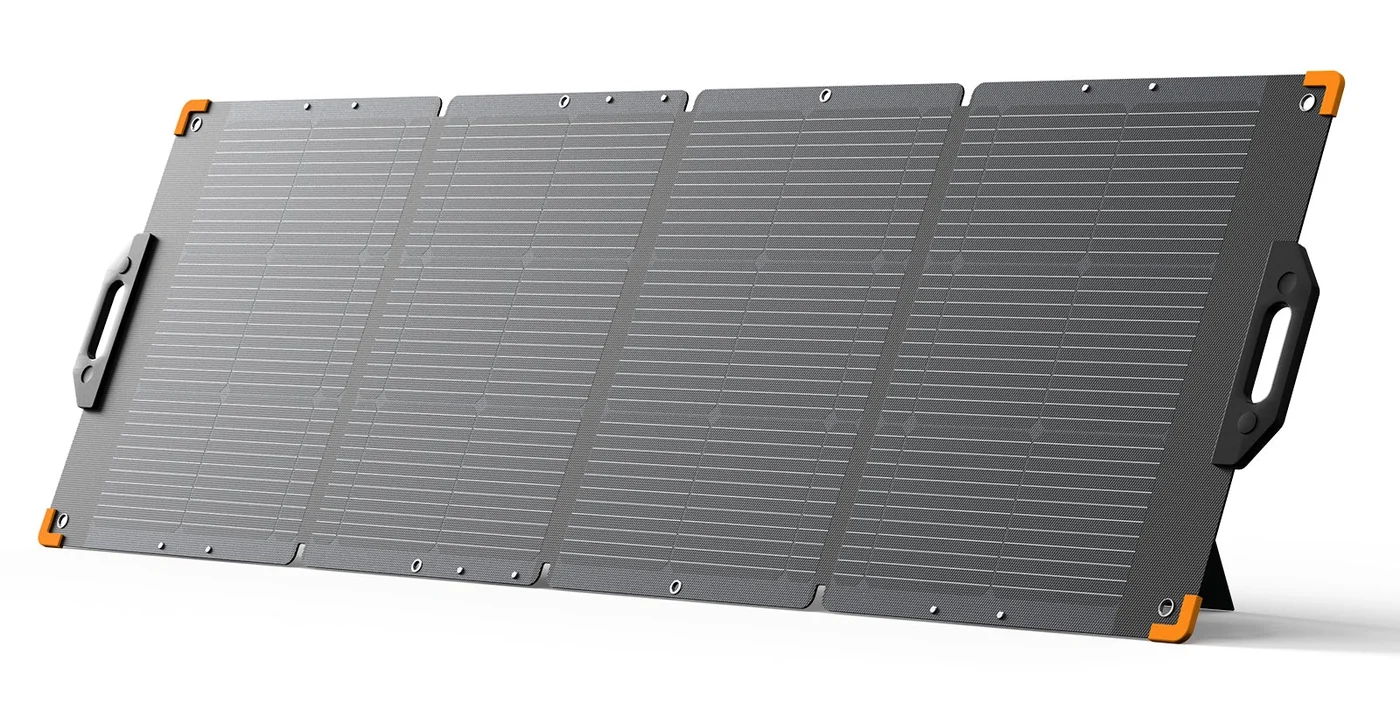
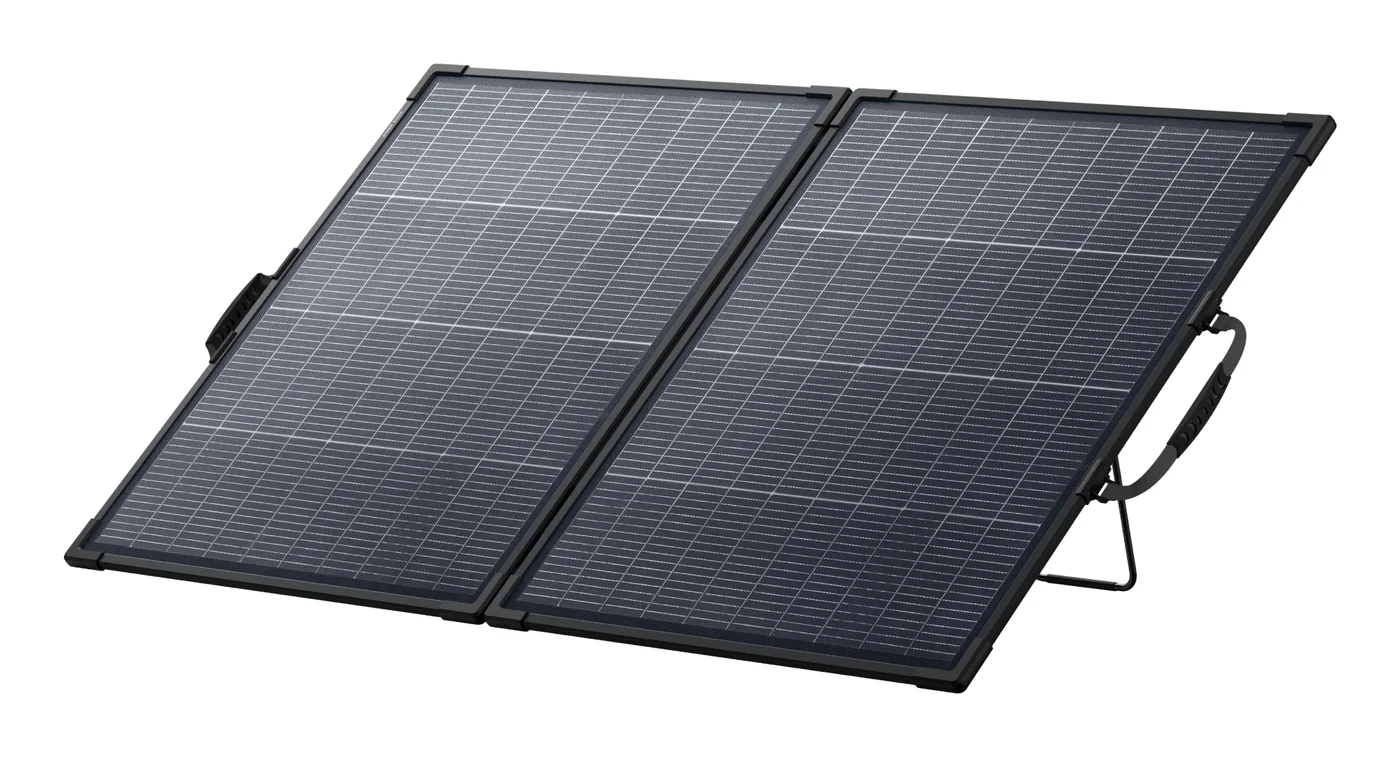
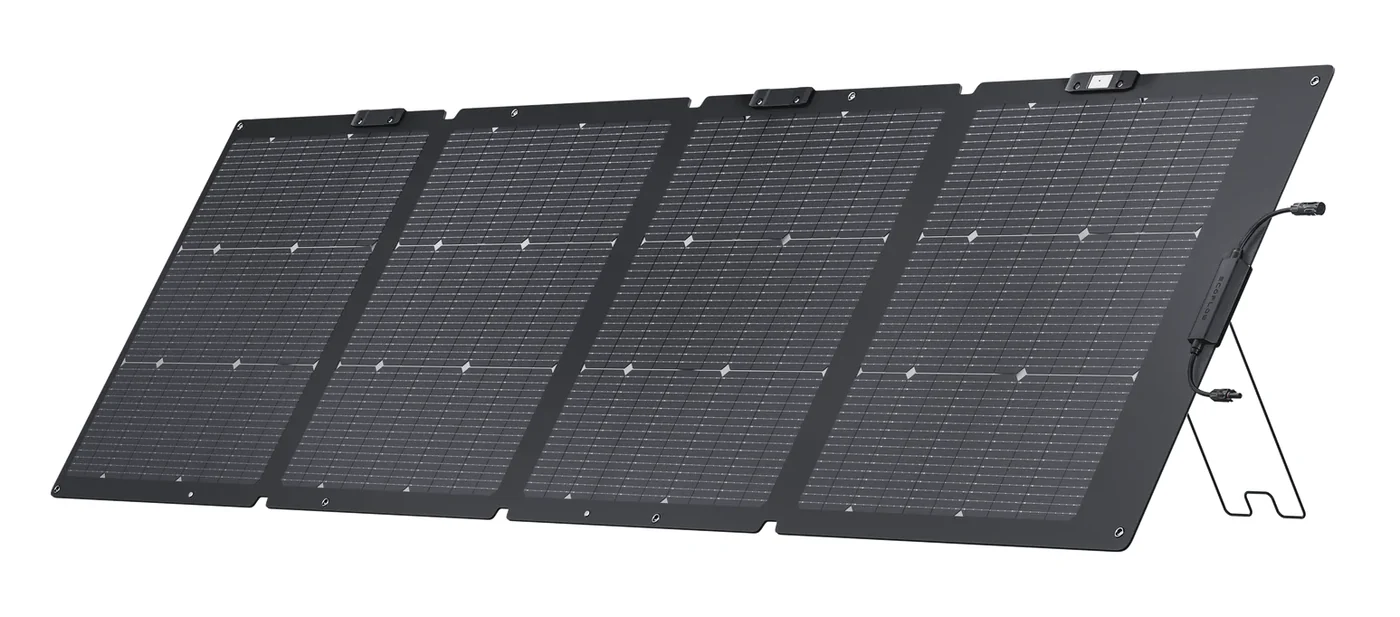
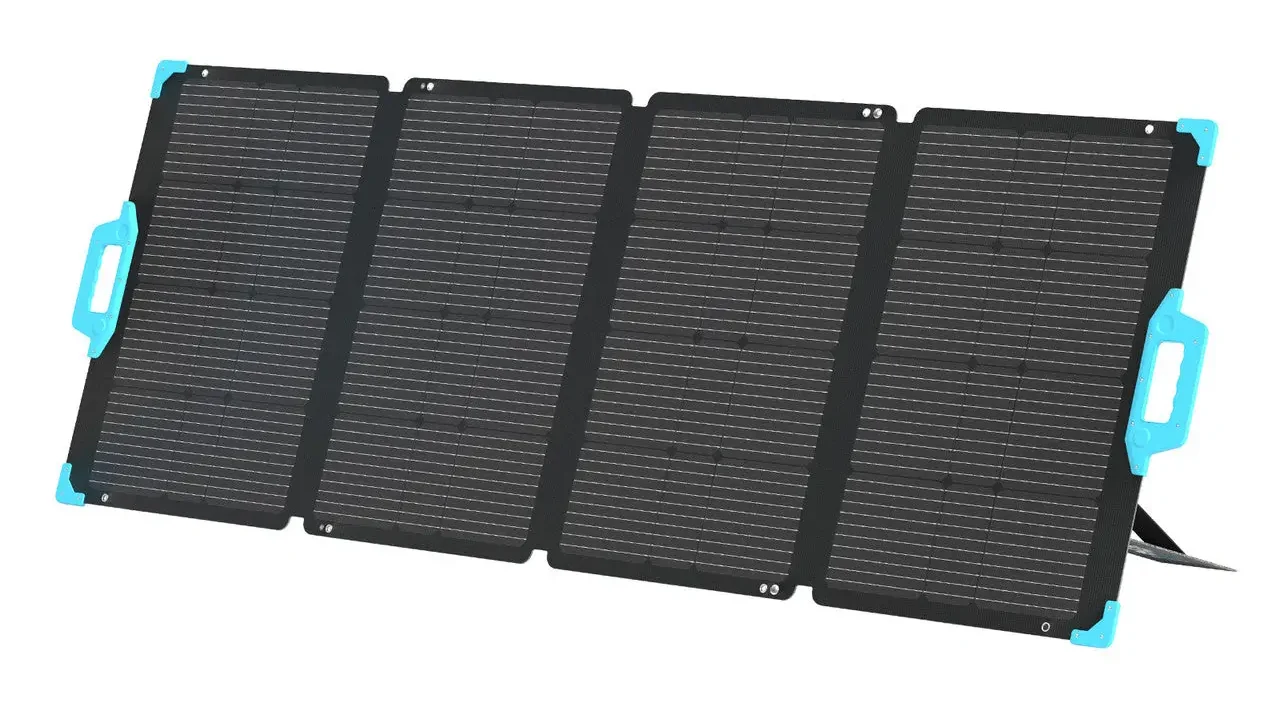
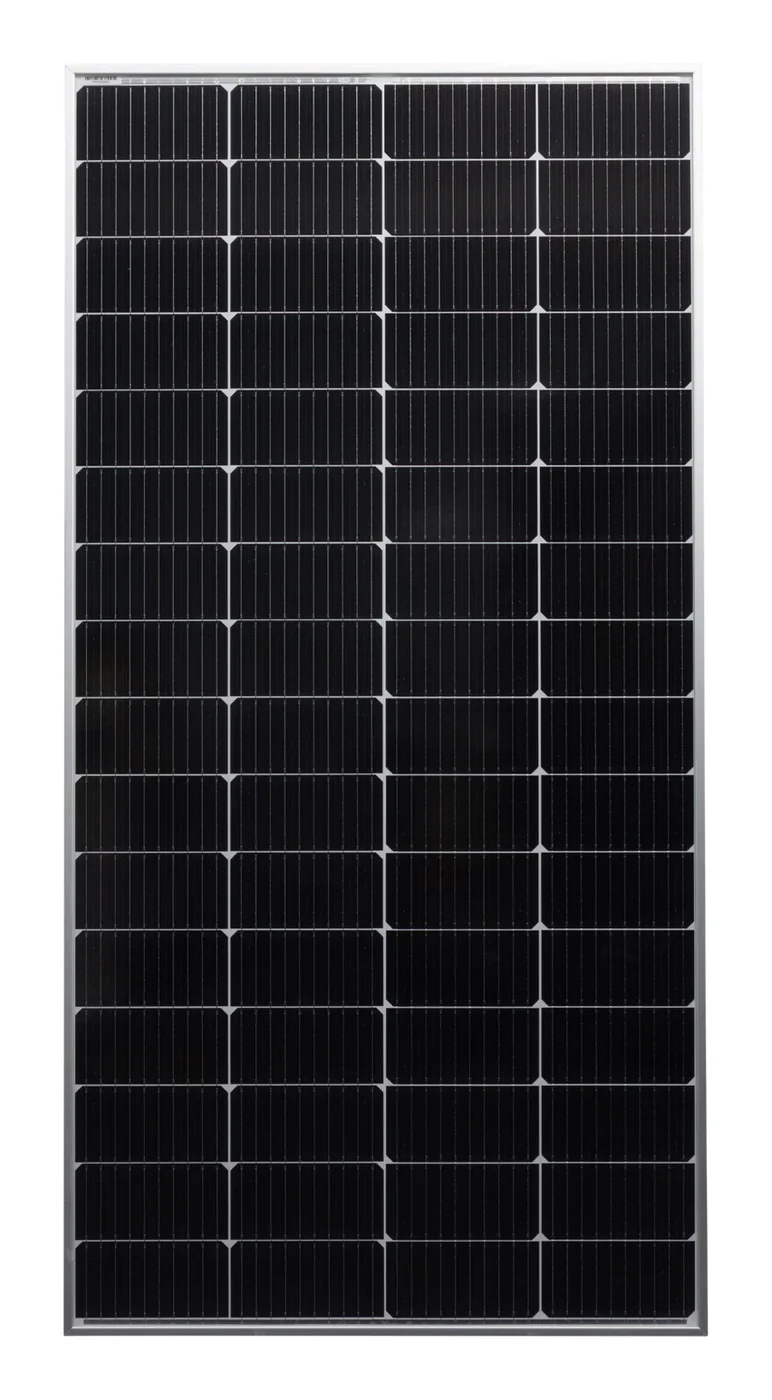
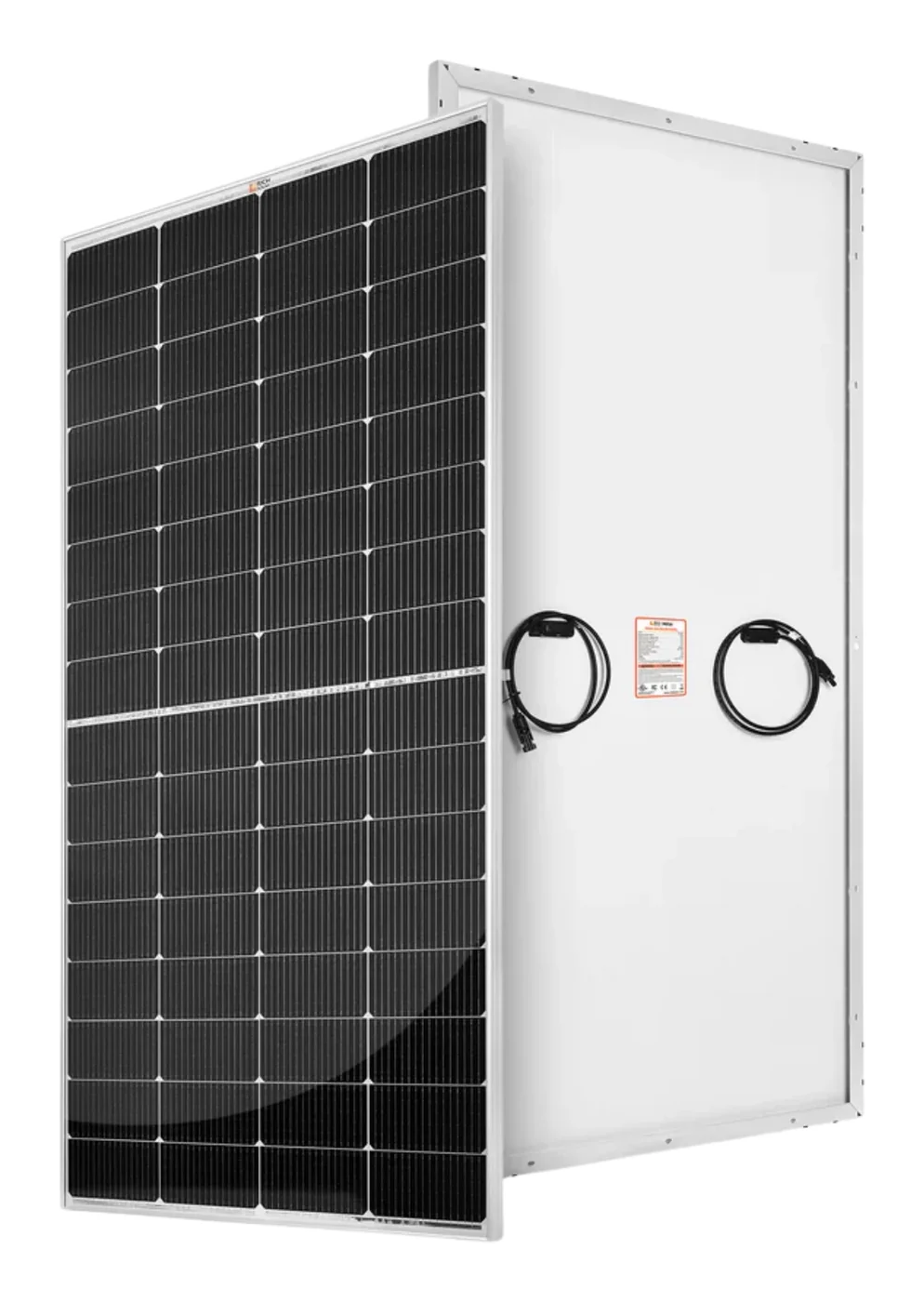
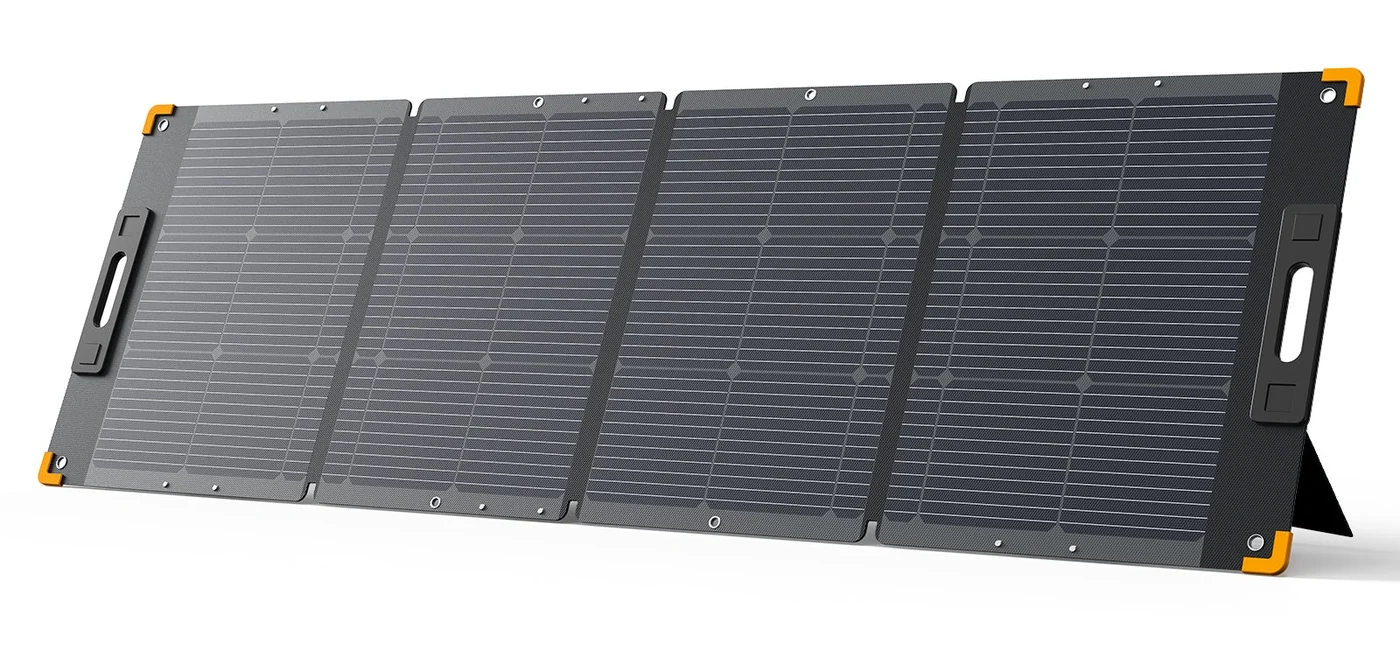
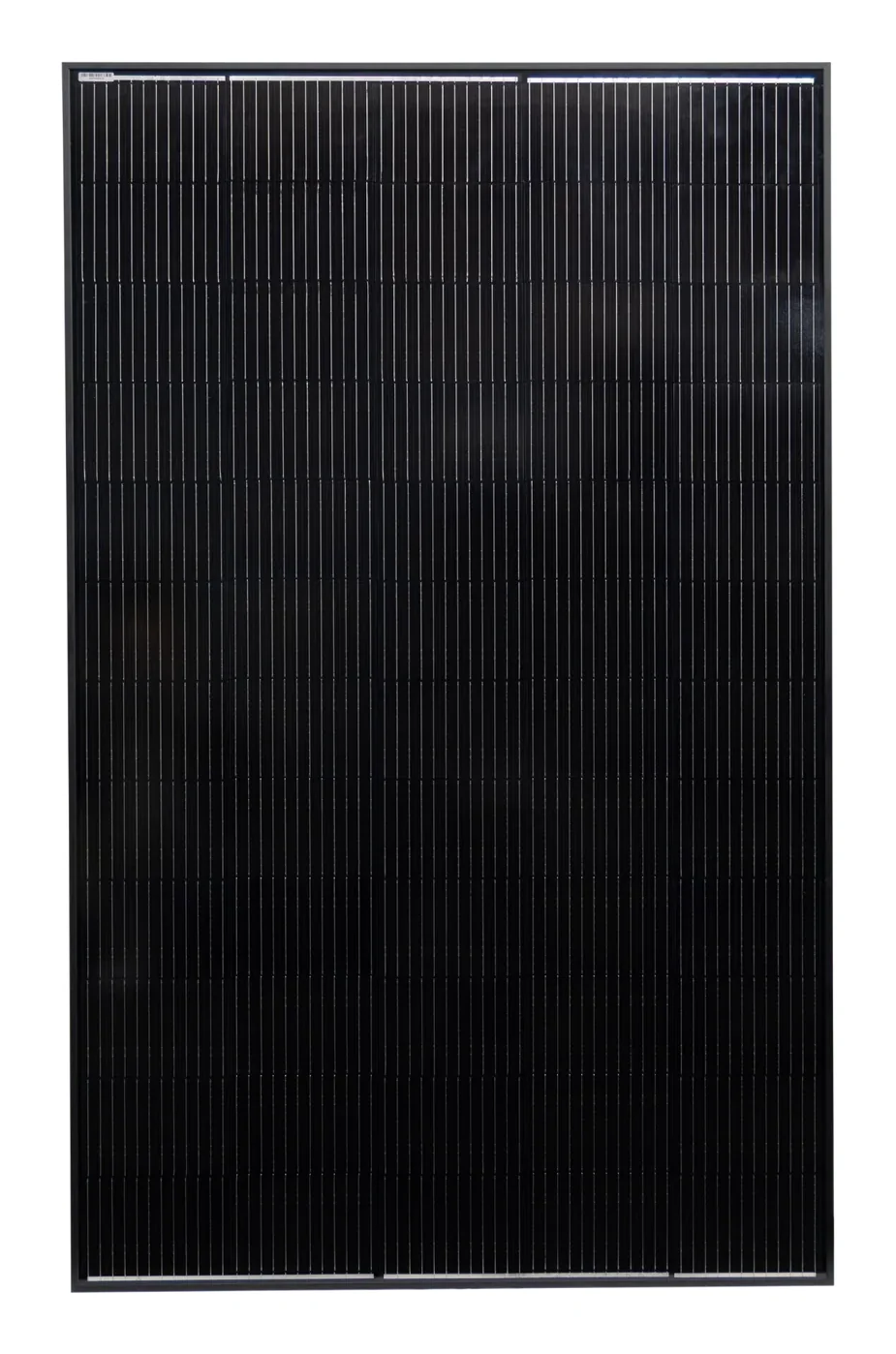
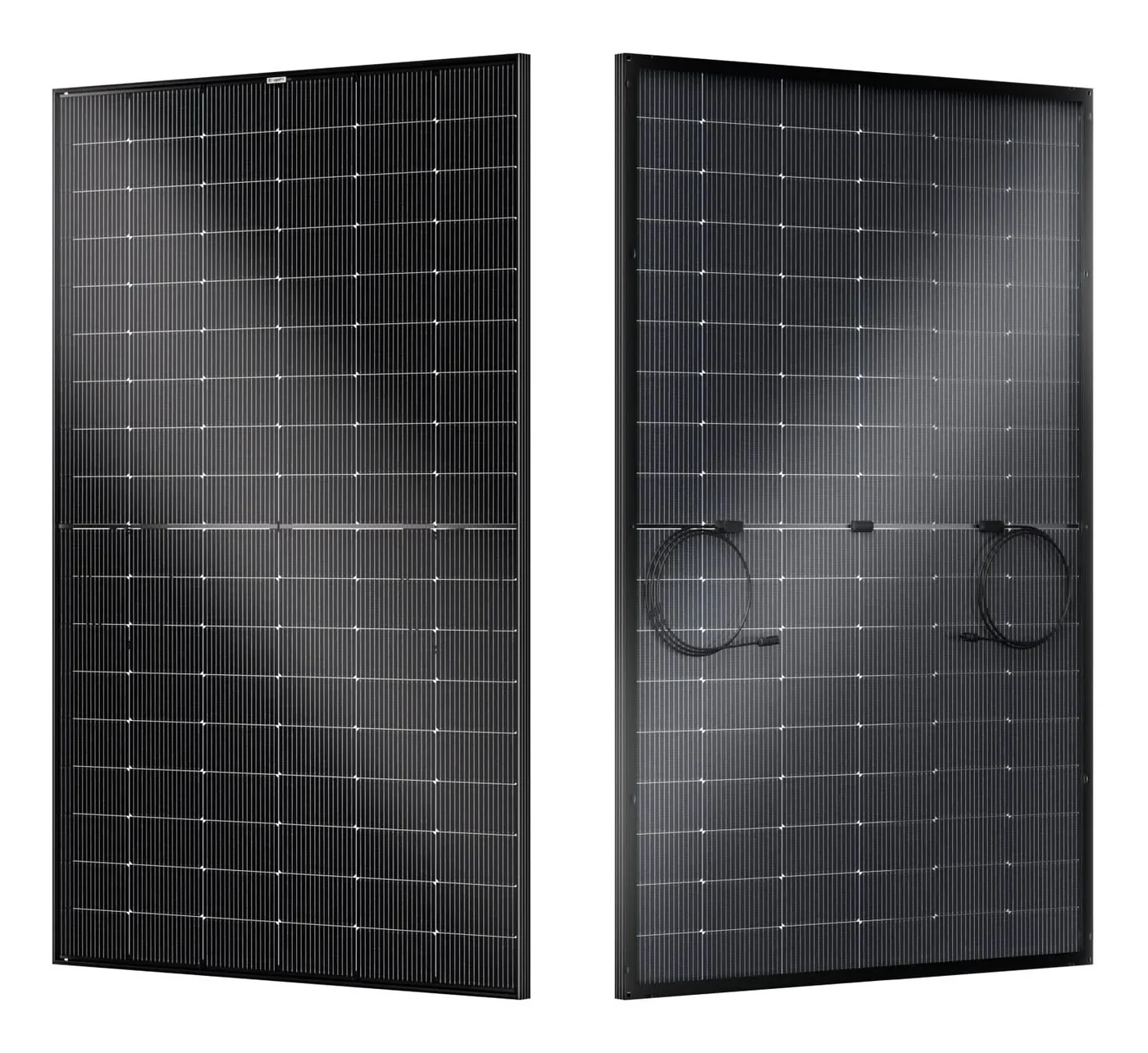
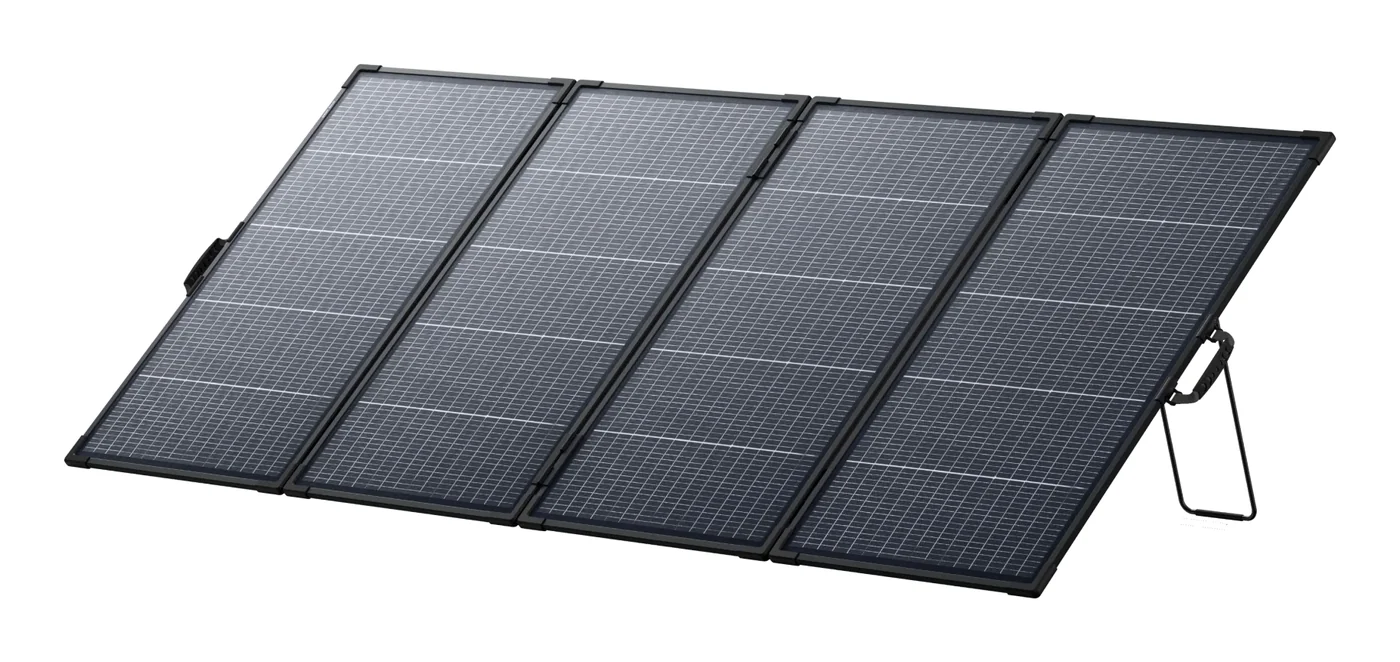
Figures are the manufacturers' published specifications; prices were observed at each maker's own store in September 2026 (the date is on each product page) and change often.
Rankings and comparisons
- The best-value solar panels for boats
- The best-value flexible solar panels for boats
- The best-value portable folding solar panels
- The best-value 100 W solar panels
- The best-value 200 W solar panels
- ACOPOWER vs Anker SOLIX solar panels
- ACOPOWER vs Battle Born solar panels
- ACOPOWER vs BougeRV solar panels
- ACOPOWER vs EcoFlow solar panels
- ACOPOWER vs Jackery solar panels
- ACOPOWER vs Renogy solar panels
- ACOPOWER vs Rich Solar solar panels
- Anker SOLIX vs Battle Born solar panels
- Anker SOLIX vs BougeRV solar panels
- Anker SOLIX vs EcoFlow solar panels
- Anker SOLIX vs Jackery solar panels
- Anker SOLIX vs Renogy solar panels