
Work out your daily energy use in watt-hours, divide by the sun-hours you can count on, then add about a third for losses and partial shade. That is the panel wattage to aim for. Size the charge controller for the panels' output current at your battery voltage.
- Panel watts ≈ daily Wh ÷ sun-hours × 1.3
- A panel's real output on a boat is often 60–80% of its rating (heat, angle, shade)
- Controller amps ≈ total panel watts ÷ battery voltage × 1.25
- MPPT controllers recover more energy than PWM from panels with higher voltage
1. Start from what you use
List what runs off the batteries and for how long: a 12 V fridge averaging 2 A all day uses about 580 Wh; LED lights, electronics and phone charging often add 200–400 Wh on a cruising boat. Our power budget calculator adds it up.
2. Convert to panel watts
Divide daily Wh by the peak-sun-hours for your cruising grounds (around 4–5 in summer at mid-latitudes, fewer in winter) and allow about 30% for losses. 800 Wh ÷ 4.5 h × 1.3 ≈ 230 W of panels.
Across the 36 panels of 50 W and up we cover, the median observed price is $1.41 per rated watt.
3. Rigid, flexible or portable
| Type | Panels we cover | Median watts per pound |
|---|---|---|
| Rigid framed | 14 | 8.4 |
| Flexible | 10 | 19.3 |
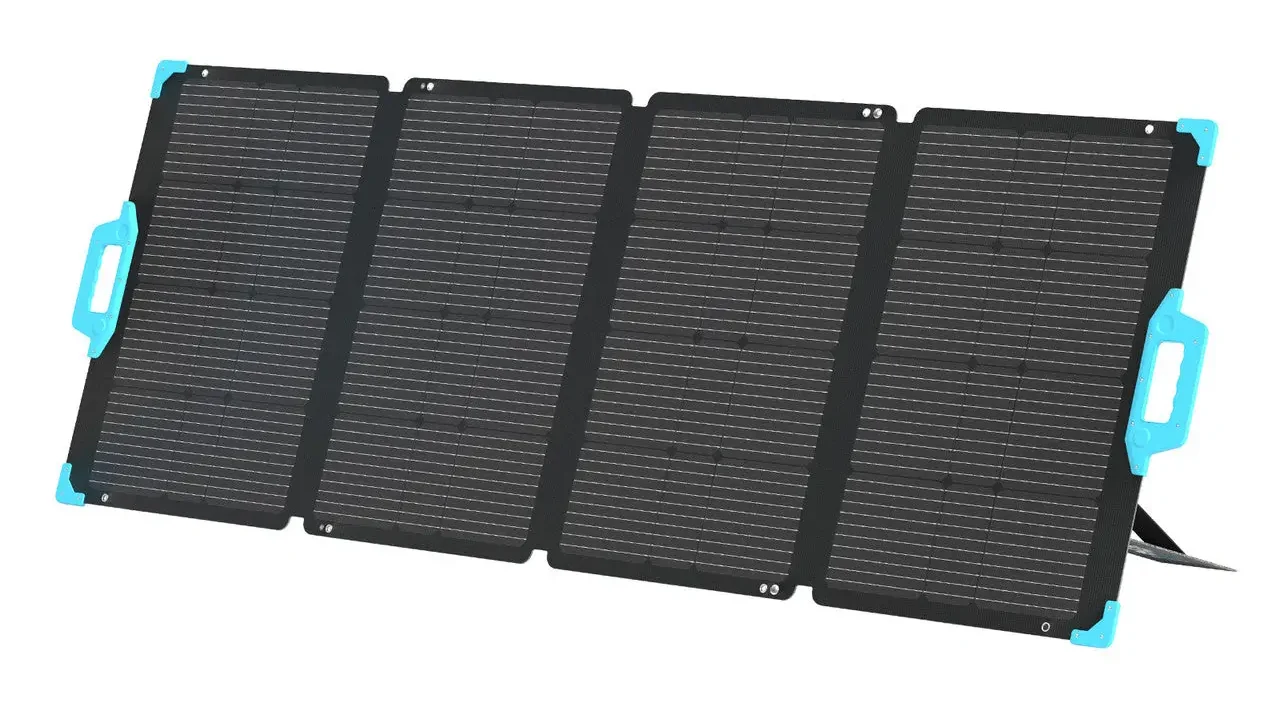
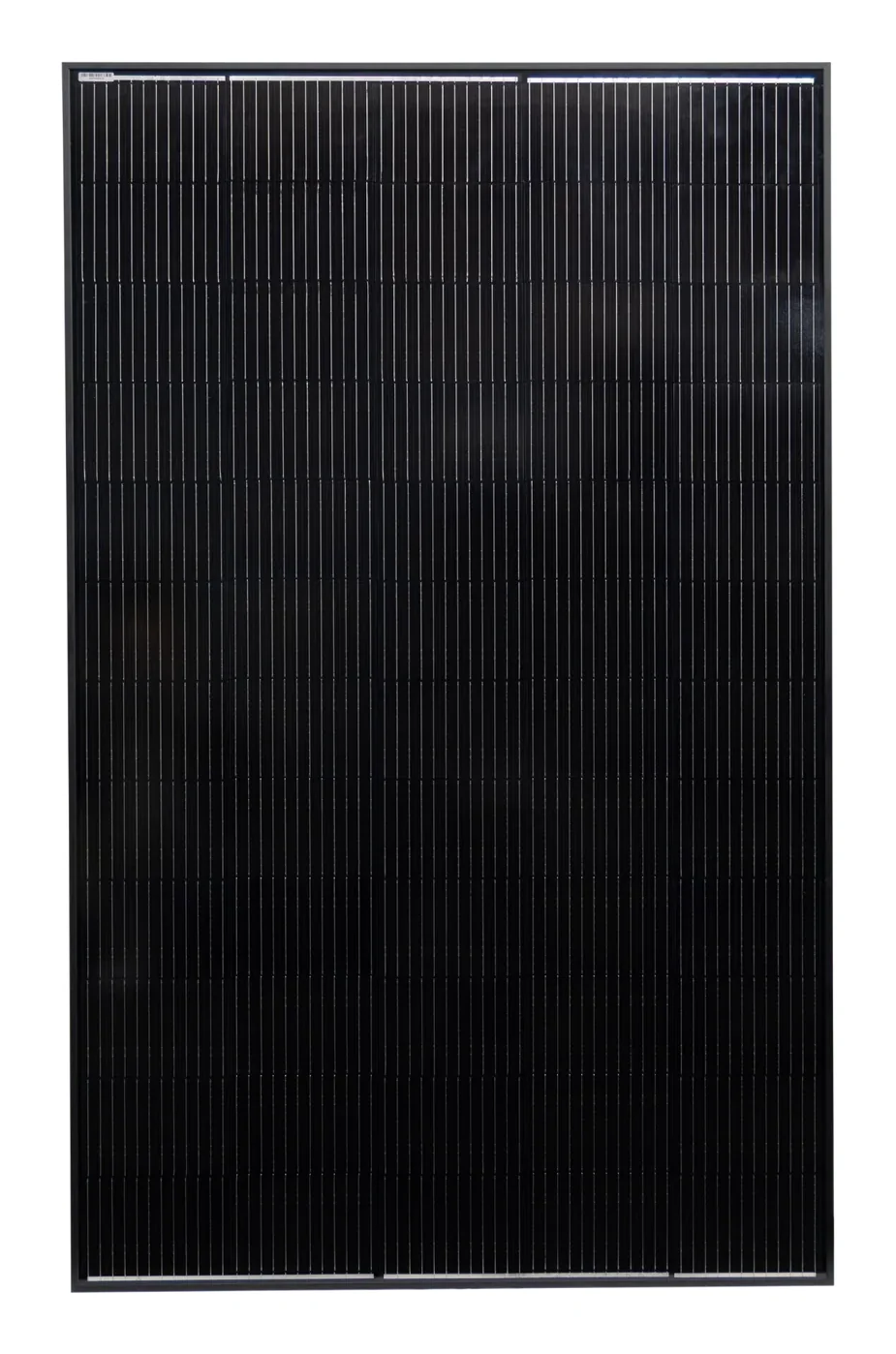
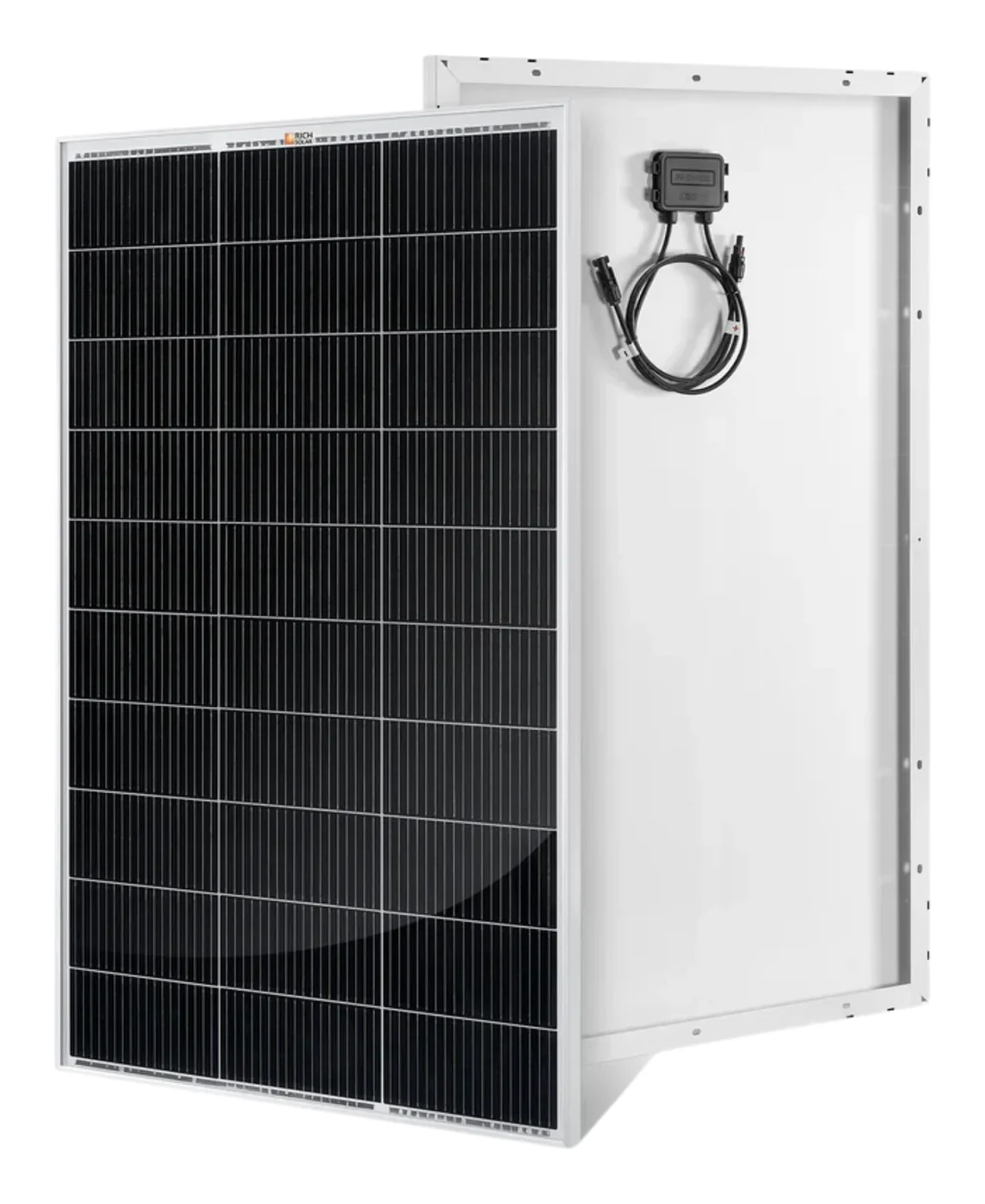
Flexible panels are several times lighter per watt and follow curved decks and biminis, but run hotter on a flat surface and generally carry shorter warranties. Rigid panels on an arch or hardtop last longest and stay cooler.
4. Size the controller
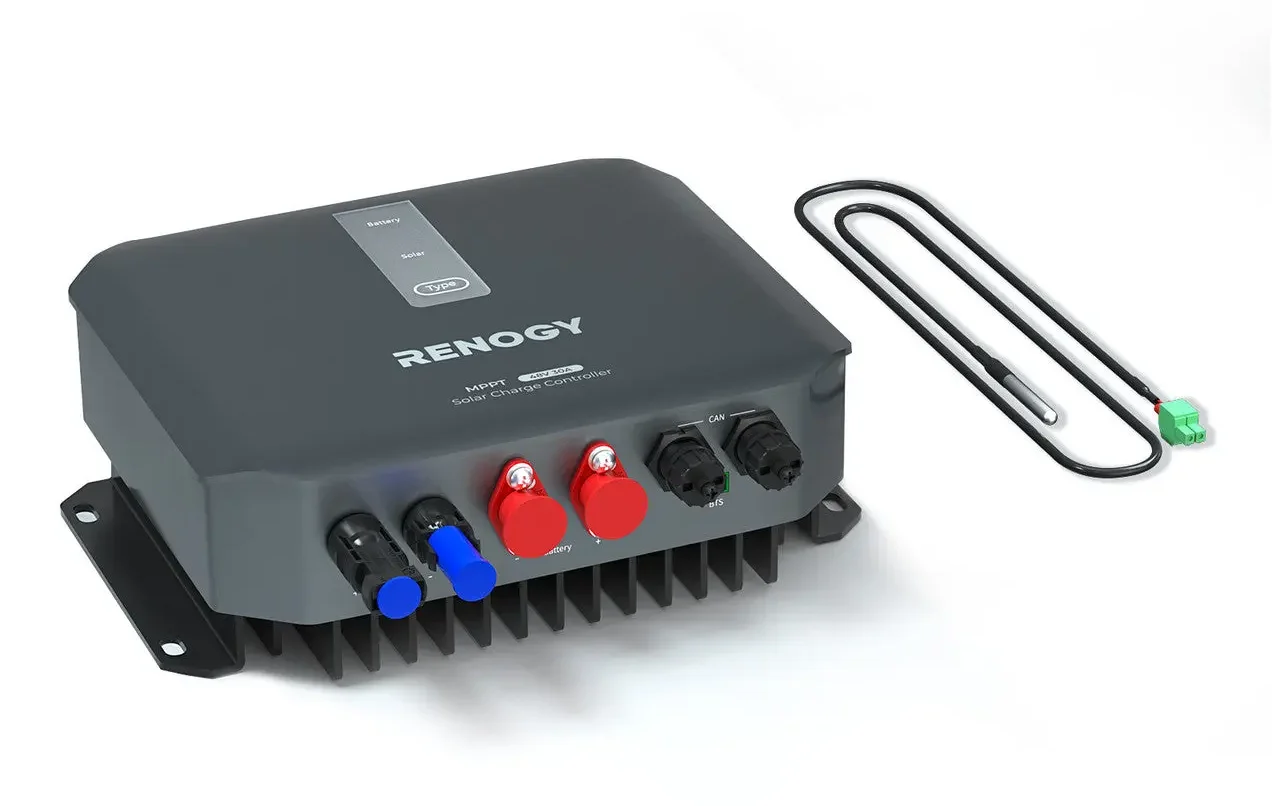
Divide total panel watts by battery voltage and add 25%: 400 W on a 12 V bank needs about a 40 A controller. Check that the panels' open-circuit voltage in series stays below the controller's maximum PV voltage on a cold morning.
5. A worked example
A weekend sailboat runs a 12 V fridge, LED lights, a chartplotter and phone charging. Here is the arithmetic from use to panel watts.
| Step | Calculation | Result |
|---|---|---|
| Daily use | Fridge 40 Ah + lights 5 Ah + plotter 15 Ah + charging 5 Ah | 65 Ah a day at 12 V (about 780 Wh) |
| Peak sun hours | Typical summer coastal figure | About 4 to 5 hours |
| Panel watts | 780 Wh ÷ 4.5 h ÷ 0.75 (real-world losses) | About 230 W of panels |
| Battery bank | Two days of use with lithium at about 80% usable | About 160 Ah |
Common mistakes
- Sizing from panel ratings alone; panels rarely deliver their full rating on a boat.
- Ignoring shade from booms, rigging, radar arches and biminis.
- Using a cheap PWM controller with high-voltage panels; MPPT controllers recover more energy.
- Undersizing the battery bank, so sunny-day surplus is wasted.
- Thin wiring between panels and controller, losing power to voltage drop.
Compare panels in flexible solar panels for boats.
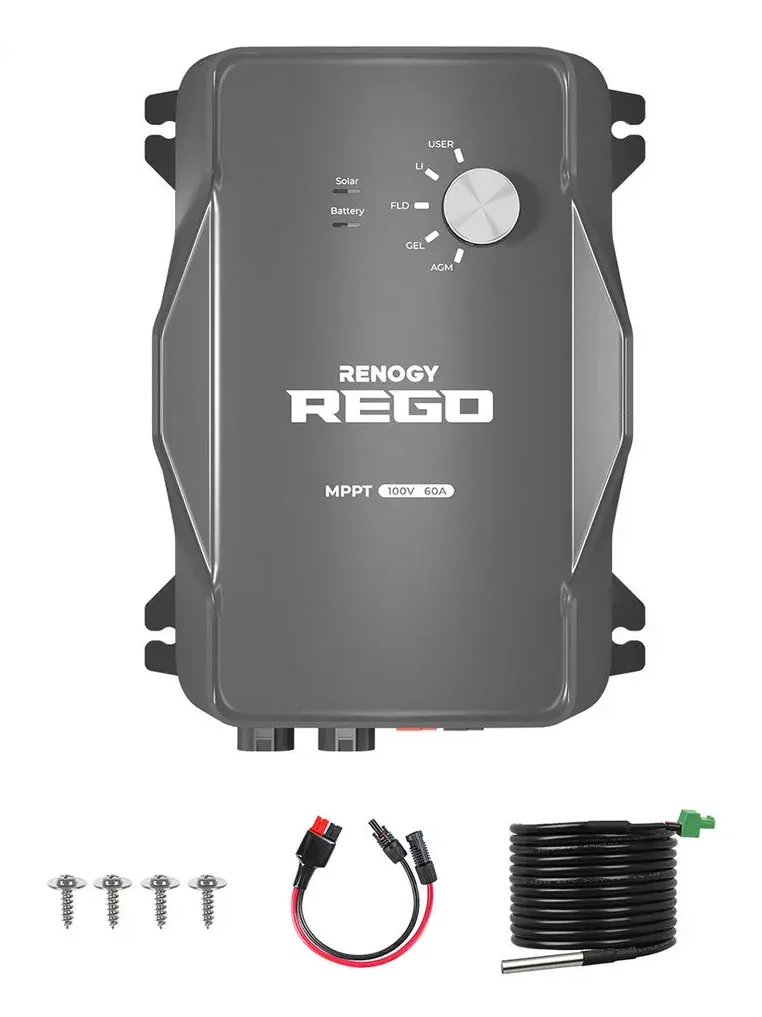
Products referenced in this guide
Questions readers ask
How many solar watts does a boat need?
Is 100W of solar enough for a boat?
MPPT or PWM controller for a boat?
How do I reduce shading losses on a sailboat?
Sources
- Renogy — Renogy E.Flex 220W Portable Solar Panel — product page and specifications Retrieved 23 Sep 2026
- Battle Born — Battle Born Elite 375W 24V Rigid Solar Panel — product page and specifications Retrieved 23 Sep 2026
- Rich Solar — Rich Solar MEGA 150W 12V Solar Panel — product page and specifications Retrieved 23 Sep 2026
- Renogy — Renogy REGO 30A MPPT Solar Charge Controller (12–48V) — product page and specifications Retrieved 23 Sep 2026
- Renogy — Renogy REGO 12V 60A MPPT Solar Charge Controller — product page and specifications Retrieved 23 Sep 2026