
LiFePO4 batteries can discharge in the cold but must not be charged below about 0 °C (32 °F) — doing so plates lithium and damages the cells. Self-heating batteries warm themselves from the charging current before accepting charge, so they can be charged safely in early-season and late-season cold.
- Discharging in the cold is fine; charging below freezing is not
- Most batteries' management systems block cold charging — some simply refuse
- Heated batteries use charger current to warm first
- Storage in a heated space or removal over winter still helps
Why the cold matters
At low temperature the lithium ions cannot enter the anode fast enough during charging and deposit as metal instead, permanently reducing capacity. Battery-management systems usually block charging below a threshold listed in each battery's specifications.
Heated batteries we cover
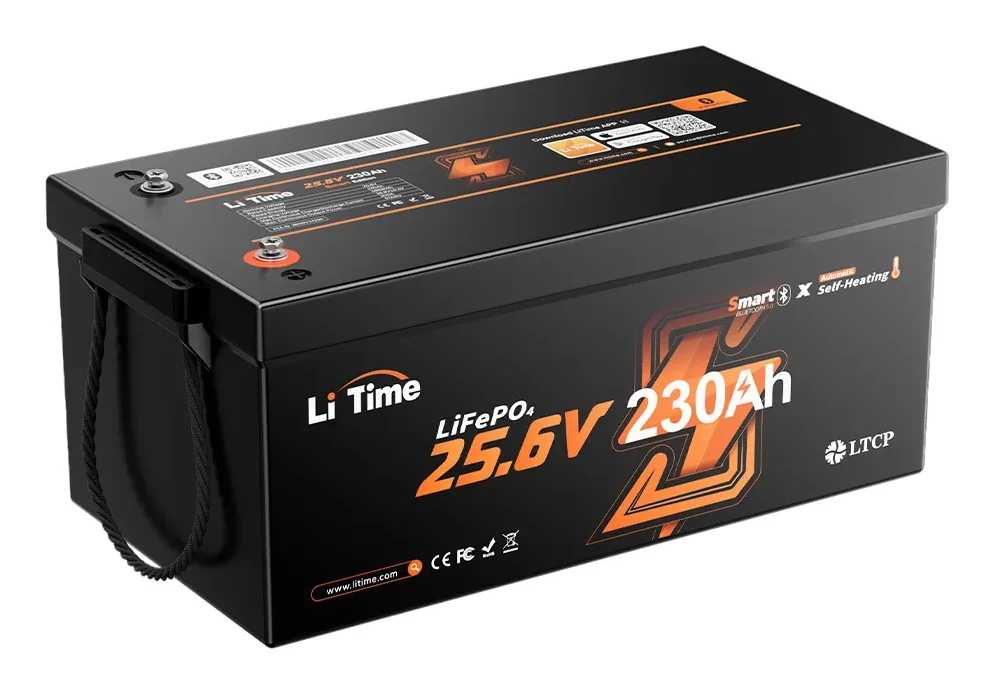
- LiTime LiHeat 24V 230Ah Self-Heating Battery — 230 Ah, $181/kWh
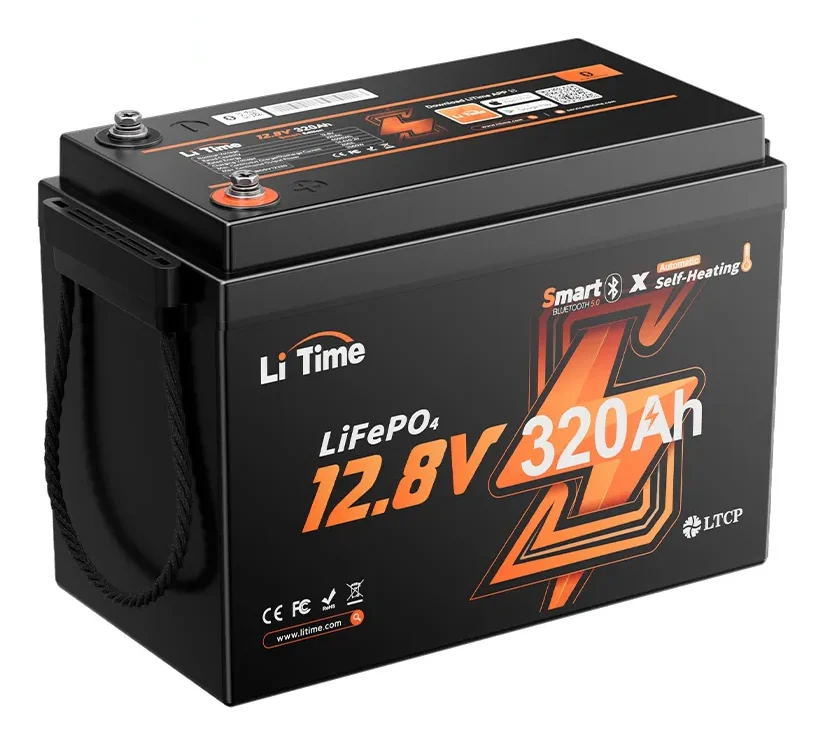
- LiTime LiHeat 12V 320Ah Mini Self-Heating Battery — 320 Ah, $189/kWh
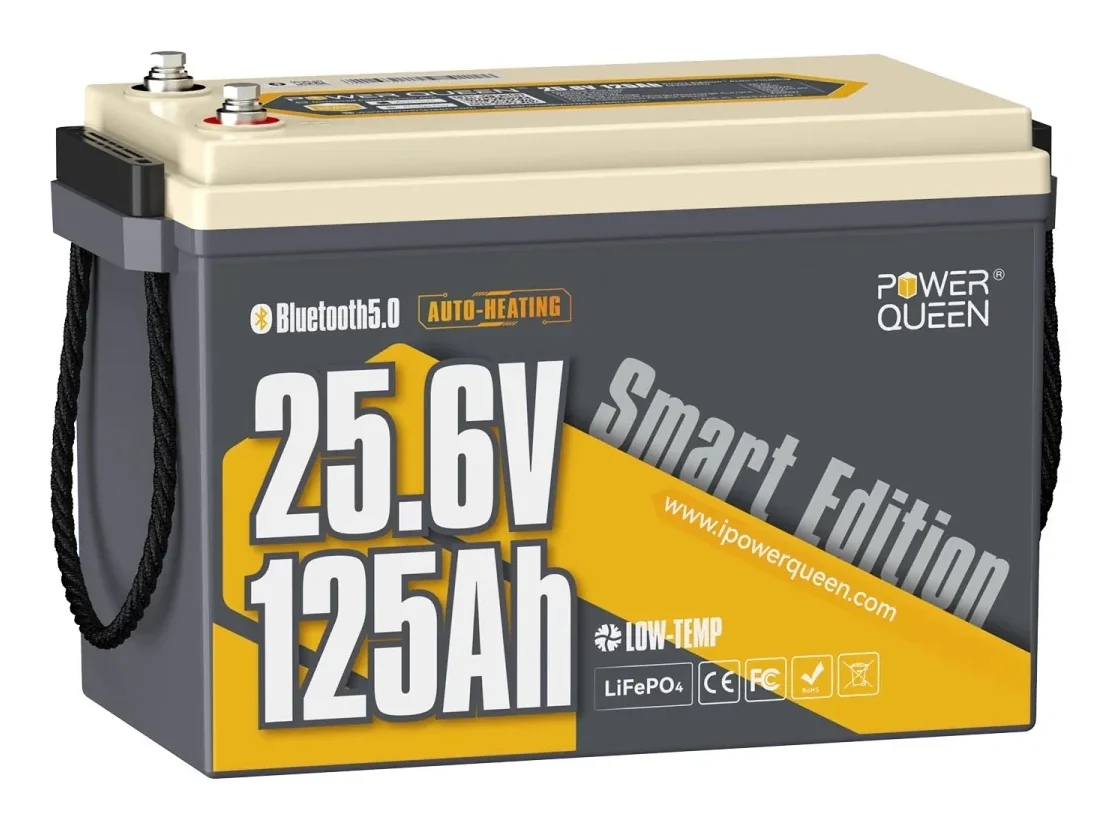
- Power Queen 24V 125Ah Trolling Motor Battery — 125 Ah, $191/kWh
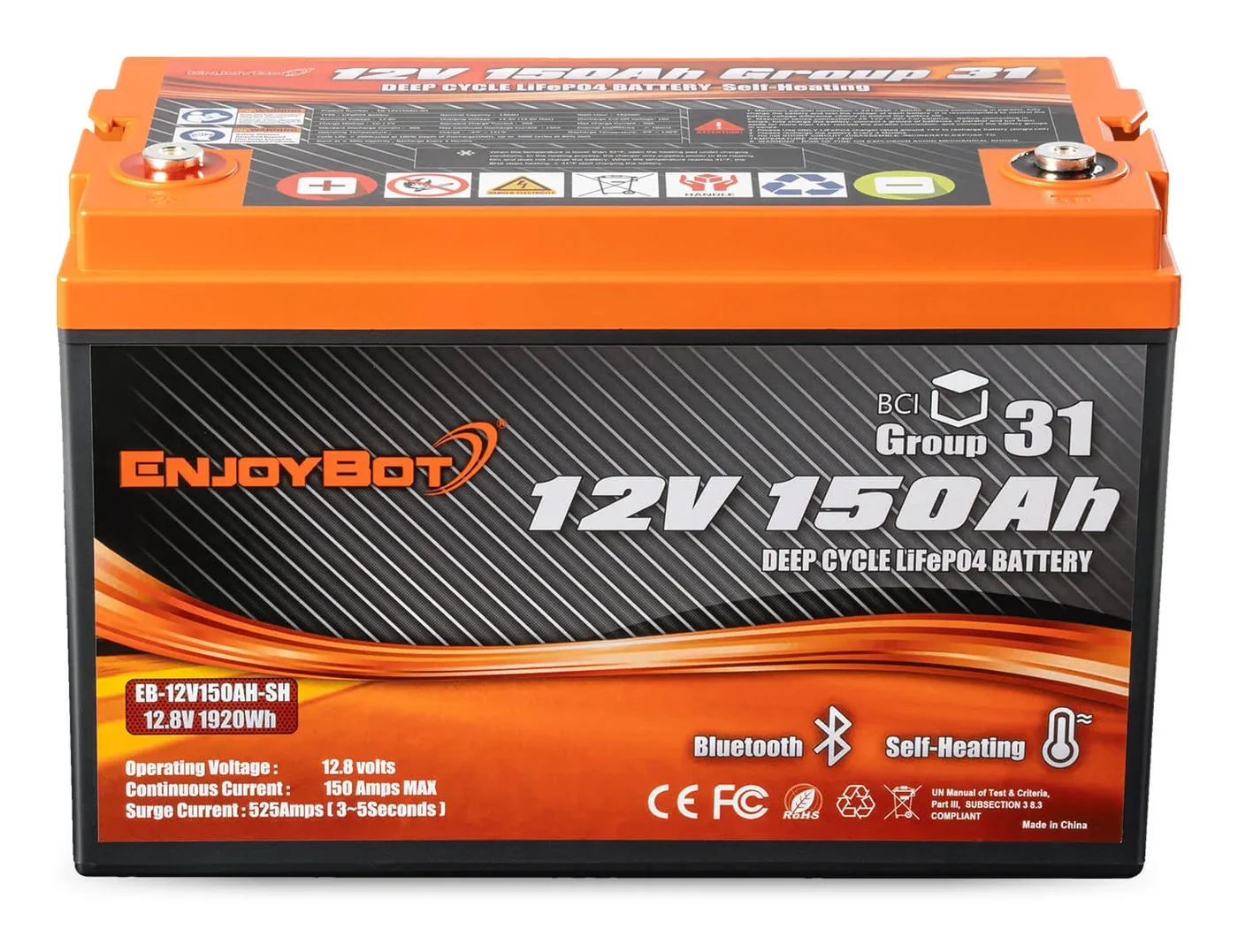
- Enjoybot 12V 150Ah Group 31 LiFePO4 Battery (Self-Heating) — 150 Ah, $201/kWh
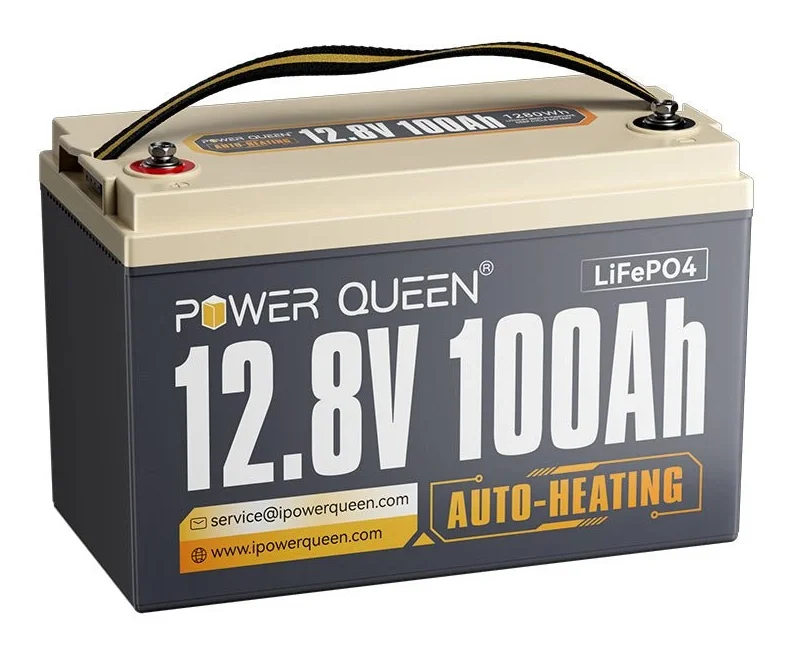
- Power Queen 12V 100Ah Self-Heating Deep Cycle Battery — 100 Ah, $211/kWh
- Redodo 12V 100Ah Self-Heating Battery — 100 Ah, $219/kWh
- LiTime 16V 100Ah Fish Finder Battery — 100 Ah, $225/kWh
- LiTime LiHeat 12V 165Ah Self-Heating Battery — 165 Ah, $227/kWh
Practice in cold seasons
If your battery is not heated, charge it in a warm space or wait until it is above freezing. For boats on lifts or moorings with solar charging through cold nights, a heated battery avoids blocked or damaging charges.
LiFePO4 temperature limits
Lithium iron phosphate (LiFePO4) batteries can deliver power in cold weather, but charging them below freezing can cause lithium plating inside the cells, which permanently reduces capacity and can create a safety risk. That is why the battery management system (BMS) in most marine lithium batteries blocks charging below about 32°F (0°C).
| Activity | Typical limit for LiFePO4 | What happens beyond it |
|---|---|---|
| Charging | Above about 32°F (0°C) | BMS blocks charging, or the cells are damaged without protection |
| Discharging | Down to about −4°F (−20°C) | BMS cuts output; capacity is reduced in the cold |
| Storage | Roughly −4°F to 140°F (−20°C to 60°C) | Check the maker's range; store partly charged |
How self-heating batteries work
A self-heating battery has heating pads around the cells. When a charger is connected and the cells are below freezing, the BMS routes charging current to the heaters first, warms the cells above the safe threshold, then starts charging normally. It uses some charge energy, so cold-weather charging takes longer.
- Choose self-heating models if you charge in freezing conditions: early spring, late fall or ice fishing.
- Insulated battery boxes reduce how often heaters need to run.
- Self-heating does not help discharge in extreme cold; the battery still delivers less capacity when very cold.
Products referenced in this guide
Questions readers ask
Can you charge a lithium battery below freezing?
Do self-heating lithium batteries work for ice fishing?
Can I use a lithium battery in cold weather?
Does the heater drain the battery?
Sources
- LiTime — LiTime LiHeat 24V 230Ah Self-Heating Battery — product page and specifications Retrieved 23 Sep 2026
- LiTime — LiTime LiHeat 12V 320Ah Mini Self-Heating Battery — product page and specifications Retrieved 23 Sep 2026
- Power Queen — Power Queen 24V 125Ah Trolling Motor Battery — product page and specifications Retrieved 24 Sep 2026
- Enjoybot — Enjoybot 12V 150Ah Group 31 LiFePO4 Battery (Self-Heating) — product page and specifications Retrieved 24 Sep 2026
- Power Queen — Power Queen 12V 100Ah Self-Heating Deep Cycle Battery — product page and specifications Retrieved 24 Sep 2026