
Start with the motor's voltage — 12, 24 or 36 V — which decides how many 12 V batteries go in series, or which single lithium battery replaces them. Then check that each battery's continuous discharge rating is at least the motor's published maximum draw. Only then size capacity for the hours you fish.
- Voltage: 12 V = one battery; 24 V = two in series (or one 24 V); 36 V = three (or one 36 V)
- Every battery's continuous rating ≥ the motor's maximum amp draw
- Runtime at full power ≈ battery Ah ÷ maximum draw; real days run far longer at part throttle
- Lithium must be charged with a lithium profile; mixed old and new batteries in a string should be avoided
1. Match the motor's voltage
Trolling motors are built for one system voltage, or a switchable 24/36 V pair on Minn Kota's QUEST models. With lead-acid or 12 V lithium batteries, you reach 24 or 36 V by wiring two or three identical batteries in series. A single 24 V or 36 V lithium battery does the same job with one set of terminals and one charger connection.
Series strings must use identical batteries of the same age and capacity, and each battery needs its own bank on a multi-bank charger — or a lithium charger built for the string voltage.
2. Check continuous discharge against maximum draw
The motor's maximum amp draw is the current at full speed. Every battery in the string must deliver it continuously, or its battery-management system may cut power at the worst moment. Minn Kota publishes the figure for each motor; across the motors we cover it looks like this:
| System | Thrust | Max draw published | Motors |
|---|---|---|---|
| 12 V | 45 lb | 42 A | 5 |
| 12 V | 50 lb | 42 A | 2 |
| 12 V | 55 lb | 50 A | 17 |
| 24 V | 70 lb | 42 A | 12 |
| 24 V | 80 lb | 56 A | 14 |
| 36 V | 112 lb | 52 A | 10 |
| 24/36 V | 115 lb | 58 A–60 A | 8 |
A lithium battery rated 100 A continuous covers every 12 V motor in the table. Some compact 24 V and 36 V lithium batteries are rated at 40–60 A, which is below the draw of an 80 lb or 112 lb motor — check the figure on each battery's page.
3. Size capacity for your day
Runtime at full power is roughly capacity ÷ maximum draw: a 100 Ah battery at 50 A lasts about two hours. Anglers rarely run at full power for long, and variable-speed motors draw far less at part throttle, so real days last much longer. Lithium also delivers nearly all of its rated capacity, where lead-acid should not be run below about half.
Value picks on our published figures
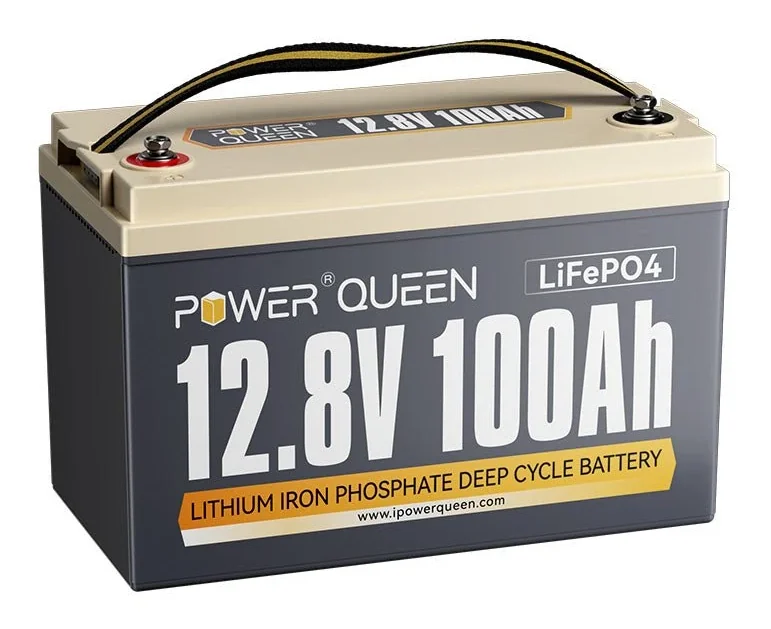
- Power Queen 12V 100Ah Group 31 Deep Cycle Battery — 12 V, 100 A continuous, $197/kWh
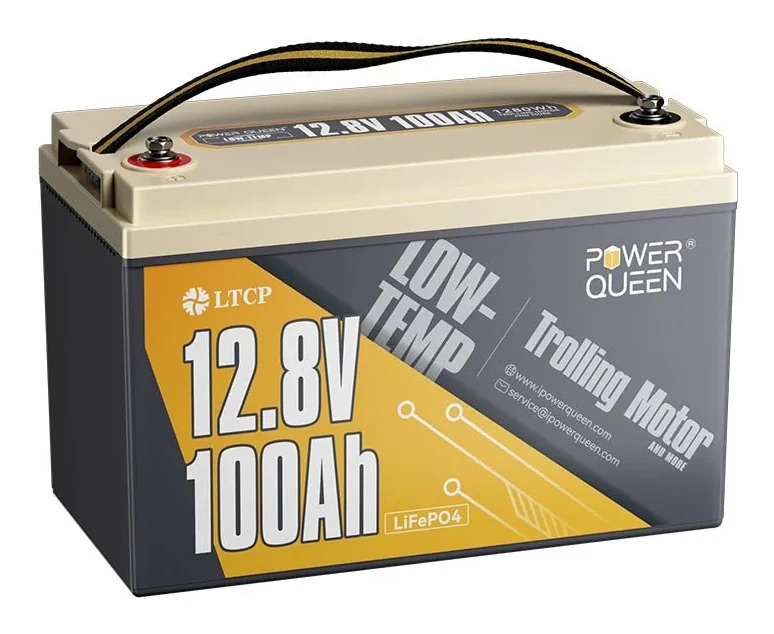
- Power Queen 12V 100Ah Low-Temp Deep Cycle Battery — 12 V, 100 A continuous, $197/kWh
- Power Queen 12V 100Ah Group 24 Deep Cycle Battery — 12 V, 100 A continuous, $200/kWh
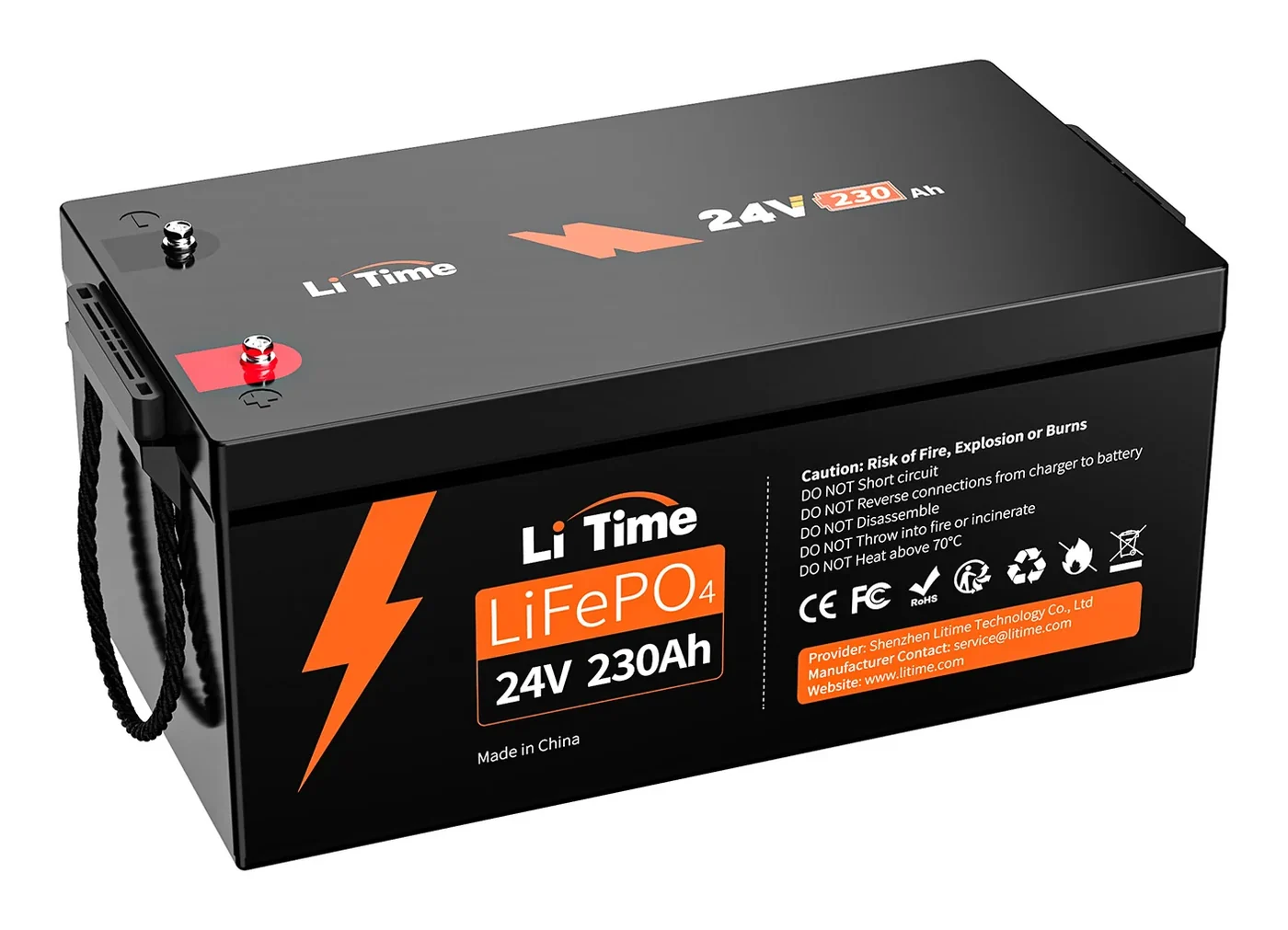
- LiTime 24V 230Ah Group 8D LiFePO4 Battery — 24 V single battery, 200 A continuous
- Power Queen 24V 100Ah Deep Cycle Battery — 24 V single battery, 100 A continuous
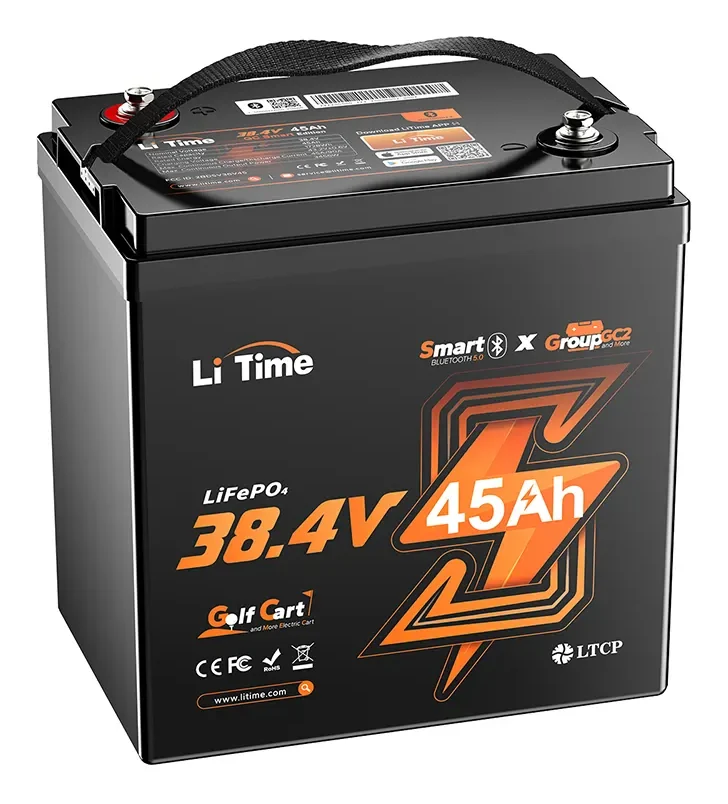
- LiTime 36V 45Ah Trolling Motor Battery — 36 V single battery, 90 A continuous
- Power Queen 36V 100Ah Smart Deep Cycle Battery — 36 V single battery, 100 A continuous
4. Charge it correctly
Use a charger with a lithium (LiFePO4) profile for lithium batteries, and one bank per battery for a series string. Minn Kota's Precision on-board chargers list lithium profiles; several are covered in our battery-charger comparisons.
Products referenced in this guide
Sources
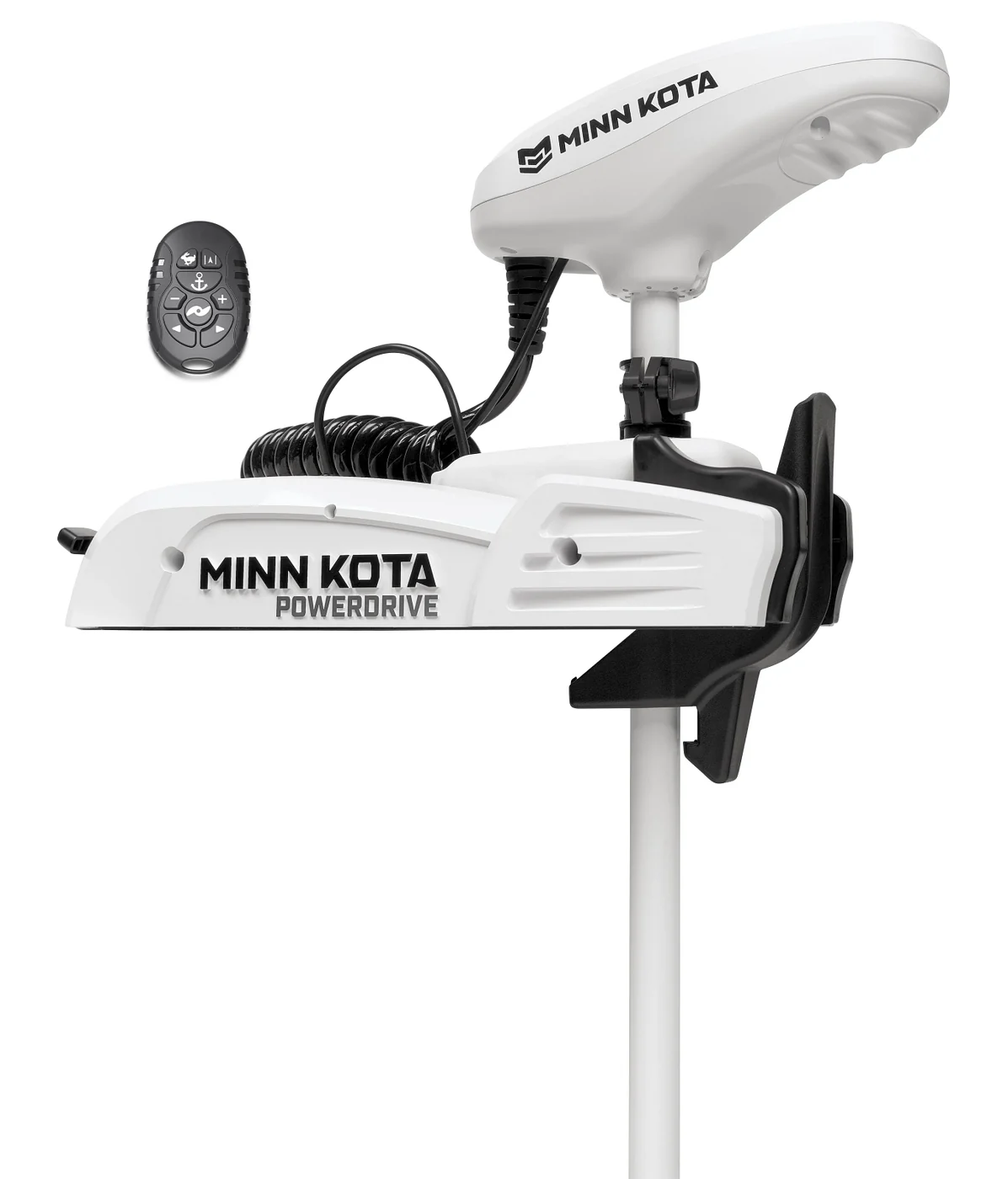
- Minn Kota — Minn Kota Riptide PowerDrive 70 lb, Micro Remote — product page and specifications Retrieved 23 Sep 2026
- Power Queen — Power Queen 12V 100Ah Group 31 Deep Cycle Battery — product page and specifications Retrieved 24 Sep 2026
- Power Queen — Power Queen 12V 100Ah Low-Temp Deep Cycle Battery — product page and specifications Retrieved 24 Sep 2026
- LiTime — LiTime 24V 230Ah Group 8D LiFePO4 Battery — product page and specifications Retrieved 23 Sep 2026
- LiTime — LiTime 36V 45Ah Trolling Motor Battery — product page and specifications Retrieved 23 Sep 2026