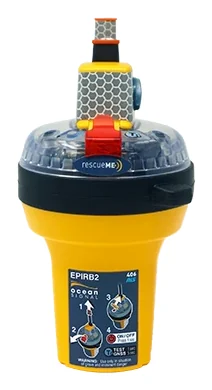
Top-ranked on this list
Ocean Signal rescueME EPIRB2
Observed price: $680. A 406 MHz EPIRB with built-in GPS and Return Link Service confirmation; battery life 48 hours minimum.
Watch for: Check the compatibility notes on the full reference.
Best-of · 6 products qualified
Every EPIRB here transmits on 406 MHz; the differences are release type, AIS, Return Link Service and price. 6 products we cover meet the criteria; they are ranked by observed price, calculated from each maker's published figures and the store prices we observed in September 2026.
Top-ranked on this list
Observed price: $680. A 406 MHz EPIRB with built-in GPS and Return Link Service confirmation; battery life 48 hours minimum.
Watch for: Check the compatibility notes on the full reference.
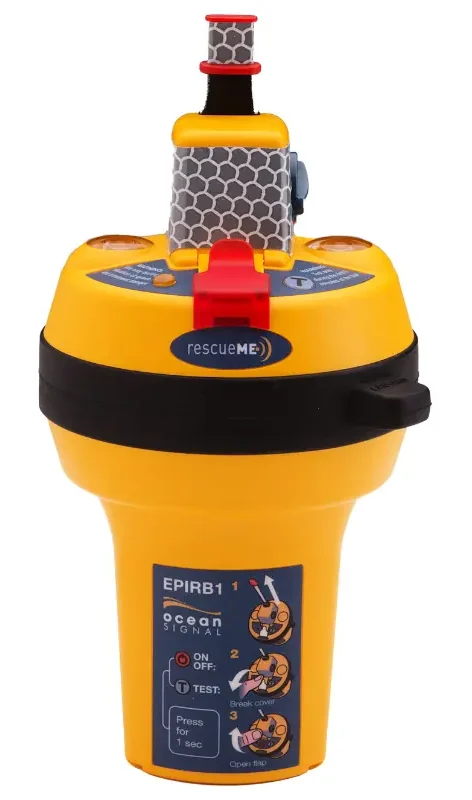
#2 on observed price
Observed price: $685. A 406 MHz EPIRB; battery life 48hrs.
Watch for: Check the compatibility notes on the full reference.
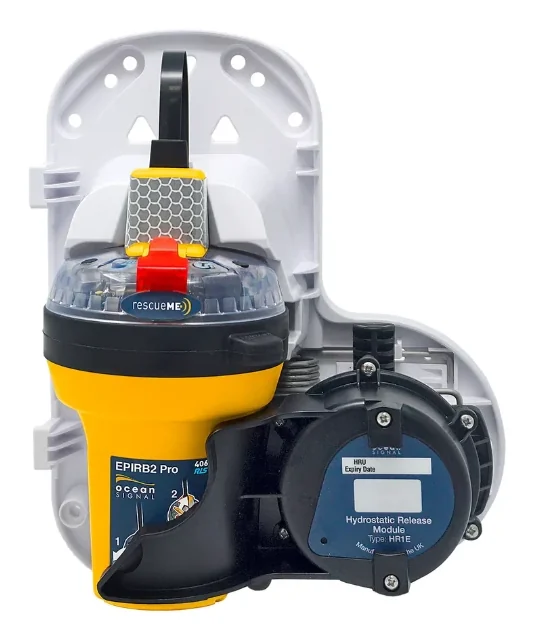
#3 on observed price
Observed price: $780. A 406 MHz EPIRB with built-in GPS and Return Link Service confirmation; battery life 48 hours minimum.
Watch for: Check the compatibility notes on the full reference.
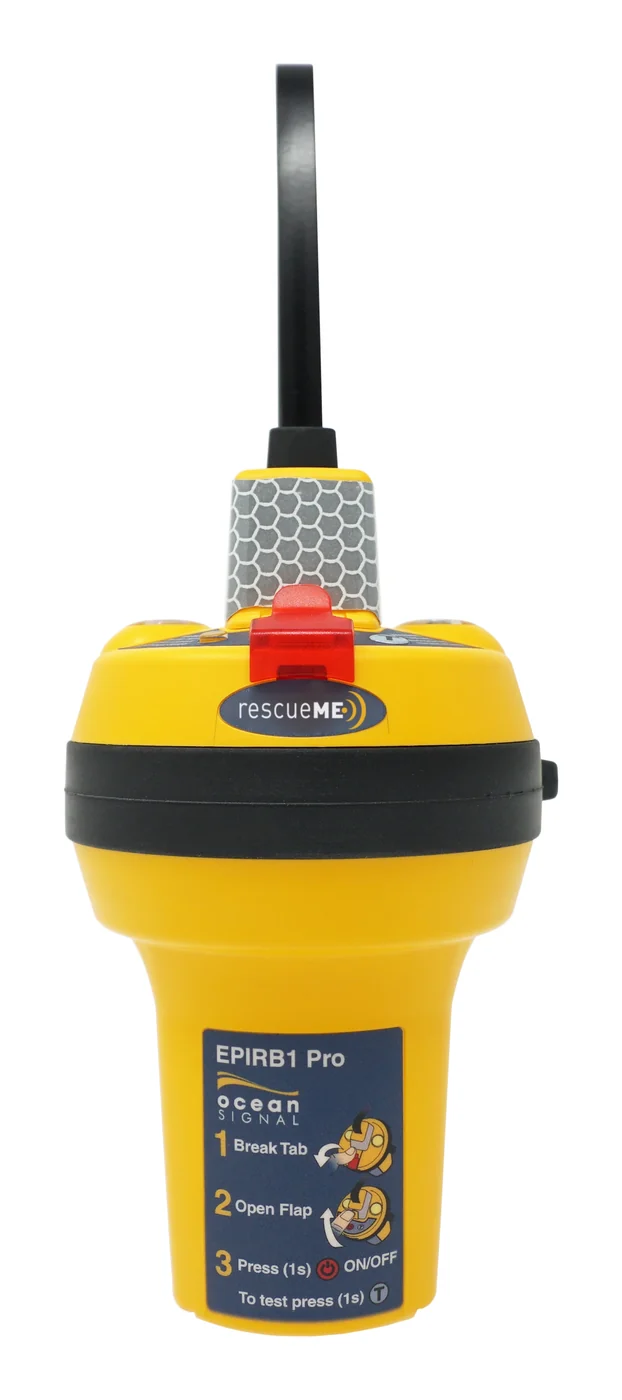
#4 on observed price
Observed price: $790. A 406 MHz EPIRB with built-in GPS; battery life >48 hours.
Watch for: Check the compatibility notes on the full reference.
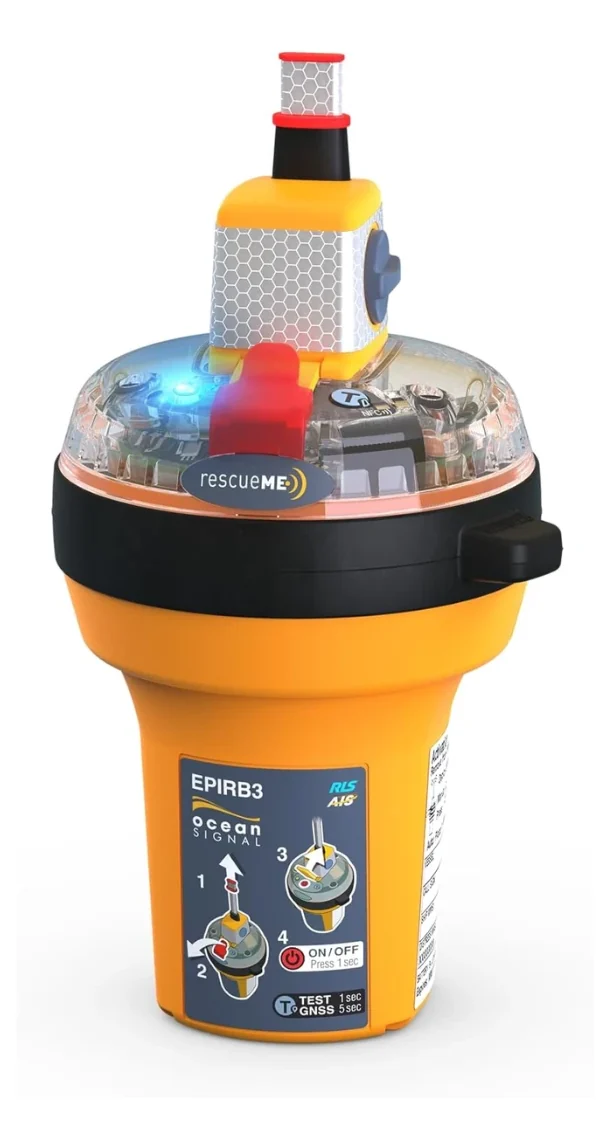
#5 on observed price
Observed price: $900. A 406 MHz EPIRB with built-in GPS; battery life 48Hours.
Watch for: Check the compatibility notes on the full reference.
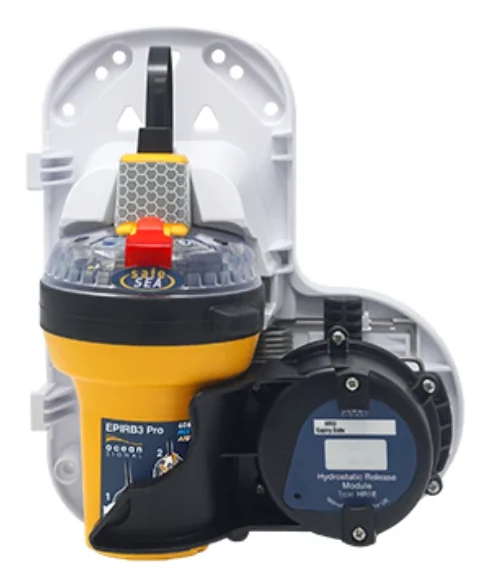
#6 on observed price
Observed price: $1,045. A 406 MHz EPIRB with built-in GPS; battery life >48Hours.
Watch for: Check the compatibility notes on the full reference.
| Attribute | Ocean Signal rescueME EPIRB2 | Ocean Signal rescueME EPIRB1 | Ocean Signal rescueME EPIRB2 Pro | Ocean Signal rescueME EPIRB1 Pro | Ocean Signal rescueME EPIRB3 | Ocean Signal safeSEA EPIRB3 Pro |
|---|---|---|---|---|---|---|
| GPS | Yes | No | Yes | Yes | Yes | Yes |
| AIS | No | No | No | No | No | No |
| Return Link | Yes | No | Yes | No | No | No |
| Battery life | 48 hours minimum | 48hrs | 48 hours minimum | >48 hours | 48Hours | >48Hours |
| Weight | 0.4 lb | — | 0.4 lb | 2.8 lb | — | — |
| Observed price | $680 | $685 | $780 | $790 | $900 | $1,045 |
| Observed price | $680 | $685 | $780 | $790 | $900 | $1,045 |
EPIRBs are registered to a vessel and transmit a 406 MHz distress alert to the Cospas-Sarsat satellites for at least 48 hours. The main choice is how they deploy.
| Type | Deployment | Best for |
|---|---|---|
| Category I | Automatic: a hydrostatic release frees the beacon when the boat sinks, and it activates as it floats free | Offshore and commercial vessels where nobody may be able to reach it |
| Category II | Manual, from a bracket; activates automatically when immersed if removed and wet | Boats where crew will reliably grab it, or as a lower-cost option |
Register the EPIRB to your vessel with NOAA in the US, keep the registration current, and carry personal beacons for crew too; see personal locator beacons.