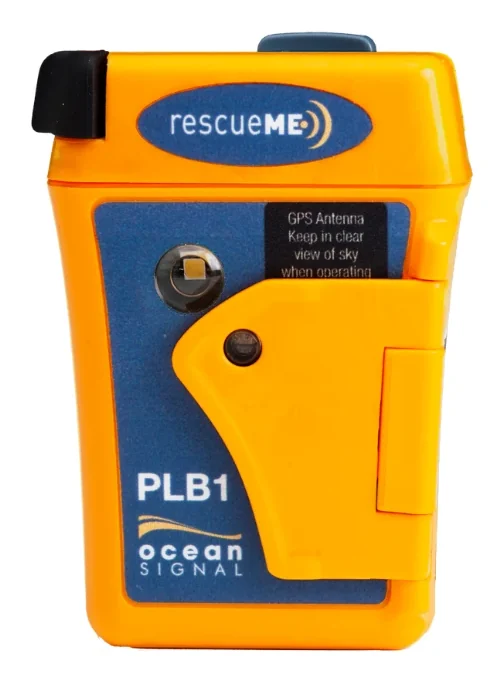
Top-ranked on this list
Ocean Signal rescueME PLB1 Personal Locator Beacon
Observed price: $400. A 406 MHz personal locator beacon with built-in GPS; battery life >24hours.
Watch for: Check the compatibility notes on the full reference.
Best-of · 7 products qualified
A PLB clipped to your life jacket is the beacon that goes overboard with you. 7 products we cover meet the criteria; they are ranked by observed price, calculated from each maker's published figures and the store prices we observed in September 2026.
Top-ranked on this list
Observed price: $400. A 406 MHz personal locator beacon with built-in GPS; battery life >24hours.
Watch for: Check the compatibility notes on the full reference.
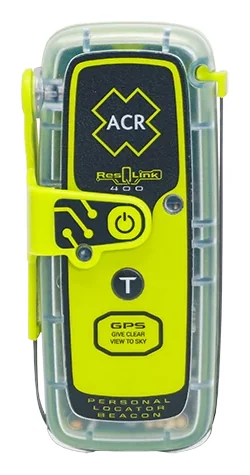
#2 on observed price
Observed price: $410. A 406 MHz personal locator beacon with built-in GPS; battery life 24+ hours.
Watch for: Check the compatibility notes on the full reference.
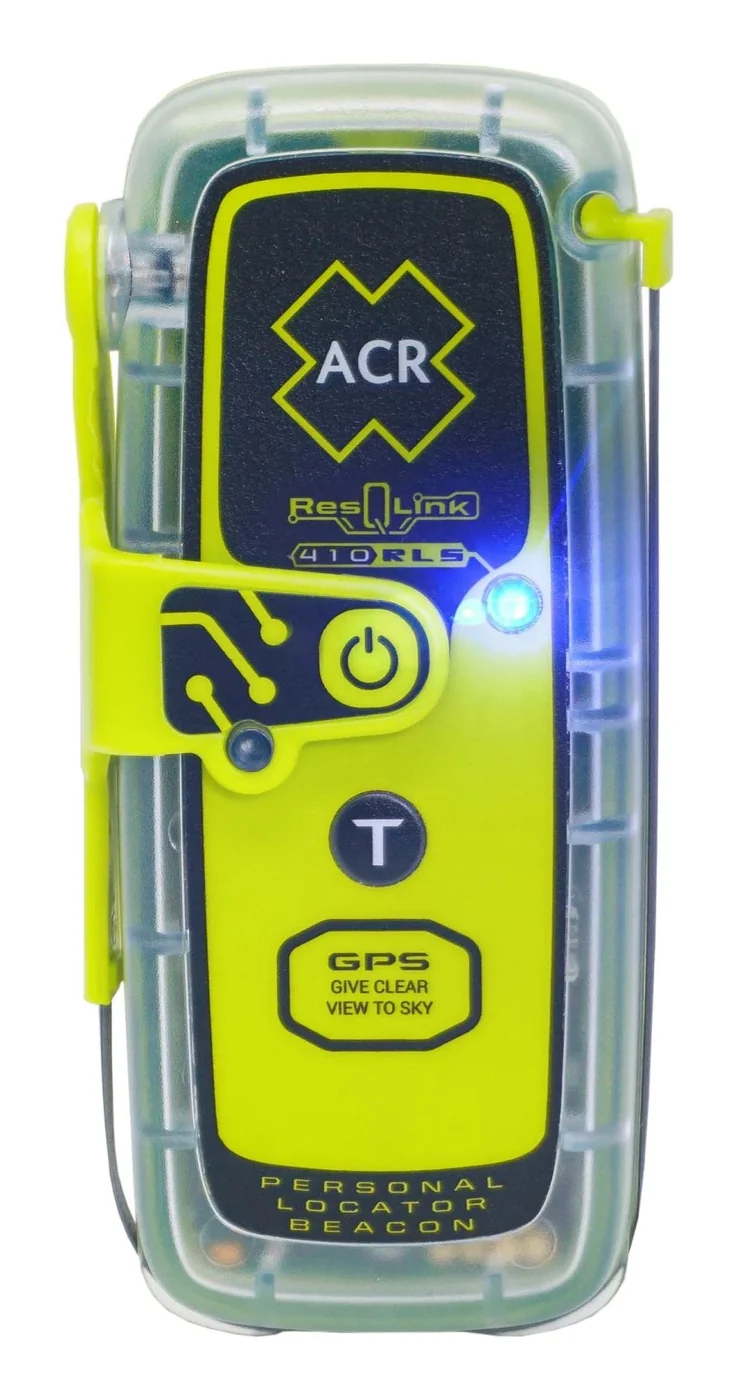
#3 on observed price
Observed price: $465. A 406 MHz personal locator beacon with built-in GPS and Return Link Service confirmation; battery life 24+ hours.
Watch for: Check the compatibility notes on the full reference.
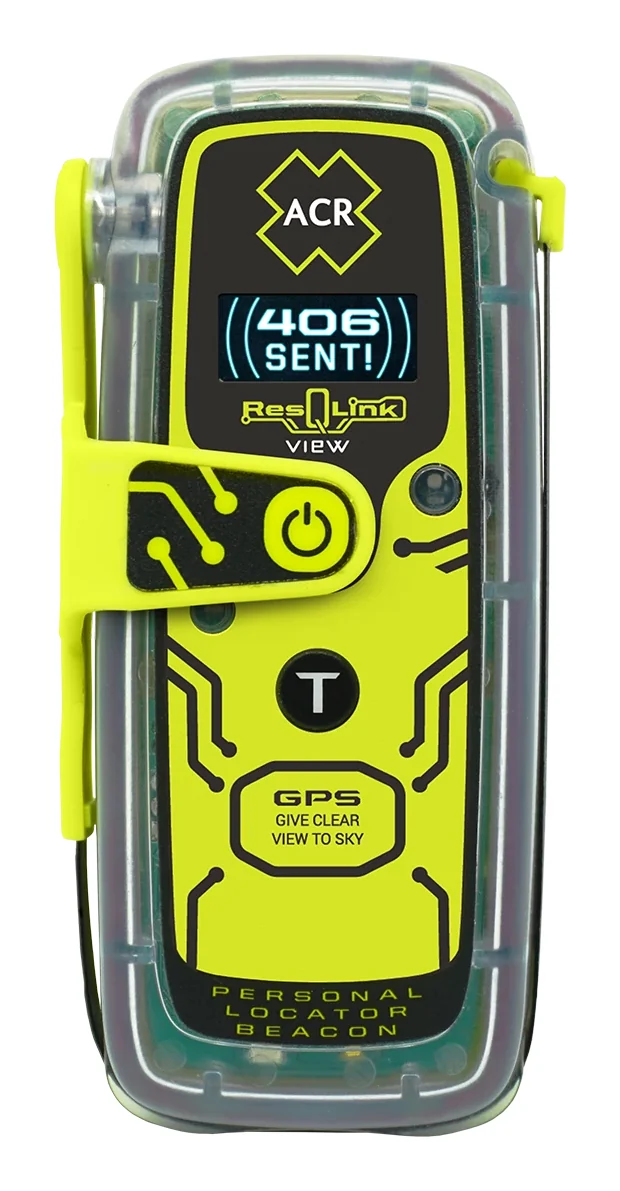
#4 on observed price
Observed price: $470. A 406 MHz personal locator beacon with built-in GPS; battery life 28 hours.
Watch for: Check the compatibility notes on the full reference.
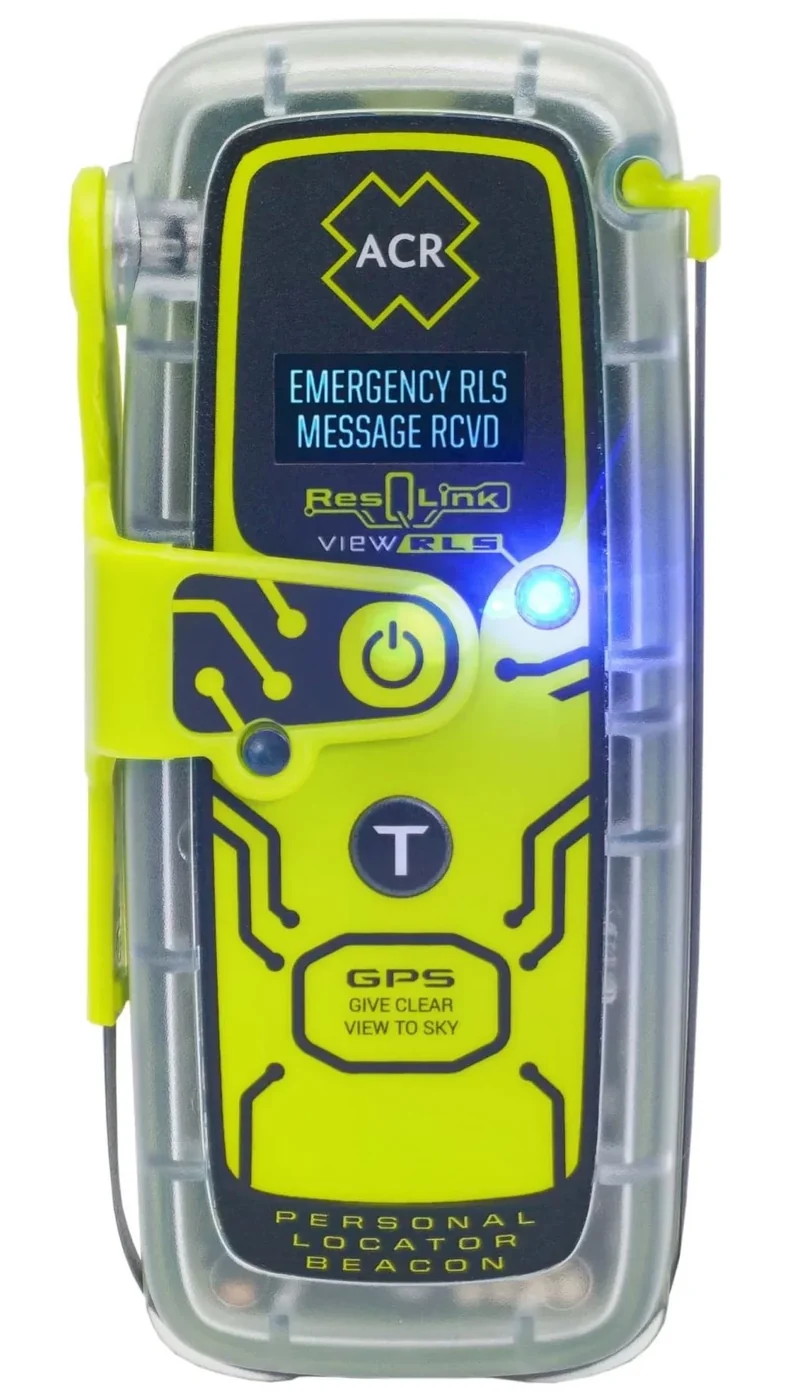
#5 on observed price
Observed price: $530. A 406 MHz personal locator beacon with built-in GPS and Return Link Service confirmation; battery life 28 hours.
Watch for: Check the compatibility notes on the full reference.
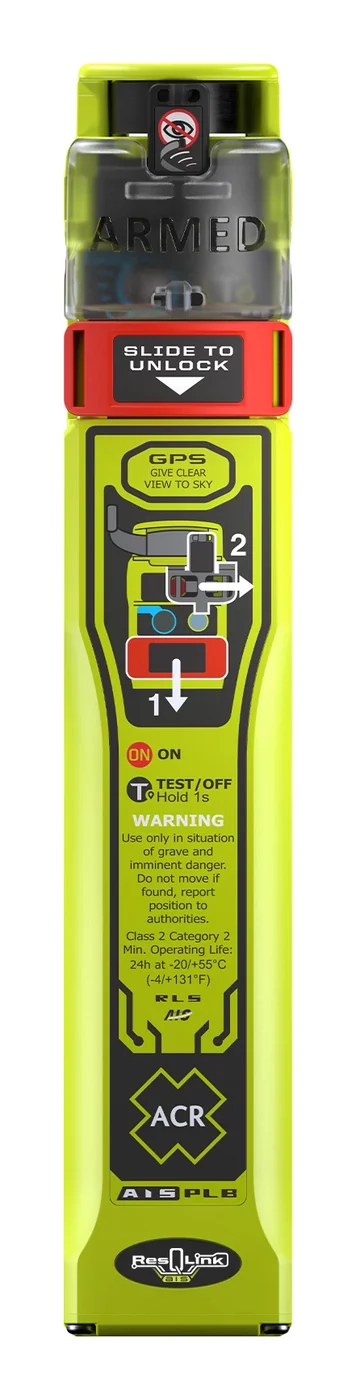
#6 on observed price
Observed price: $620. A 406 MHz personal locator beacon with built-in GPS, AIS and Return Link Service confirmation; battery life 24 hours.
Watch for: Check the compatibility notes on the full reference.
| Attribute | Ocean Signal rescueME PLB1 Personal Locator Beacon | ACR ResQLink 400 Personal Locator Beacon | ACR ResQLink 410 RLS Personal Locator Beacon | ACR ResQLink View Personal Locator Beacon | ACR ResQLink View RLS Personal Locator Beacon | ACR ResQLink AIS Personal Locator Beacon |
|---|---|---|---|---|---|---|
| GPS | Yes | Yes | Yes | Yes | Yes | Yes |
| AIS | No | No | No | No | No | Yes |
| Return Link | No | No | Yes | No | Yes | Yes |
| Battery life | >24hours | 24+ hours | 24+ hours | 28 hours | 28 hours | 24 hours |
| Weight | — | — | — | — | — | — |
| Observed price | $400 | $410 | $465 | $470 | $530 | $620 |
| Observed price | $400 | $410 | $465 | $470 | $530 | $620 |
A PLB transmits a 406 MHz distress signal to the international Cospas-Sarsat satellite system, which relays it to a rescue coordination center. Models with built-in GPS include your position in the alert, which narrows the search area from miles to a few hundred feet. A 121.5 MHz homing signal guides rescuers in close.
| Feature | What it means | Why it matters |
|---|---|---|
| 406 MHz | Satellite distress frequency | The alert that reaches search and rescue |
| GPS | Position sent in the alert | Faster, more precise rescue |
| RLS (Return Link Service) | Confirmation that the alert was received, via Galileo | Reassurance while you wait |
| AIS | Also alerts nearby vessels on their plotters | Local boats can reach you first |
| Battery life | Years before replacement | Plan the service date |
In the US, register your PLB with NOAA's beacon registration database; it is free, required by law, and lets rescuers call your emergency contacts. Update the registration when your details or trip plans change, and replace the battery by the date on the label.