Best-of · Updated September 2026

The best forward-facing sonar for your helm

The finding

There is no single best live sonar, because none of them work across brands. The best one is the system built for the displays you already own — here is each ecosystem's choice and what to check before you buy.

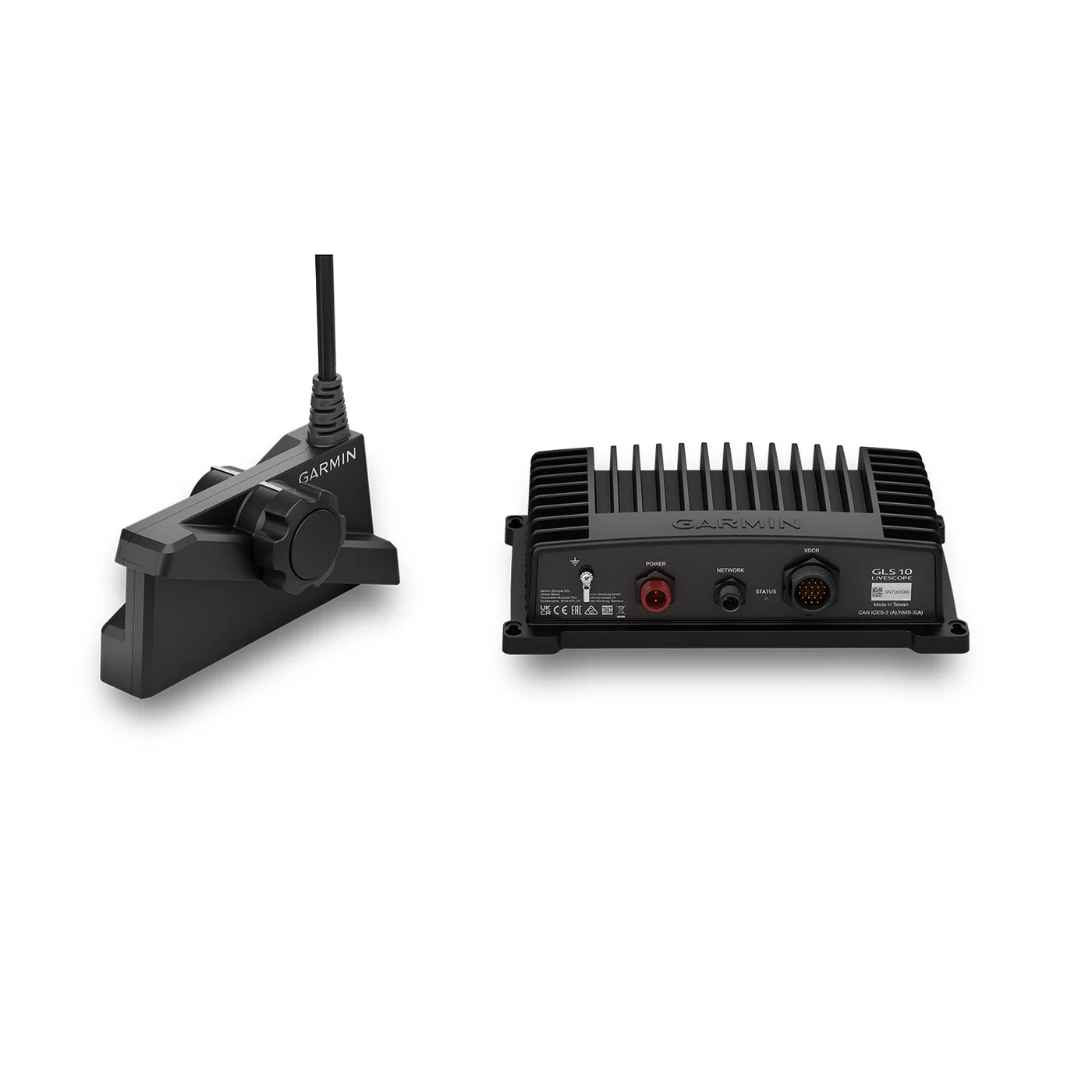
Garmin LiveScope Plus system: LVS34 transducer with GLS 10 sonar module and mounting hardware

Best for Garmin helms

Garmin LiveScope Plus System

The only live sonar that draws on Garmin chartplotters, with the most complete published specification of the three: frequency, range, field of view and module power. Existing LiveScope owners can upgrade by swapping only the transducer.

Watch for: Two-piece install; views change by hand at the bracket.
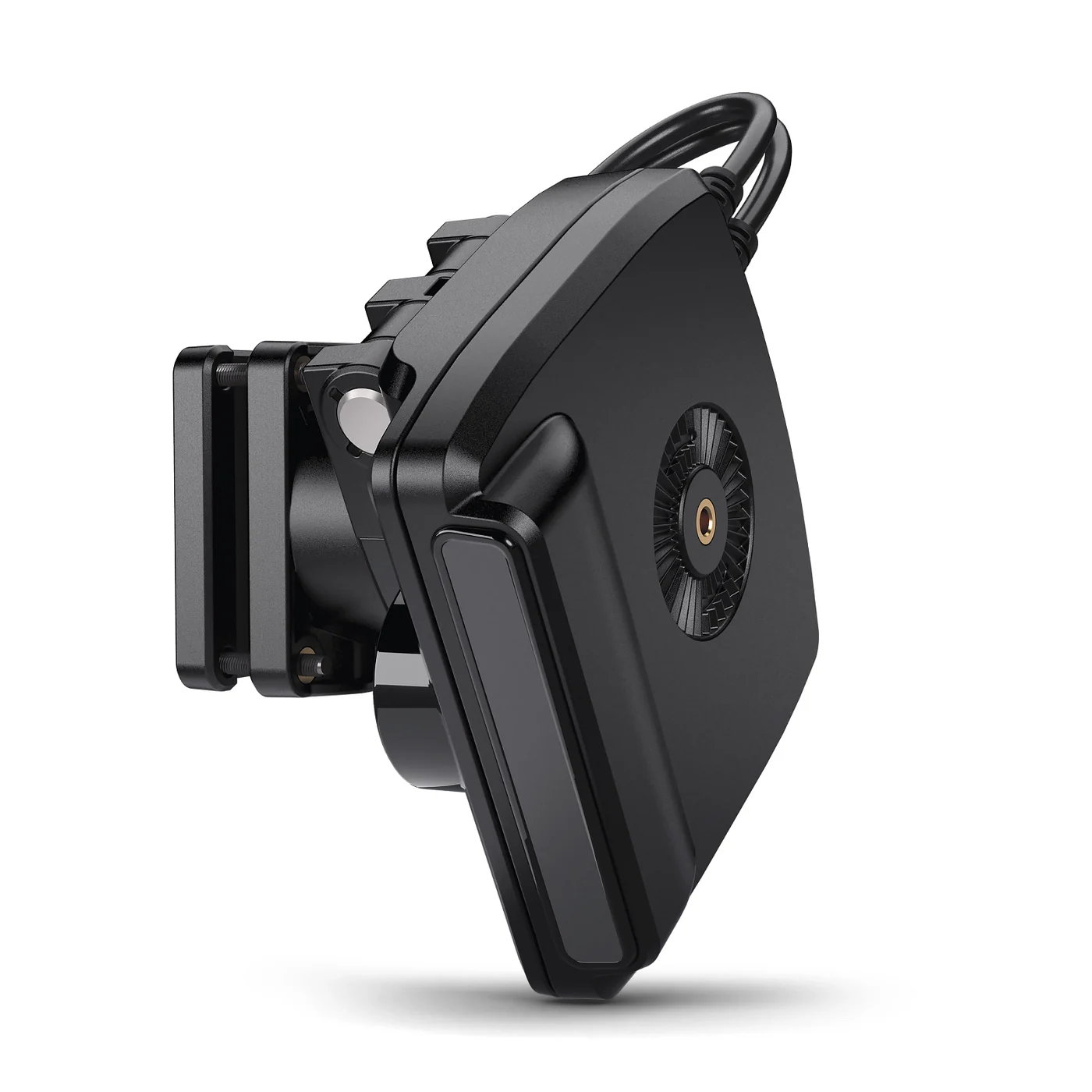
Humminbird MEGA Live 2 forward-facing sonar transducer with adjustable mounting bracket

Best for Humminbird helms

Humminbird MEGA Live 2

No black box, one Ethernet cable, and a mount designed around Minn Kota Ultrex, Fortrex, Maxxum and Edge motors. TargetLock support makes it the strongest pairing with an Ultrex.

Watch for: Humminbird does not publish frequency, range or power figures.

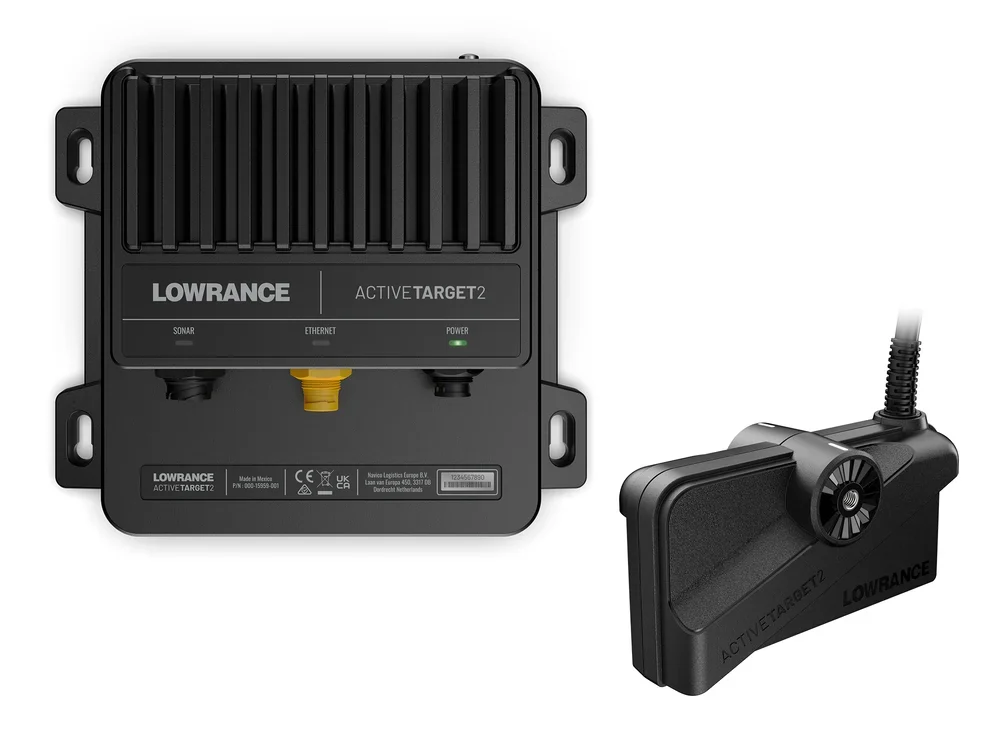
Lowrance ActiveTarget 2 live sonar module, transducer and mounts (000-15959-001)

Best for Lowrance helms

Lowrance ActiveTarget 2

Forward, Down and Scout views with fully published electrical and environmental data — 1.5 A draw, 5 A fuse, IP67 — and the option to run two systems on HDS PRO for simultaneous views.

Watch for: Scout Wide and 180 views require a second complete system.

The picks at a glance

AttributeGarmin LiveScope Plus SystemHumminbird MEGA Live 2Lowrance ActiveTarget 2
DisplaysGarmin (Marine Network)Humminbird XPLORE, APEX, SOLIX G3Lowrance HDS PRO, LIVE, Carbon; Elite FS
ComponentsTransducer + GLS 10 moduleTransducer onlyModule + transducer
ViewsForward, Down, PerspectiveForward, Down, LandscapeForward, Down, Scout
Published power21 W typ. (module)Not published1.5 A @ 13.8 V
Waterproof ratingNot verifiedNot publishedIP67
Observed price$1,799.99$1,399.99 (sale)$1,399 (list)

How we chose

  • Compatibility first. A product only qualifies for a helm it can actually display on, using the manufacturer's own compatibility statement.
  • Published evidence. We favour systems whose makers publish the specifications installers need — power, fusing, range, environmental ratings — and we mark every gap.
  • Installation reality. Component count, mounting options and accessories that are sold separately.
  • No lab claims. Nautworthy has not run comparative imaging tests on these systems, and we do not rank image quality. Where makers claim clarity improvements, we label them as claims.

Before you buy any live sonar

  • Confirm your exact display model against the sonar maker's compatibility list — generation matters.
  • Count network ports. Live sonar uses one; a switch or expander may be needed.
  • Plan the mount: trolling-motor shaft, pole or transom, and whether you want a lock-on mount.
  • Budget the power: a live-sonar module where published draws about 1.5–1.7 A; add it to your house-battery plan with the power budget calculator.

What a complete system costs and needs

Forward-facing (live) sonar shows fish moving in real time ahead of or around the boat. The transducer and black box are only part of the purchase: you also need a compatible display, a mount and enough battery capacity.

ComponentWhy it matters
Compatible displayEach system works with its own brand's displays; live sonar is easiest to read on a 9 to 12 inch or larger screen
MountTrolling-motor shaft or pole mount; modes (forward, down, perspective) depend on mount angle
PowerThe transducer, black box and large display add several amps; many anglers use a dedicated lithium battery
CablingRun cables carefully through the trolling motor and keep them clear of the steering
Practical noteBudget for the whole system: transducer kit plus a compatible display and mount can cost far more than the transducer kit alone.

Using it well

  • Expect a learning period to tell fish from structure and bait at different ranges.
  • Start at short ranges (around 60 to 80 ft) and widen as you learn.
  • Check local rules: some tournaments and waters have adopted rules on forward-facing sonar use.
  • Keep the transducer pointed where you are casting; many anglers use a foot pedal or trolling-motor control to aim it.

Power the system properly with 16V lithium batteries for electronics.

Questions readers ask

What do I need to run forward-facing sonar?
The transducer kit, a compatible display from the same brand, a mount (usually on the trolling motor) and enough battery capacity.
Does forward-facing sonar work with any fish finder?
No. Garmin LiveScope, Humminbird MEGA Live and Lowrance ActiveTarget each work with their own brand's compatible displays.
What screen size is best for live sonar?
Larger is easier: many anglers use 9 to 12 inch or bigger displays to read moving targets.
Is forward-facing sonar allowed in tournaments?
It depends on the event; some have introduced rules on its use. Check each tournament's rules.