
A 16 V lithium battery holds a higher, steadier voltage than a 12 V battery as it discharges, which some anglers prefer for displays and live-sonar modules. It is only safe if every device on that circuit accepts the higher voltage — check each unit's published input range first.
- Check every device's input voltage range before wiring 16 V
- Humminbird lists 10.8–20 V DC input on the displays we cover
- Size capacity from published draw × hours
- Keep electronics on a separate battery from the trolling motor for clean power
Why 16 V
A LiFePO4 battery sold as 16 V has a nominal voltage around 16 V and stays well above the low-voltage alarms of 12 V electronics for the whole day. It also leaves headroom for voltage drop over long cable runs to the bow.
Check the input range
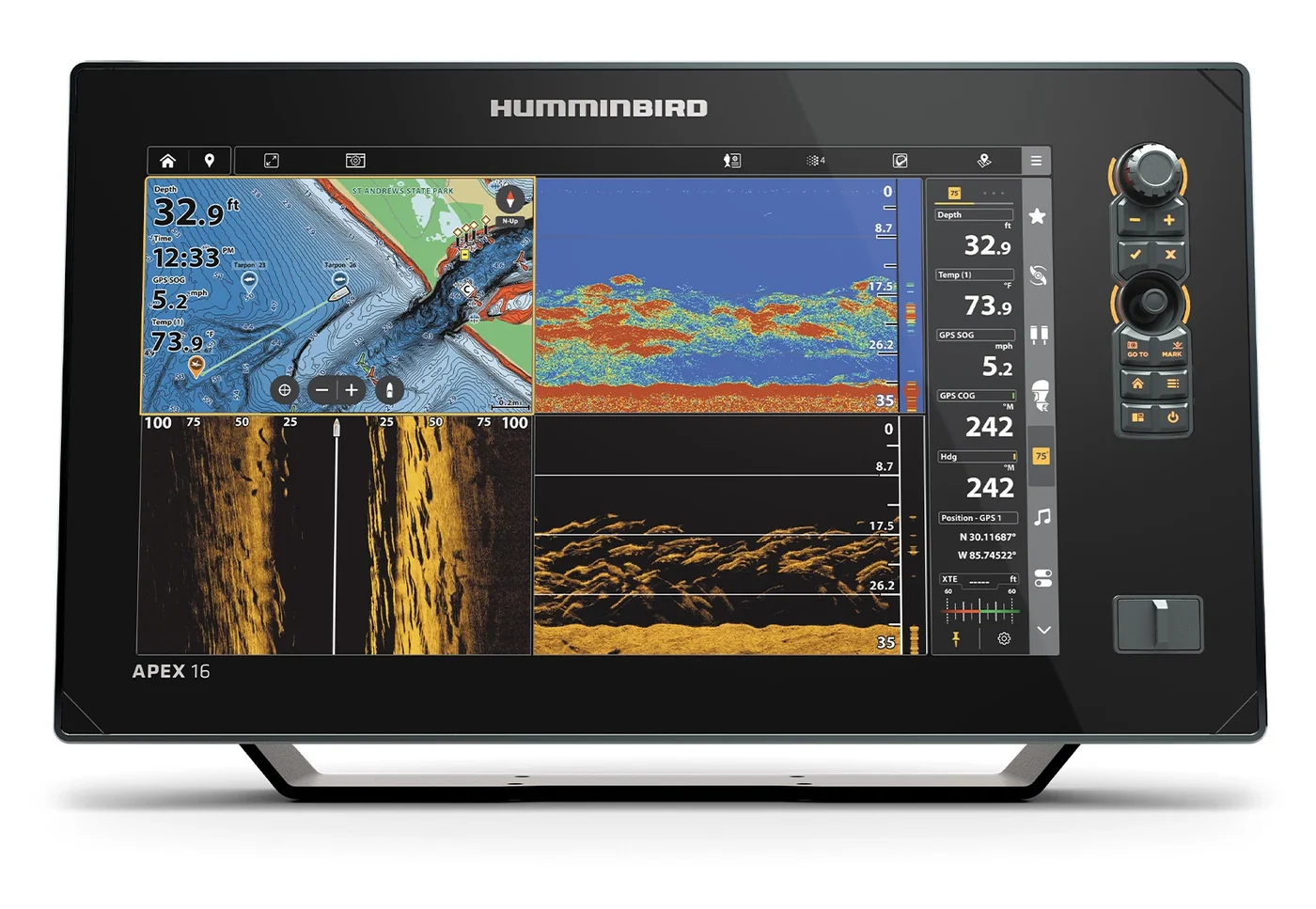
Humminbird's published power input for the displays we cover is 10.8–20 VDC, so a 16 V battery sits inside the range. Transducers, live-sonar modules, radios and anything else on the circuit must also accept it; if one does not, it needs its own 12 V supply.
Size it from the draw
| Display | Published draw | 8-hour day |
|---|---|---|
| Humminbird PiranhaMAX 4 DI | 0.18 A | 1.4 Ah |
| Humminbird HELIX 5 CHIRP GPS G3 PT | 0.61 A | 4.9 Ah |
| Humminbird HELIX 7 CHIRP GPS G4N | 0.80 A | 6.4 Ah |
| Humminbird HELIX 7 MEGA SI GPS G4N | 0.80 A | 6.4 Ah |
| Humminbird XPLORE 10 CMSI+ | 2.20 A | 17.6 Ah |
| Humminbird XPLORE 9 CMSI+ with MEGA Live 2 | 2.20 A | 17.6 Ah |
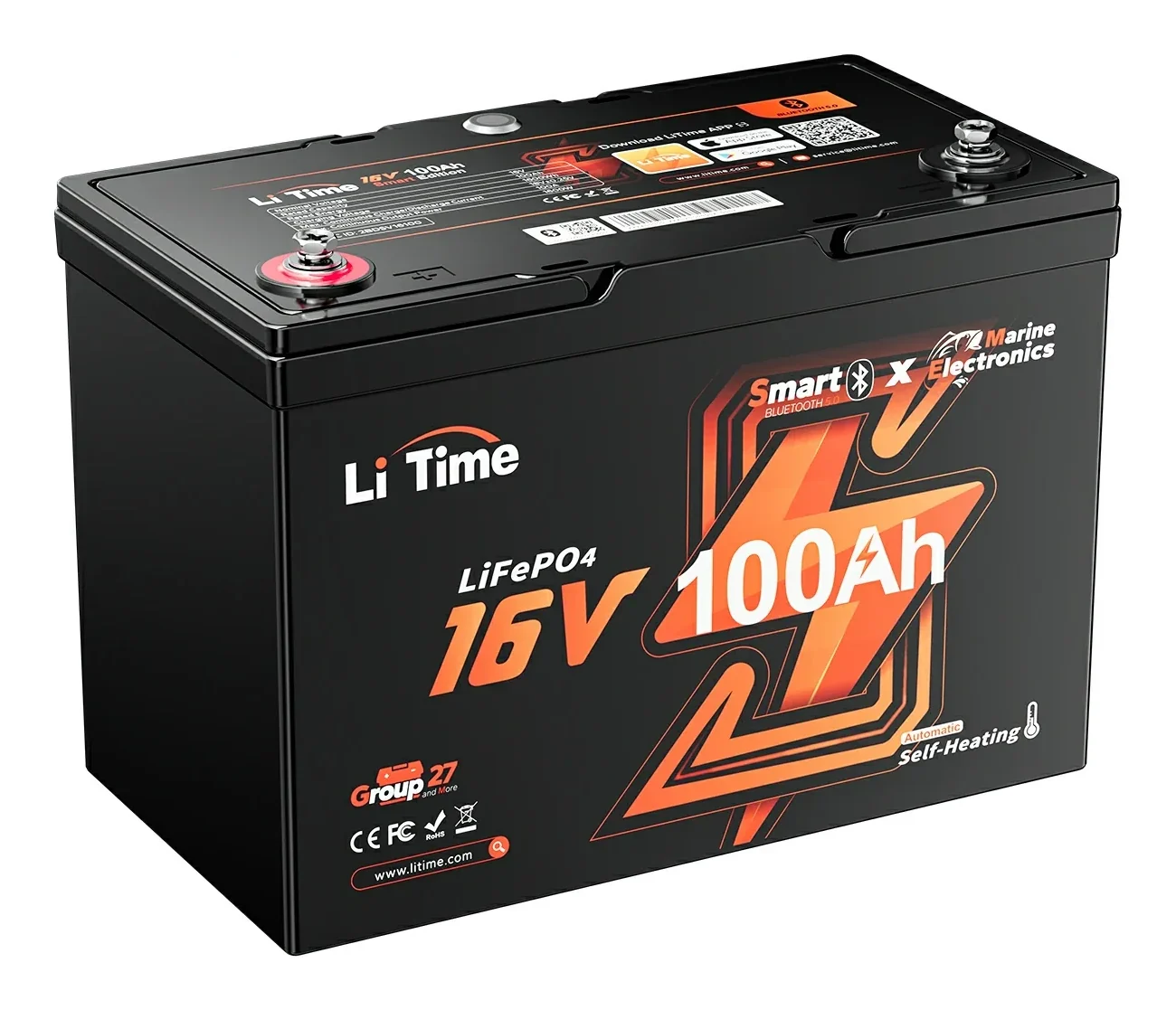
- LiTime 16V 100Ah Fish Finder Battery — 100 Ah, heated
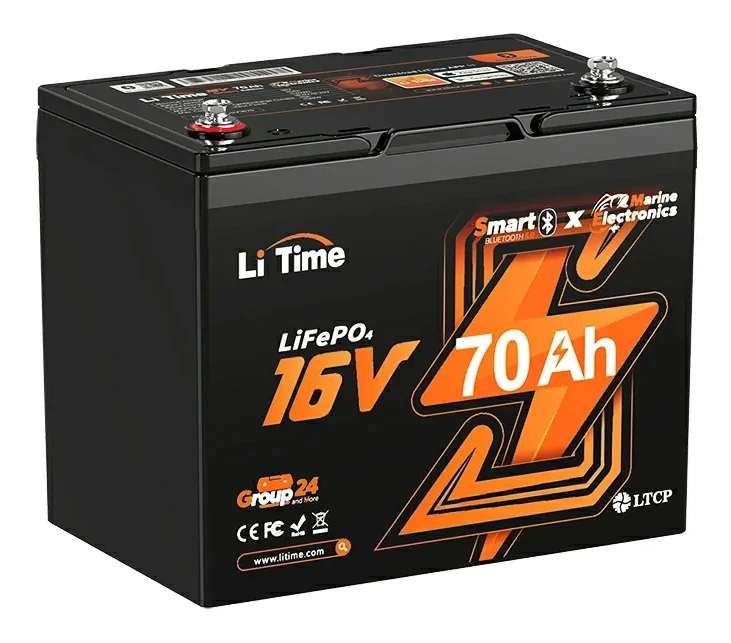
- LiTime 16V 70Ah Bluetooth Battery — 70 Ah
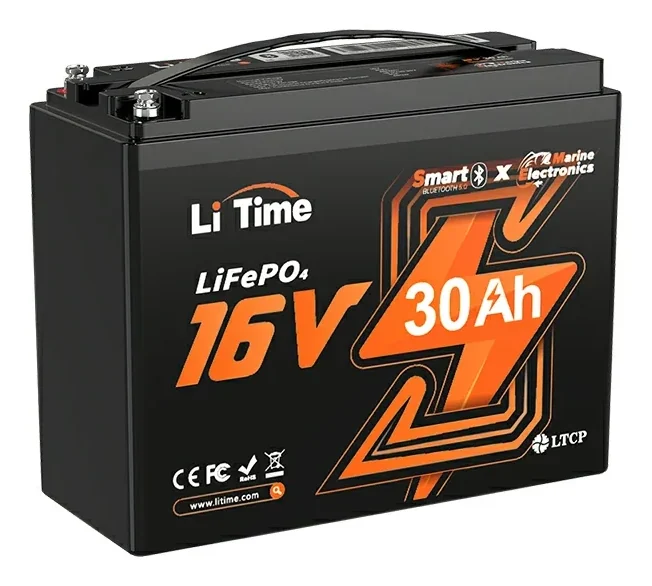
- LiTime 16V 30Ah Kayak Fish Finder Battery — 30 Ah
- Norsk Lithium 16V 135Ah LiFePO4 Battery — 135 Ah
- Amped Outdoors 16V 80Ah LiFePO4 Battery — 80 Ah
Products referenced in this guide
Sources
- LiTime — LiTime 16V 100Ah Fish Finder Battery — product page and specifications Retrieved 23 Sep 2026
- LiTime — LiTime 16V 70Ah Bluetooth Battery — product page and specifications Retrieved 23 Sep 2026
- LiTime — LiTime 16V 30Ah Kayak Fish Finder Battery — product page and specifications Retrieved 23 Sep 2026
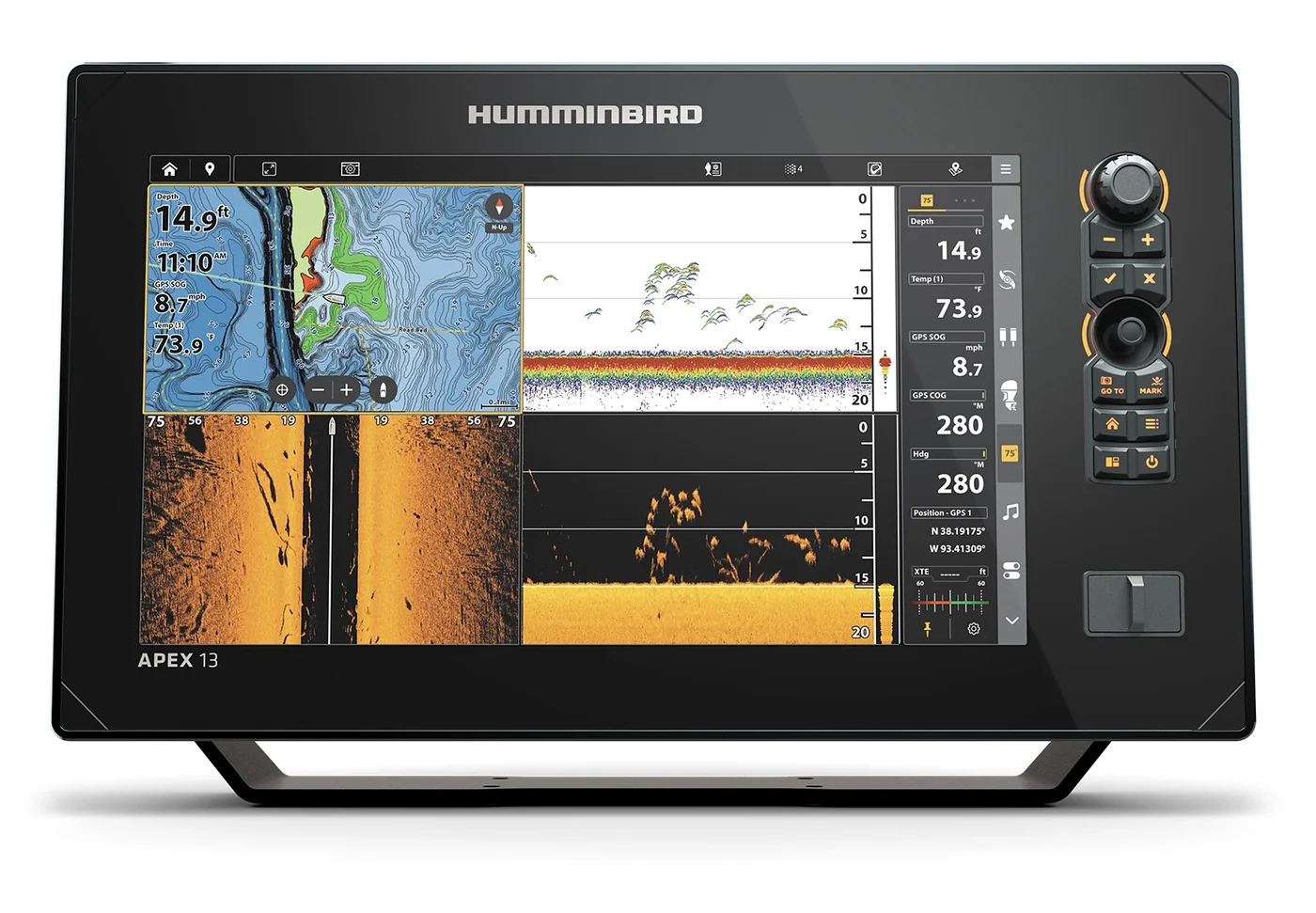
- Humminbird — Humminbird APEX 13 MEGA SI+ Chartplotter — product page and specifications Retrieved 24 Sep 2026
- Humminbird — Humminbird APEX 16 MEGA SI+ Chartplotter — product page and specifications Retrieved 24 Sep 2026