
On US coastal waters, recreational boats 16 ft and over must carry day and night visual distress signals. An electronic visual distress signal device that meets 46 CFR 161.013 satisfies the night requirement; pair it with a day signal such as an orange distress flag. Unlike pyrotechnics, LED flares run for hours and do not expire.
- Day and night signals required on US coastal waters for boats 16 ft+
- Electronic signal (46 CFR 161.013) = night requirement only
- Add an orange distress flag (or other approved day signal)
- LED flares run for hours; pyrotechnics burn for minutes and expire
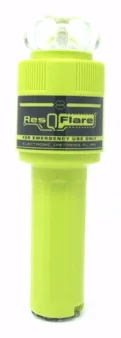
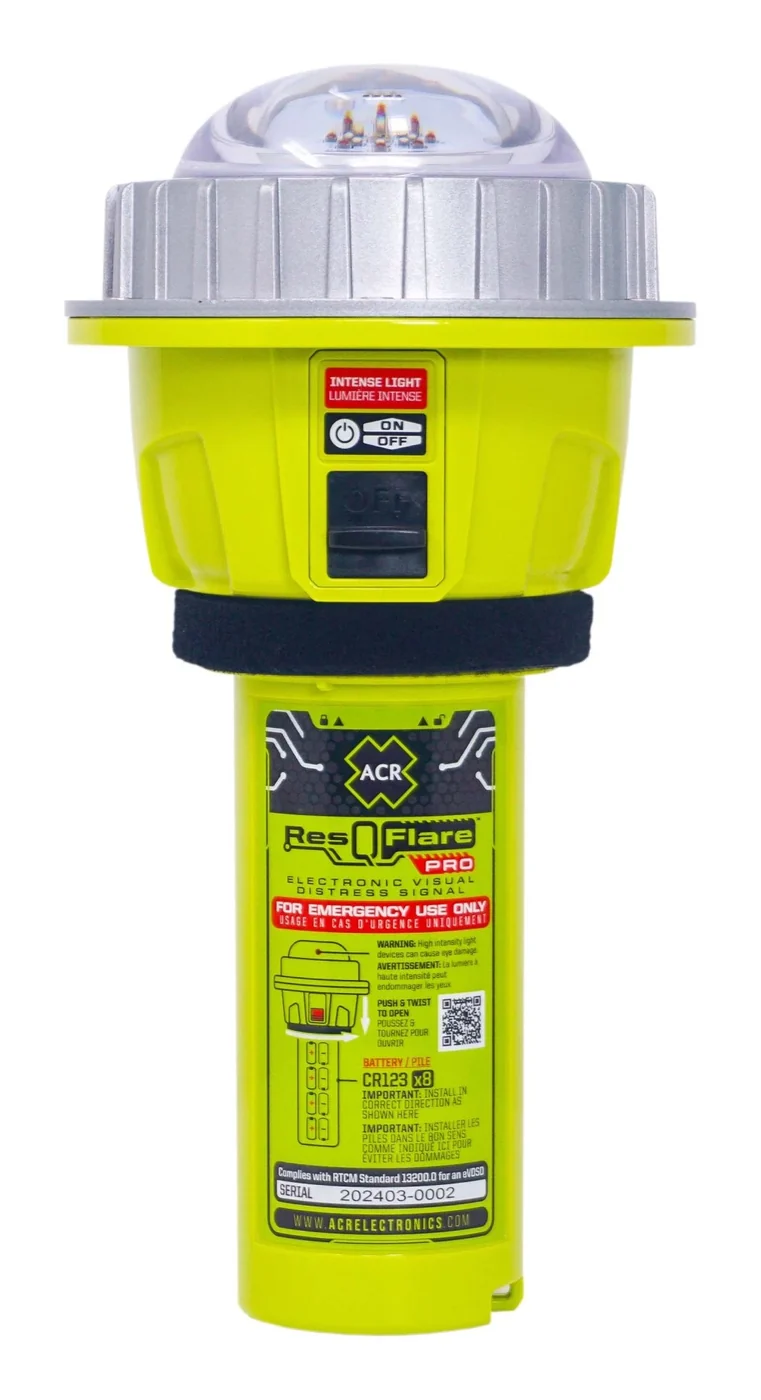
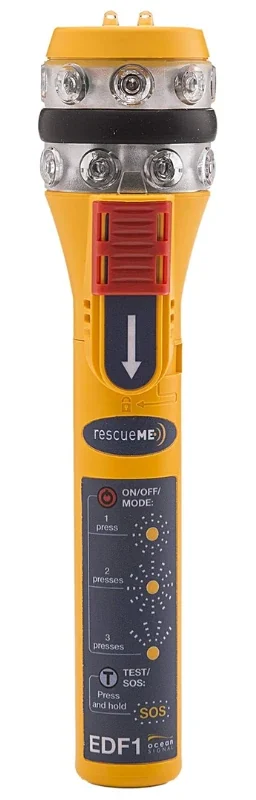
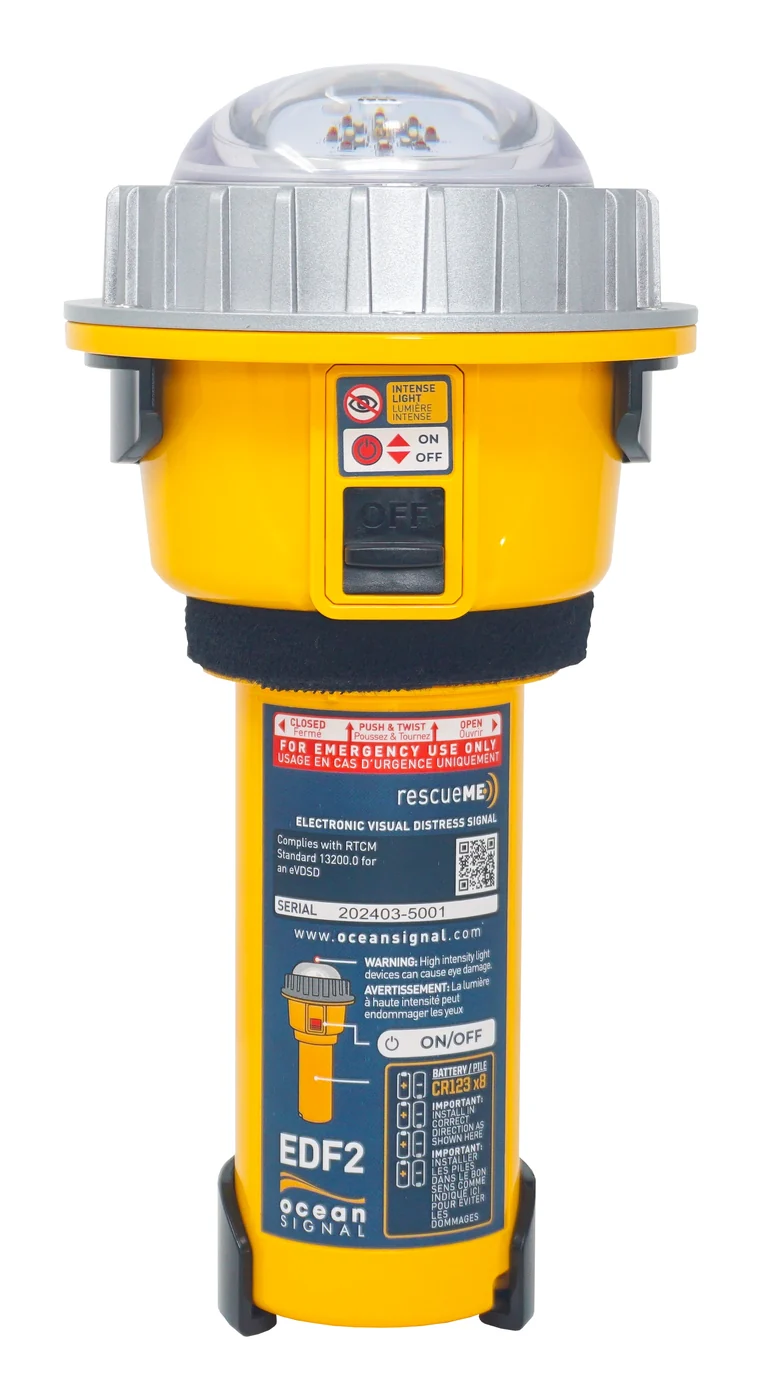
Electronic flares we cover
LED versus pyrotechnic
Pyrotechnic flares are bright but burn for seconds to minutes, expire after 42 months and need safe disposal. Electronic flares flash an SOS pattern for hours, float in many cases, and only need fresh batteries. Many boaters keep both: an electronic flare as the primary night signal and pyrotechnics for maximum brightness in an emergency.
A complete signalling kit
A practical kit is a VHF radio with DSC, a 406 MHz beacon (EPIRB or PLB), an electronic flare with an orange distress flag, and a whistle or horn. Keep them together in a grab bag where every crew member knows to find it.
What US rules require
US Coast Guard rules require most recreational boats on coastal waters, the Great Lakes and connected waters to carry visual distress signals for day and night use. An electronic visual distress signal device that meets the Coast Guard's standard satisfies the night requirement; a day signal, such as an orange distress flag, is still needed alongside it.
| Signal | Day | Night | Expires |
|---|---|---|---|
| Electronic distress light (meeting the Coast Guard standard) | No | Yes | No; replace batteries |
| Orange distress flag | Yes | No | No |
| Handheld or aerial pyrotechnic flares | Yes (approved types) | Yes (approved types) | 42 months from manufacture |
| Orange smoke signals | Yes | No | 42 months from manufacture |
Practical tips
- Keep signals in a waterproof, floating container where the whole crew can find it.
- Check electronic signal batteries at the start of each season and carry spares.
- Dispose of expired pyrotechnic flares through local hazardous-waste or fire department programs, never in household trash.
- Remember that flares and lights only help if someone is looking; a VHF radio with DSC and a personal locator beacon alert rescuers directly.
Products referenced in this guide
Questions readers ask
Can electronic flares replace pyrotechnic flares?
How long are flares good for?
Do I need flares on a lake?
What should a boat distress kit include?
Sources
- ACR — ACR ResQFlare – Electronic LED Emergency Boat Flare — product page and specifications Retrieved 25 Sep 2026
- ACR — ACR ResQFlare PRO – High Intensity Electronic LED Emergency Boat Flare — product page and specifications Retrieved 25 Sep 2026
- Ocean Signal — Ocean Signal rescueME EDF1 Flare — product page and specifications Retrieved 25 Sep 2026
- Ocean Signal — Ocean Signal rescueME EDF2 Flare — product page and specifications Retrieved 25 Sep 2026