
GPS anchoring uses the trolling motor's built-in GPS to hold the boat on a position, steering and thrusting as wind and current push it off. It replaces dropping an anchor in water too deep for a shallow-water anchor, but it runs the motor — and the battery — the whole time.
- Holds position without an anchor at any depth
- Draws from the trolling battery continuously while active
- Wind and current decide how hard it works
- Available across Minn Kota's remote-controlled bow mounts
Motors with GPS Spot-Lock
37 of the 68 Minn Kota motors we cover list Spot-Lock. Observed prices start at $1,300.
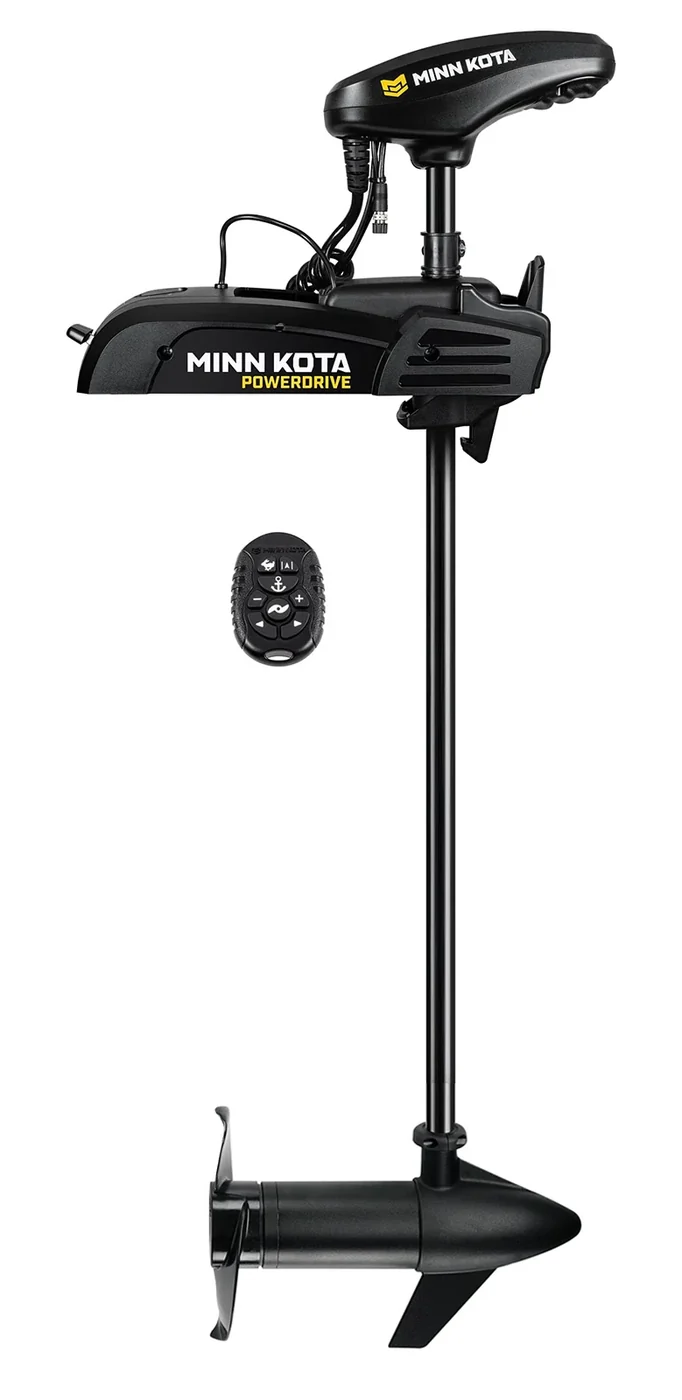
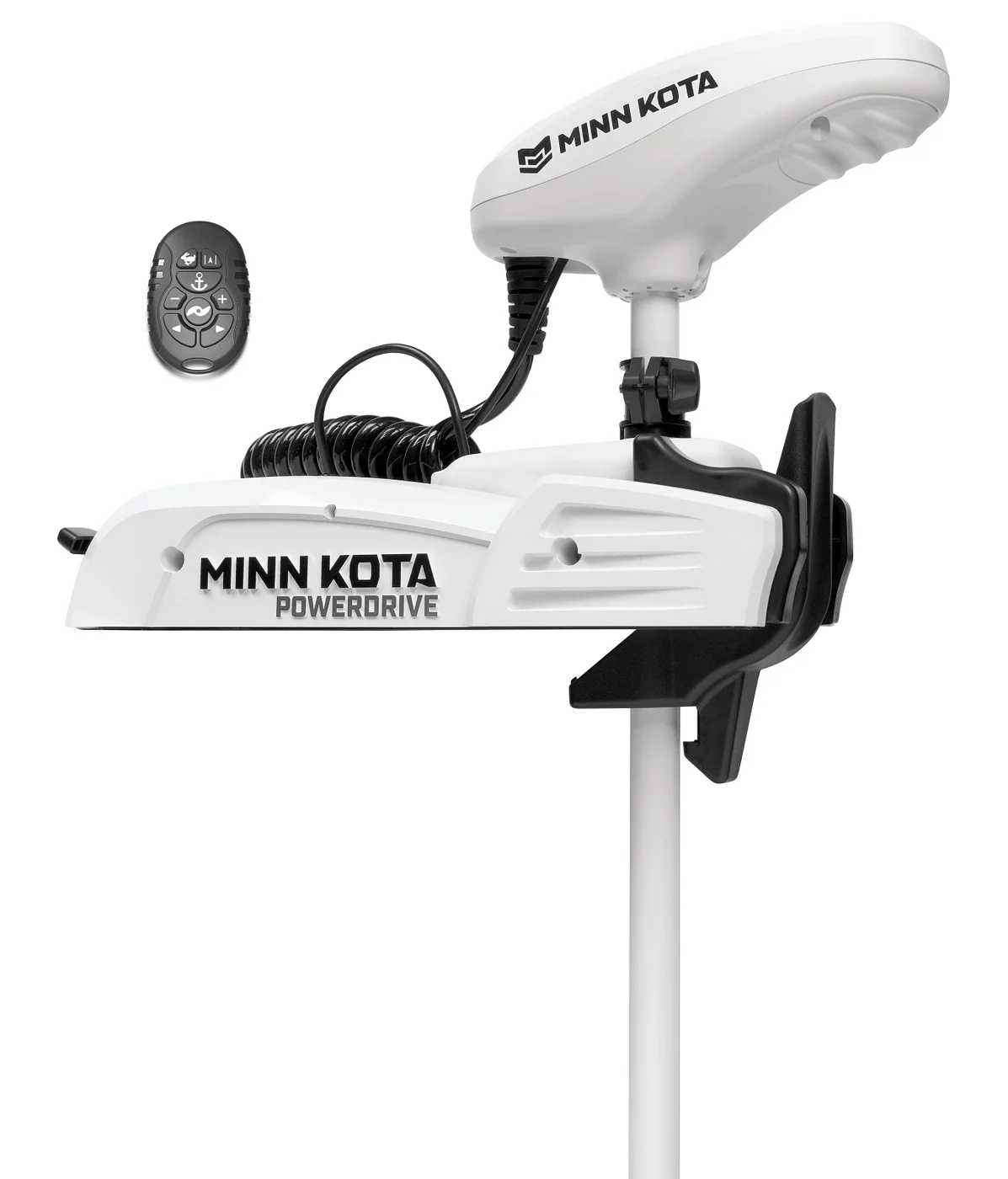
- Minn Kota PowerDrive 55 lb, Micro Remote — 55 lb, 12 V
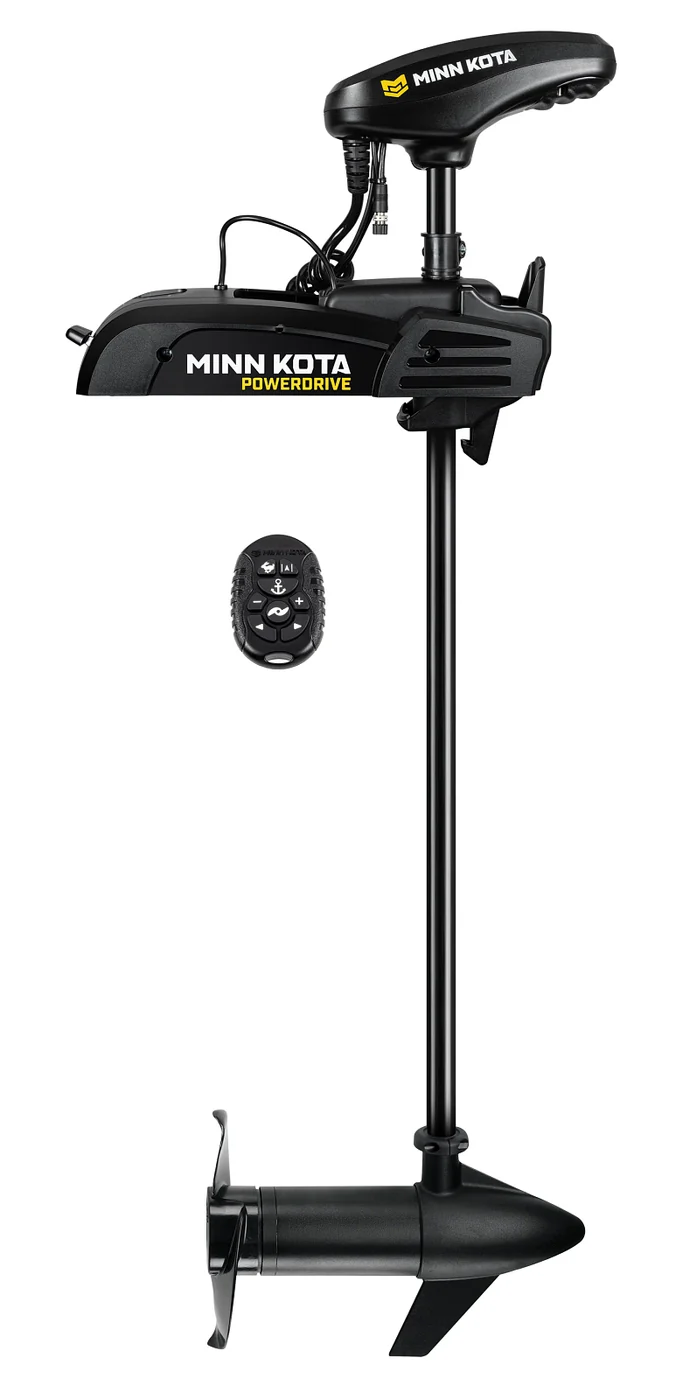
- Minn Kota PowerDrive 55 lb, Dual Spectrum CHIRP, Micro Remote — 55 lb, 12 V
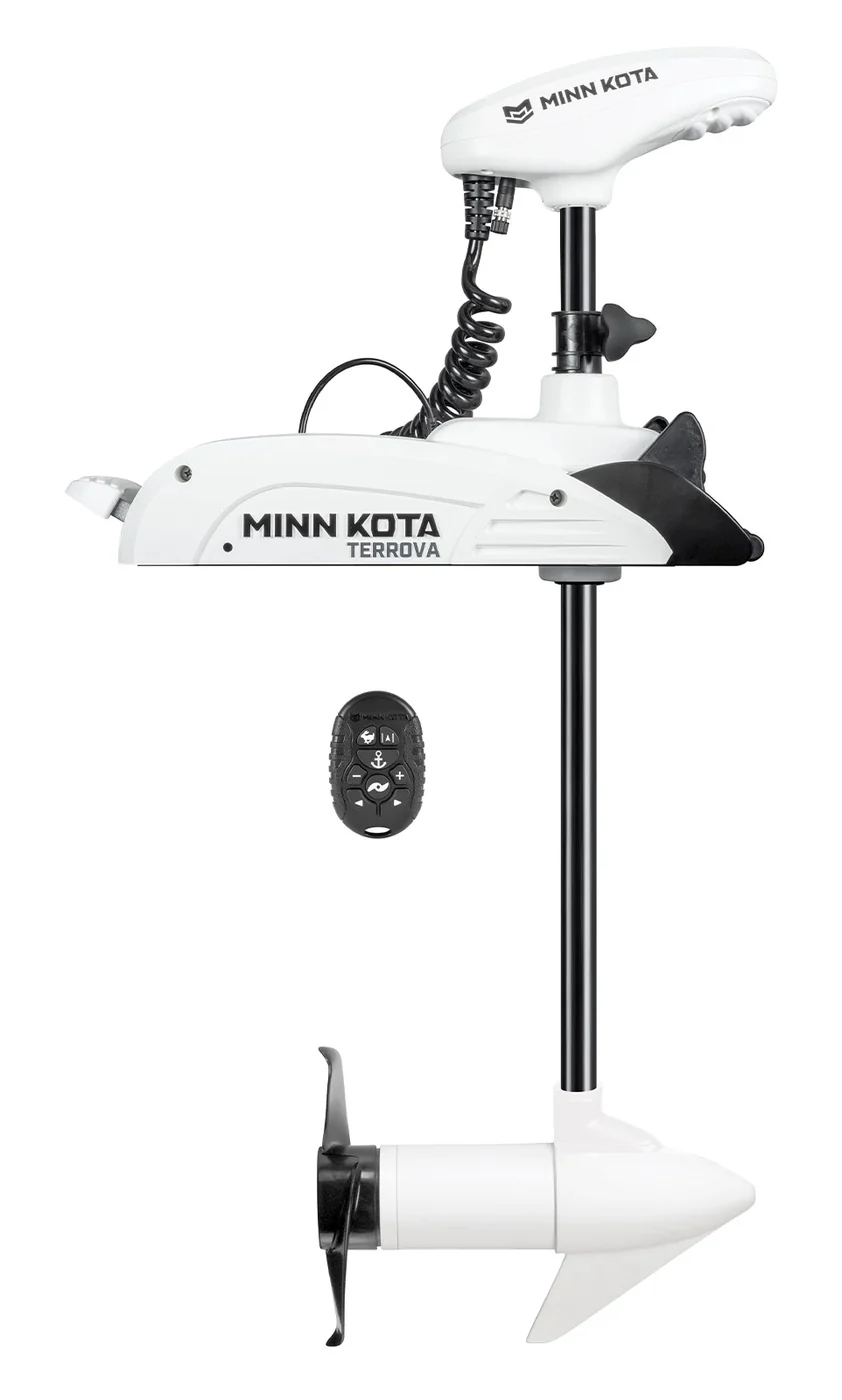
- Minn Kota Kayak Terrova — 55 lb, 12 V
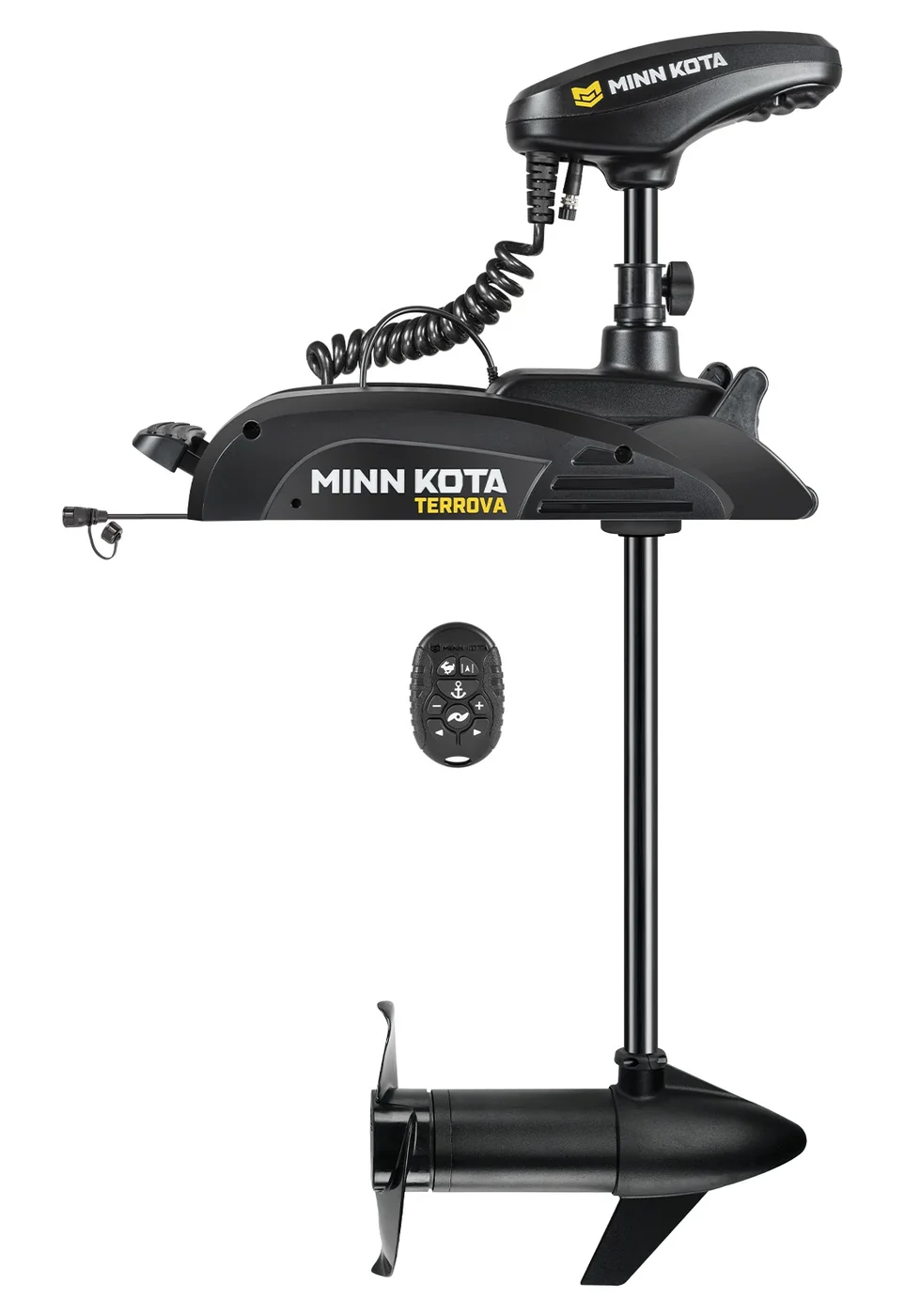
- Minn Kota Terrova 55 lb, Wireless Remote — 55 lb, 12 V
- Minn Kota PowerDrive 70 lb, Micro Remote — 70 lb, 24 V
- Minn Kota Riptide PowerDrive 55 lb, Micro Remote — 55 lb, 12 V
- Minn Kota PowerDrive 70 lb, Dual Spectrum CHIRP, Micro Remote — 70 lb, 24 V
- Minn Kota Riptide Kayak Terrova — 55 lb, 12 V
What it costs in battery
In calm water the motor pulses gently; in wind it may run near full power. Budget capacity as if the motor were running for the time you hold position, and choose batteries with a continuous rating above the motor's maximum draw.
How GPS anchoring works
A GPS-anchoring trolling motor uses a GPS receiver and heading sensor to hold the boat on a waypoint, making constant small corrections with the motor instead of dropping an anchor. It is silent compared with an anchor chain, does not disturb the bottom, and lets you move the 'anchor' point a few feet with a remote or app. Brand names include Spot-Lock (Minn Kota), Anchor Mode (Garmin Force) and similar features on other motors.
| Condition | Effect on battery use |
|---|---|
| Calm water, little wind | Low; the motor makes short, gentle corrections |
| Moderate wind or current | Moderate to high; frequent corrections |
| Strong wind, waves or current | High; the motor may run near full power and drain the bank quickly |
Getting the most from it
- Size the battery bank for anchoring days: a 24 or 36 V lithium bank handles long anchoring sessions far better than lead-acid.
- In strong wind, use a physical anchor or a shallow-water anchor and save the motor's battery.
- Keep the GPS head clear of large metal objects and electronics that can disturb the heading sensor.
- Calibrate the compass after installing or moving the motor.
- Check that the motor works with your chartplotter brand if you want to control it from the display.
See 12V vs 24V vs 36V trolling motors for battery sizing.
Products referenced in this guide
Questions readers ask
How accurate is GPS anchoring on a trolling motor?
Does Spot-Lock drain the battery?
Can GPS anchoring replace a real anchor?
Do I need a 36V trolling motor for GPS anchoring?
Sources
- Minn Kota — Minn Kota Kayak Terrova — product page and specifications Retrieved 23 Sep 2026
- Minn Kota — Minn Kota PowerDrive 55 lb, Dual Spectrum CHIRP, Micro Remote — product page and specifications Retrieved 23 Sep 2026
- Minn Kota — Minn Kota PowerDrive 55 lb, Micro Remote — product page and specifications Retrieved 23 Sep 2026
- Minn Kota — Minn Kota Riptide Kayak Terrova — product page and specifications Retrieved 23 Sep 2026
- Minn Kota — Minn Kota Riptide PowerDrive 55 lb, Micro Remote — product page and specifications Retrieved 23 Sep 2026