
Voltage sets the thrust ceiling and the battery count. 12 V motors top out around 55 lb of thrust on one battery; 24 V reaches 70–80 lb on two; 36 V reaches 112 lb on three — or one high-voltage lithium battery in each case.
- 12 V: small boats, kayaks and jon boats; one battery
- 24 V: roughly 16–19 ft boats; two batteries in series or one 24 V lithium
- 36 V: bass, bay and multi-species boats; three batteries or one 36 V lithium
- Higher voltage runs cooler and longer at the same thrust, but the battery bank costs more
What the range looks like
Across the Minn Kota motors we cover, the thrust available at each voltage and the observed prices are:
| System | Thrust options | Observed price range | Motors |
|---|---|---|---|
| 12 V | 45 lb, 50 lb, 55 lb | $190–$2,500 | 24 |
| 24 V | 70 lb, 80 lb | $670–$3,400 | 26 |
| 36 V | 112 lb | $1,250–$4,000 | 10 |
| 24/36 V | 115 lb | $3,500–$6,400 | 8 |
Price reflects features as much as voltage — GPS Spot-Lock, built-in sonar and power steering add more cost than the voltage step.
Match thrust to the boat
A common rule of thumb is at least 2 lb of thrust per 100 lb of loaded boat weight, with more for wind, current and tidal water. A loaded 18 ft bass boat at 2,500–3,000 lb points to a 36 V, 112 lb motor; a 14 ft aluminium boat under 1,000 lb is well served by 12 V and 45–55 lb.
The battery bank decides the real cost
Going from 12 V to 36 V triples the number of 12 V batteries — weight, space and charging banks all grow. A single 36 V lithium battery removes most of that penalty, but each battery must still meet the motor's maximum draw. See our trolling-motor battery guide.
Quick sizing table
A common rule of thumb is at least 2 lb of thrust for every 100 lb of fully loaded boat weight (boat, motor, fuel, gear and people), with more for wind, current or heavy loads. Voltage follows thrust: higher-thrust motors need more battery voltage to stay efficient.
| Loaded boat weight | Suggested thrust | Typical voltage |
|---|---|---|
| Up to about 1,500 lb | 30 to 55 lb | 12 V (one battery) |
| About 1,500 to 2,500 lb | 55 to 80 lb | 24 V (two batteries in series, or one 24 V lithium) |
| About 2,500 to 4,000 lb | 80 to 112 lb | 36 V (three batteries, or one 36 V lithium) |
| Over 4,000 lb or big water | 112 lb and up | 36 V, often with lithium |
Lead-acid or lithium?
- Lead-acid (AGM or flooded deep-cycle): cheaper to buy, heavy, and usable to about 50% depth of discharge if you want them to last.
- Lithium (LiFePO4): roughly half the weight, usable to near full capacity, holds voltage so thrust stays strong late in the day, and lasts many more cycles; higher purchase price.
- Mixed banks: do not mix battery types, ages or capacities in a series bank.
Products referenced in this guide
Questions readers ask
How much trolling motor thrust do I need?
Is 24V better than 12V for a trolling motor?
Can I run a 24V trolling motor on 12V?
What size battery do I need for a trolling motor?
Sources
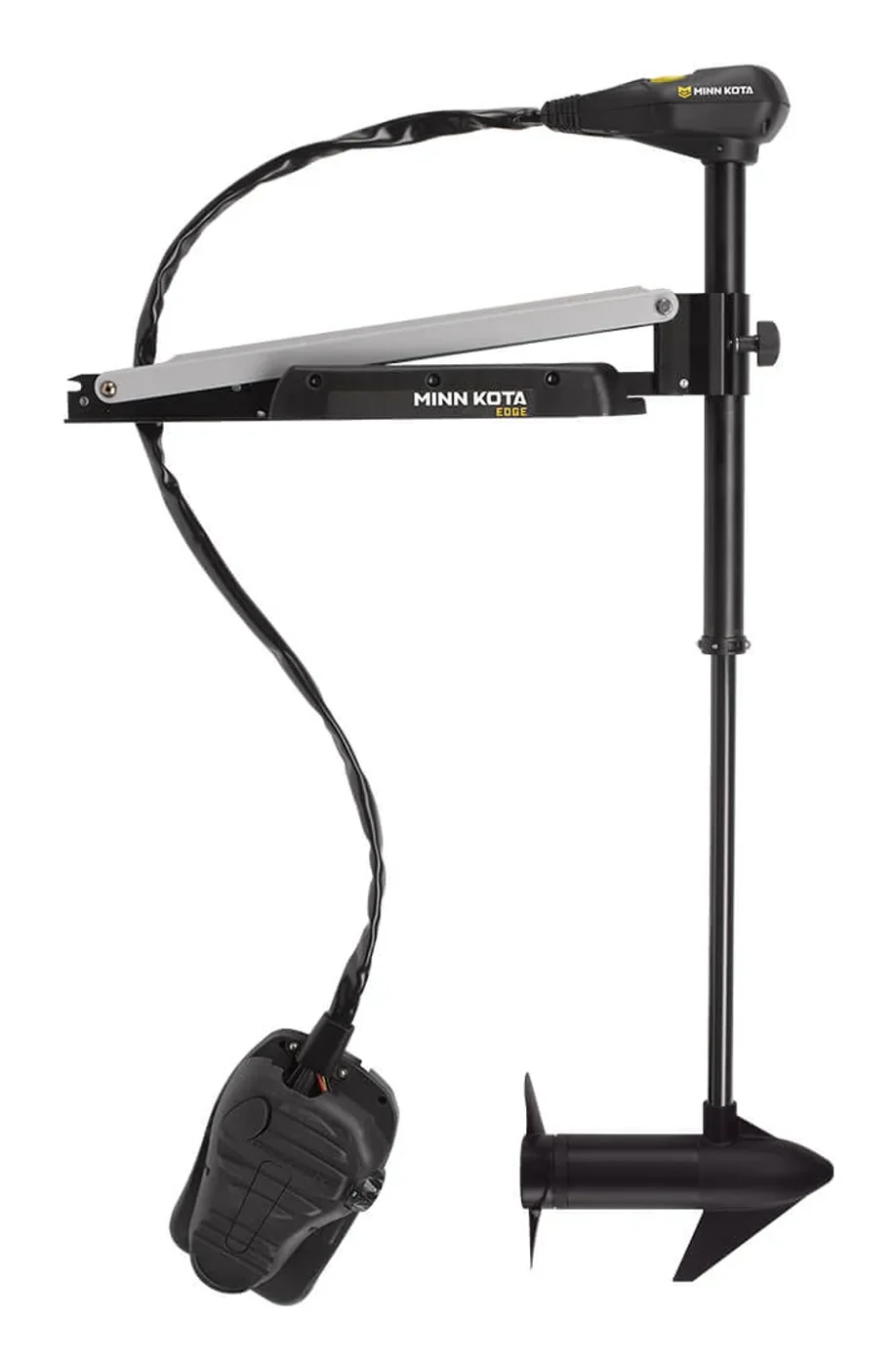
- Minn Kota — Minn Kota Edge 45 lb, Foot Pedal — product page and specifications Retrieved 23 Sep 2026
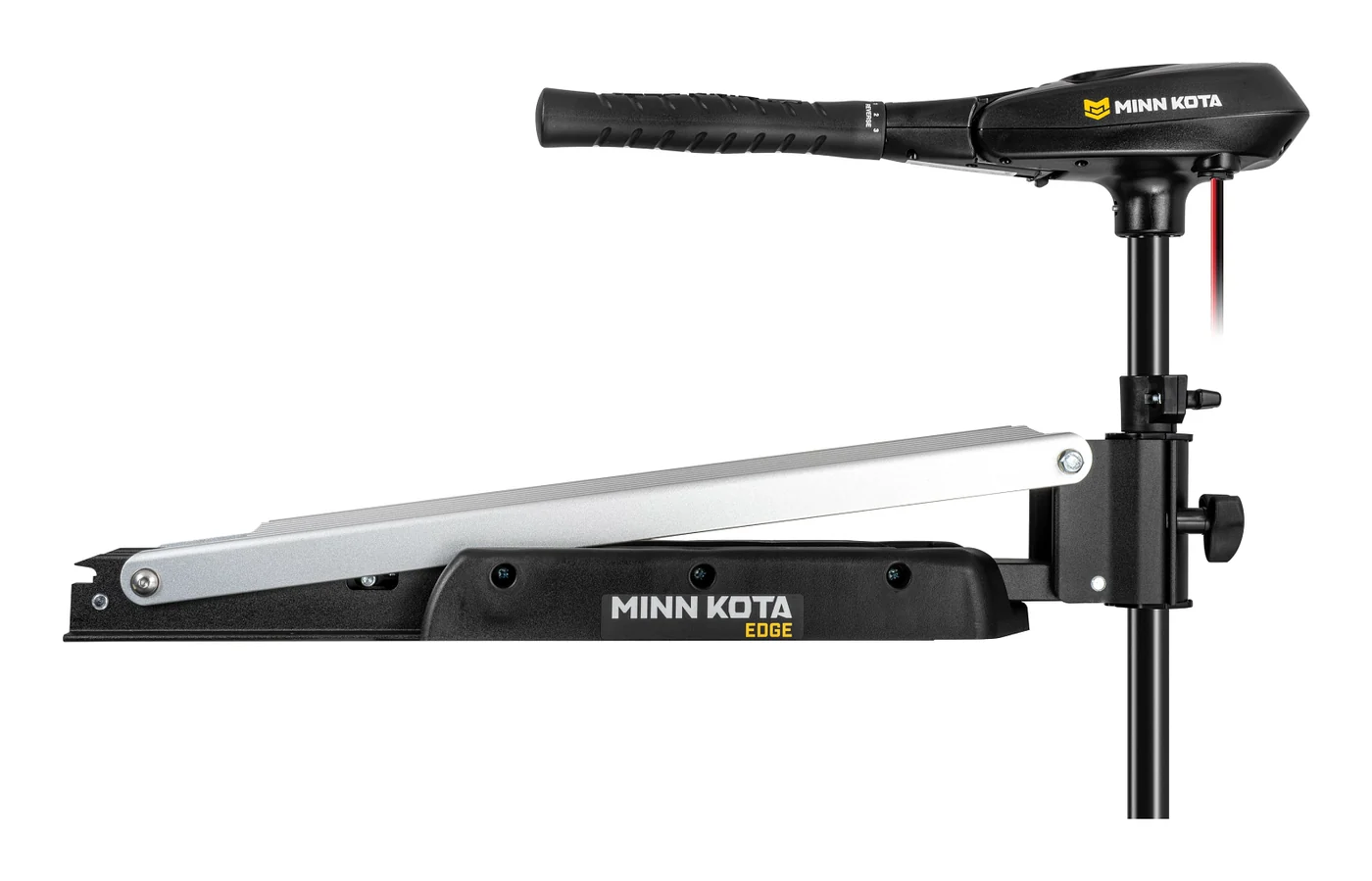
- Minn Kota — Minn Kota Edge 45 lb, Hand Control — product page and specifications Retrieved 23 Sep 2026
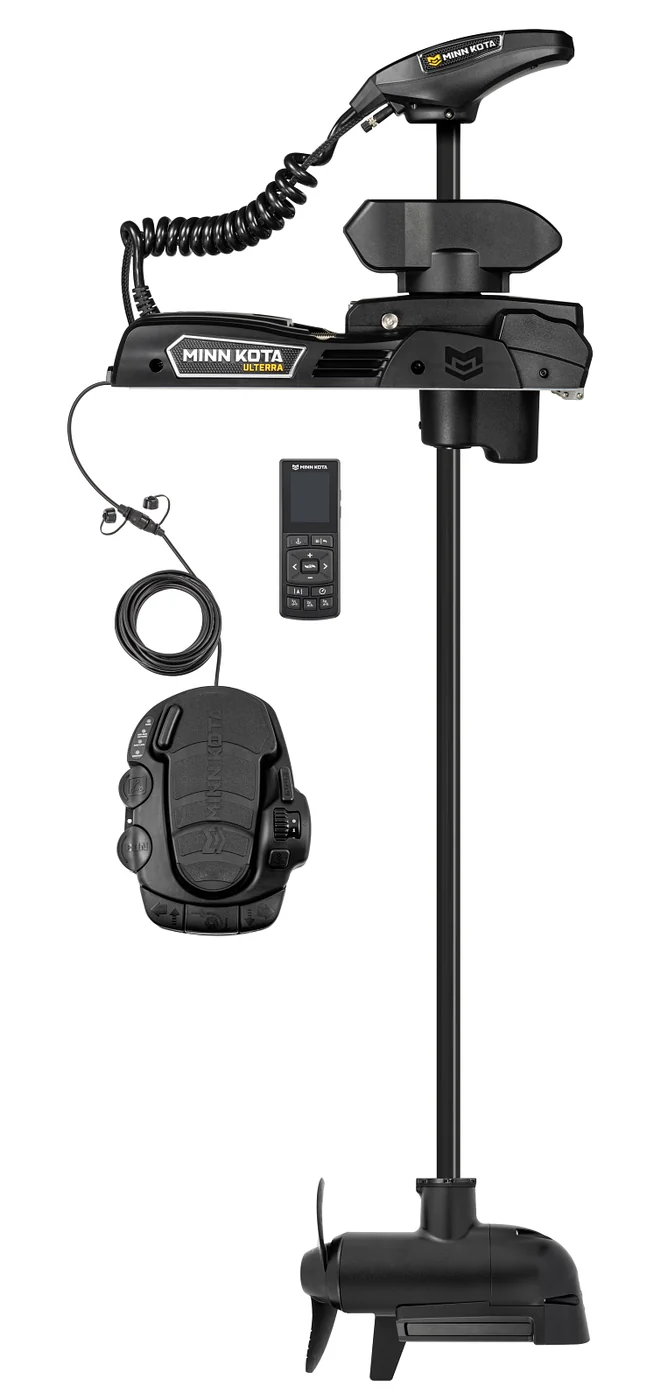
- Minn Kota — Minn Kota Ulterra QUEST 90/115 lb, MEGA Side Imaging — product page and specifications Retrieved 23 Sep 2026
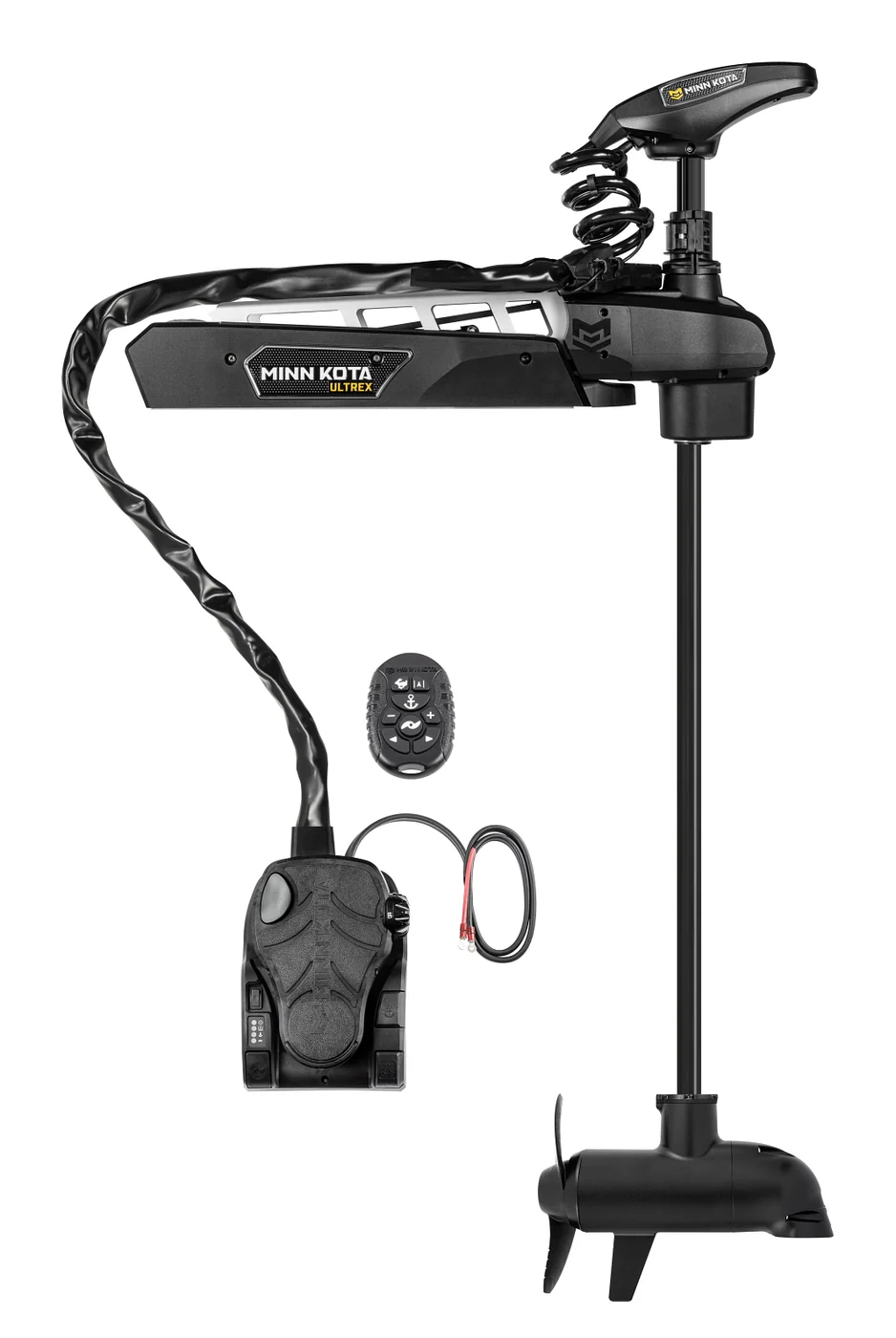
- Minn Kota — Minn Kota Ultrex QUEST 90/115 lb, Dual Spectrum CHIRP — product page and specifications Retrieved 23 Sep 2026