
A portable power station is a sealed battery, inverter and charger in one box. On a small boat or tender without a house bank it is the simplest way to run electronics, a fridge or phones. It is not a substitute for a properly fused, installed marine electrical system, and it must be secured and kept dry.
- Size from daily Wh, like any battery
- Weight rises roughly with capacity — check it before you carry it down a dock
- Charge under way from a 12 V outlet, a DC-DC unit or solar
- Secure it against movement and spray; most are not waterproof
Capacity, weight and value
| Capacity | Stations we cover | Median weight | Median cost per kWh |
|---|---|---|---|
| Under 500 Wh | 11 | 8.2 lb | $868/kWh |
| 500–1,000 Wh | 6 | 20.9 lb | $554/kWh |
| 1,000–2,000 Wh | 13 | 32.0 lb | $466/kWh |
| 2,000 Wh and up | 15 | 79.0 lb | $446/kWh |
A 12 V compressor fridge averaging 2 A uses roughly 600 Wh a day, so a 1–2 kWh station covers a weekend with modest charging.
Charging on board
Most stations accept solar input through a built-in MPPT controller and car-socket charging. Some makers sell DC-DC alternator chargers for their stations — Jackery's is covered in our catalog.
Where not to use one
Keep them out of the bilge and away from spray; few carry any ingress rating. They should not feed the boat's DC distribution or replace bilge-pump power — those loads belong on an installed, fused battery system.
Sizing a power station for a day or a weekend
Add up what you will run, multiply each device's watts by the hours you will use it, and total the watt-hours. Then add about 20% for inverter losses and margin.
| Device | Typical draw | Daily use | Watt-hours |
|---|---|---|---|
| 12 V cooler or fridge (cycling) | About 40 to 60 W running | About 8 h of compressor time | About 320 to 480 Wh |
| Fish finder | About 15 W | 8 h | About 120 Wh |
| Phone and tablet charging | About 10 to 20 W | 4 h | About 40 to 80 Wh |
| LED cabin lights | About 10 W | 4 h | About 40 Wh |
Safety on board
- Keep it dry: most power stations are not waterproof. Store them in a cabin or a dry locker.
- Secure it so it cannot slide or fall in a seaway.
- Keep it away from fuel vapors and engine compartments.
- Prefer LiFePO4 models for more cycles and thermal stability.
- Do not connect a power station directly into the boat's DC system unless the maker supports it; use it as a standalone source.
Add charging capacity with flexible solar panels for boats, and size the system with how much solar does a boat need.
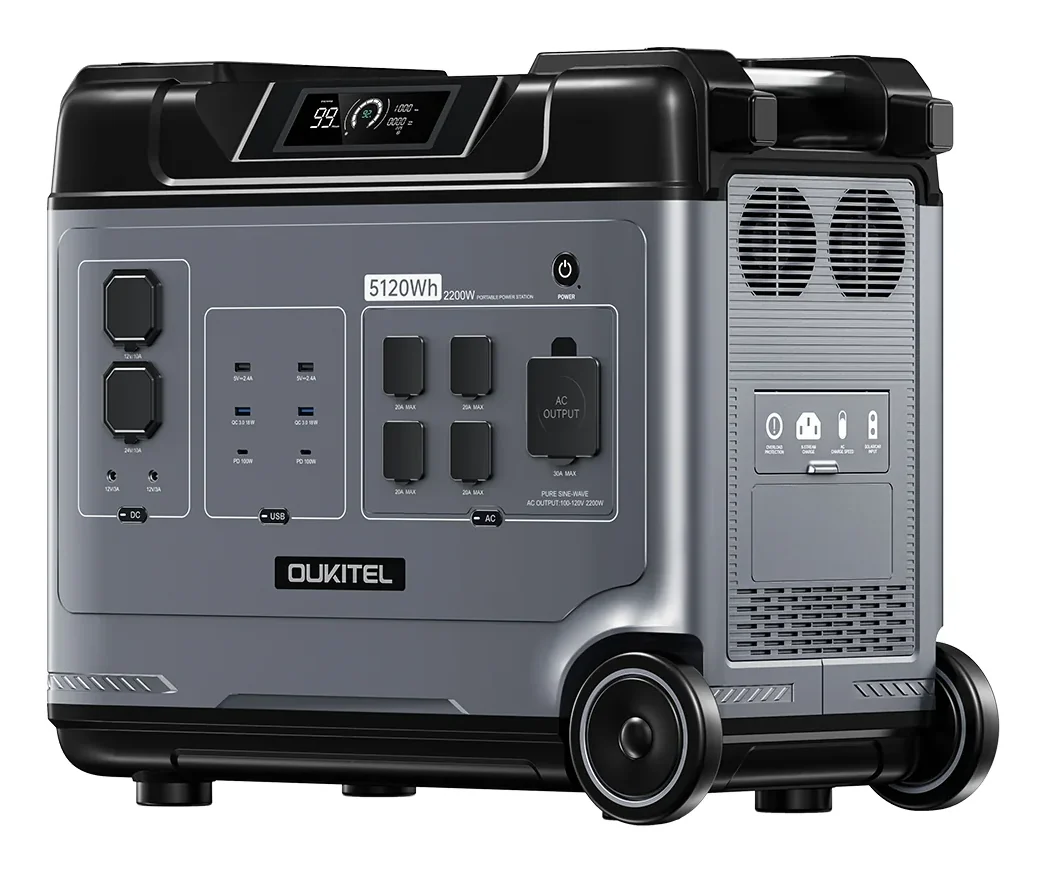
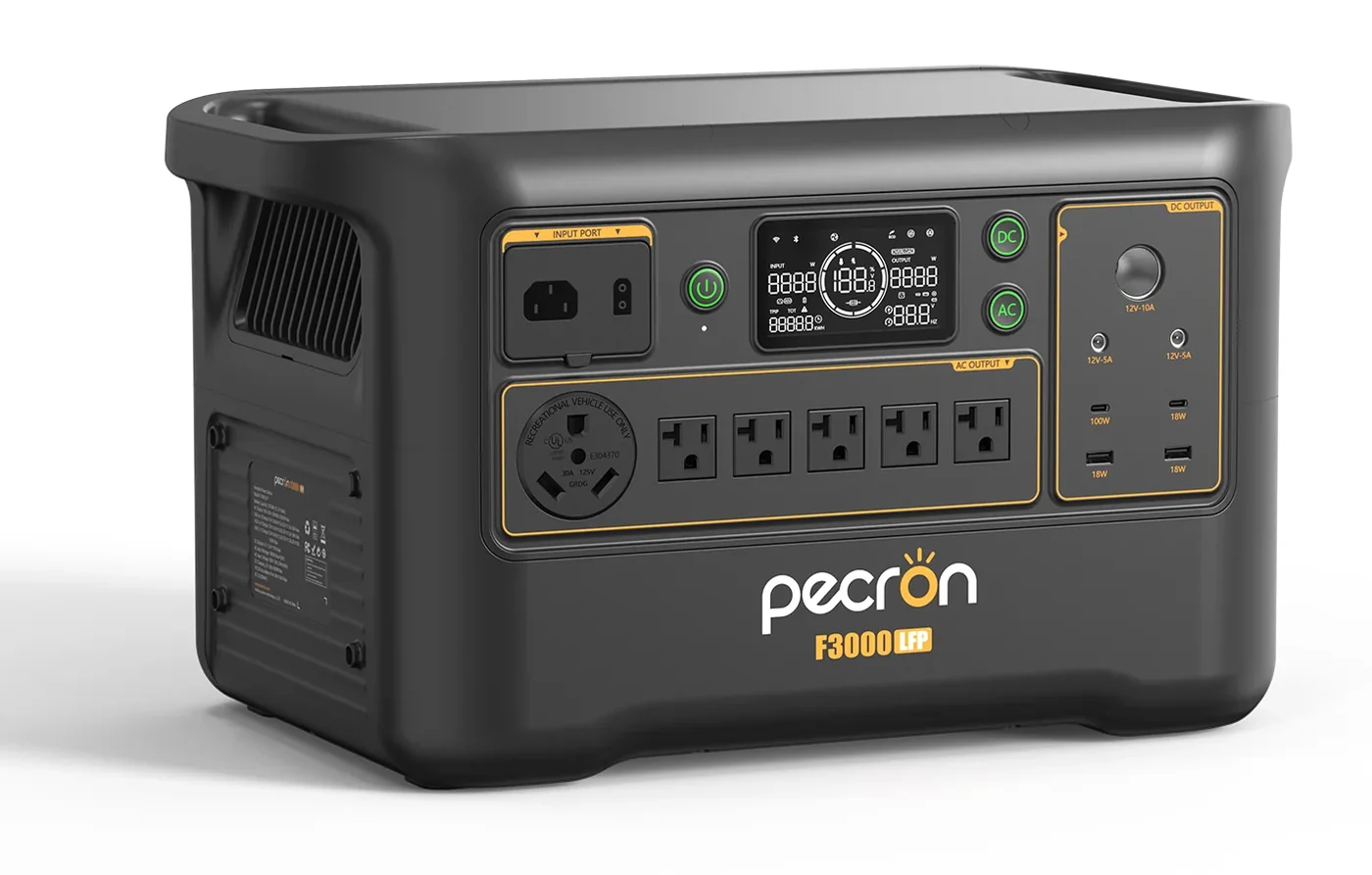
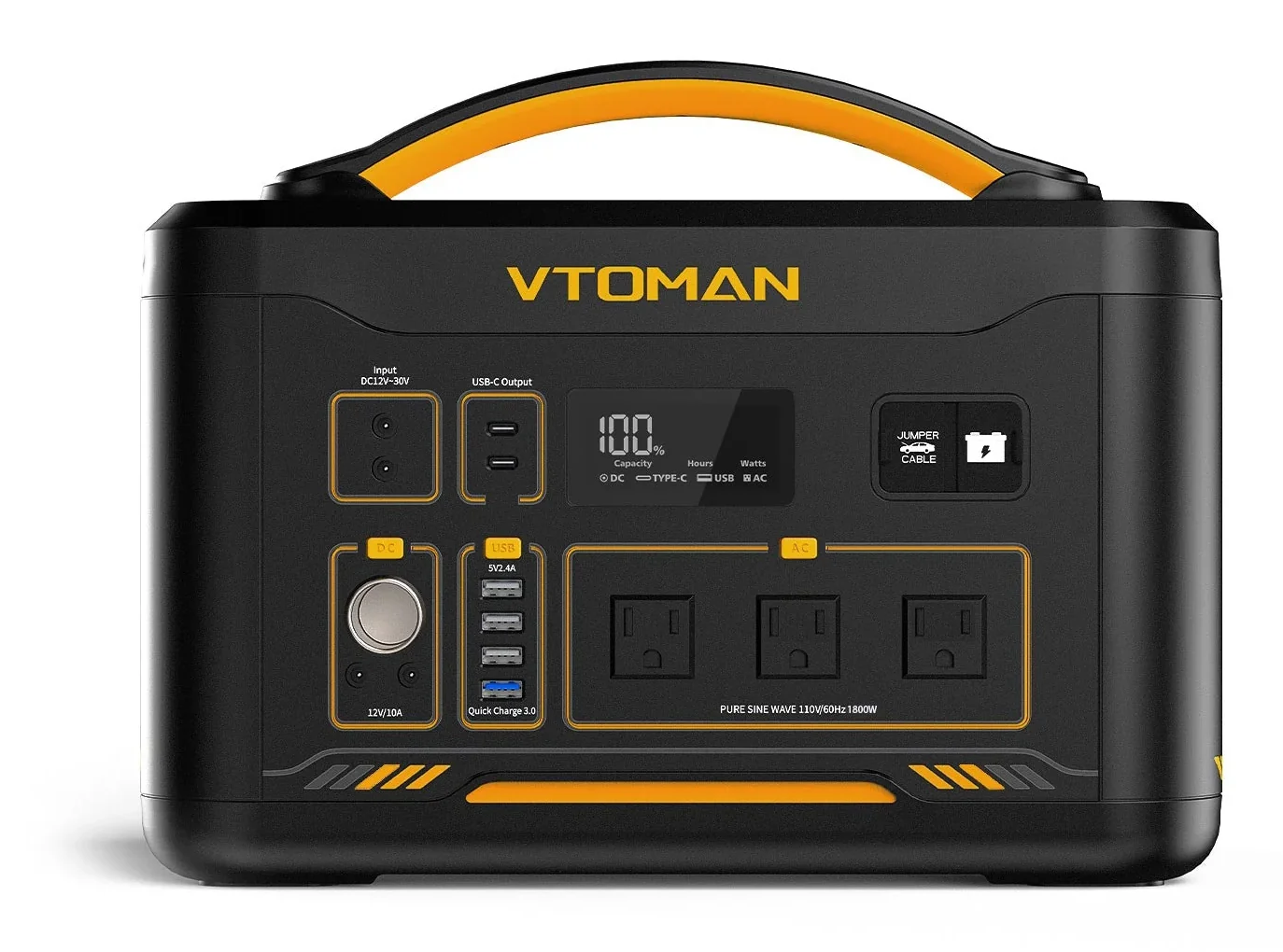
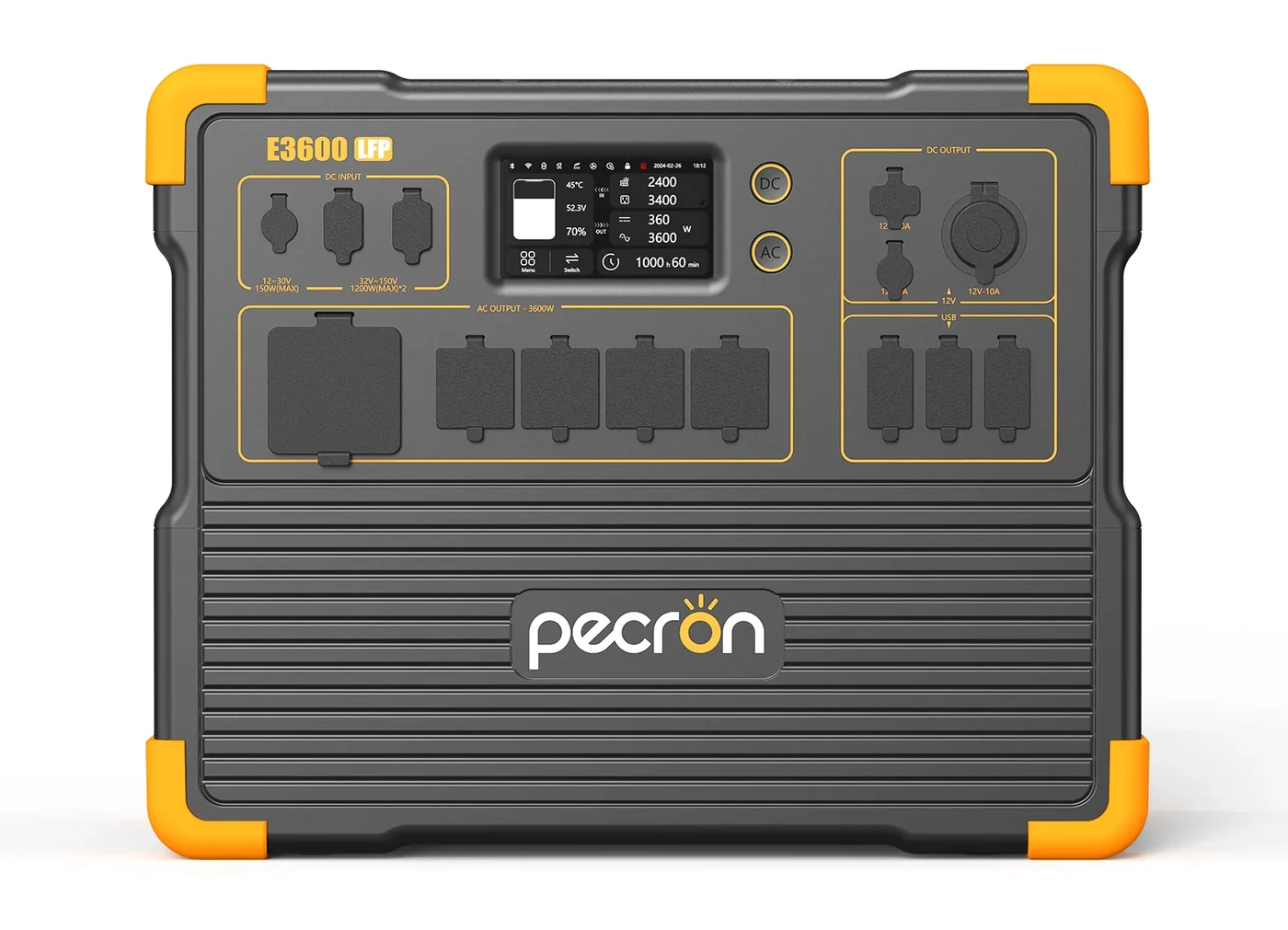
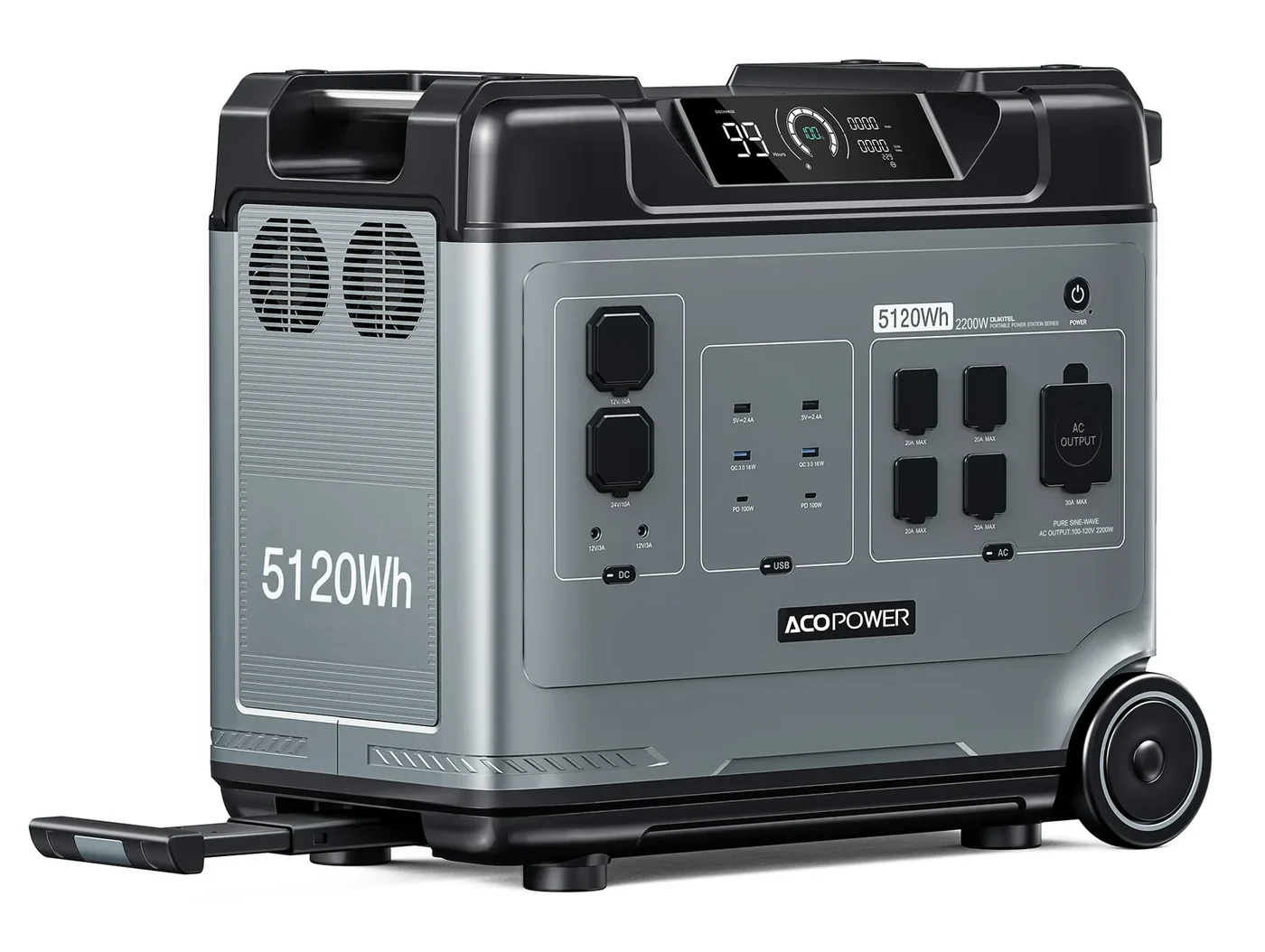
Products referenced in this guide
Questions readers ask
Can I use a portable power station on a boat?
What size power station do I need for a boat?
Can I charge a power station from solar on a boat?
Is a LiFePO4 power station better for boats?
Sources
- OUKITEL — OUKITEL P5000 Portable Power Station — product page and specifications Retrieved 24 Sep 2026
- PECRON — PECRON F3000LFP Portable Power Station — product page and specifications Retrieved 24 Sep 2026
- VTOMAN — VTOMAN Jump 1800 V-BEYOND Portable Power Station — product page and specifications Retrieved 24 Sep 2026
- PECRON — PECRON E3600LFP Portable Power Station — product page and specifications Retrieved 24 Sep 2026
- ACOPOWER — ACOPOWER P5000 Portable Power Station — product page and specifications Retrieved 24 Sep 2026